

AI Could End the Menopause Doctor Hopping Crisis
Medical leaders say machine learning can link disconnected specialist records to cut years off diagnosis timelines for menopause and autoimmune diseases.
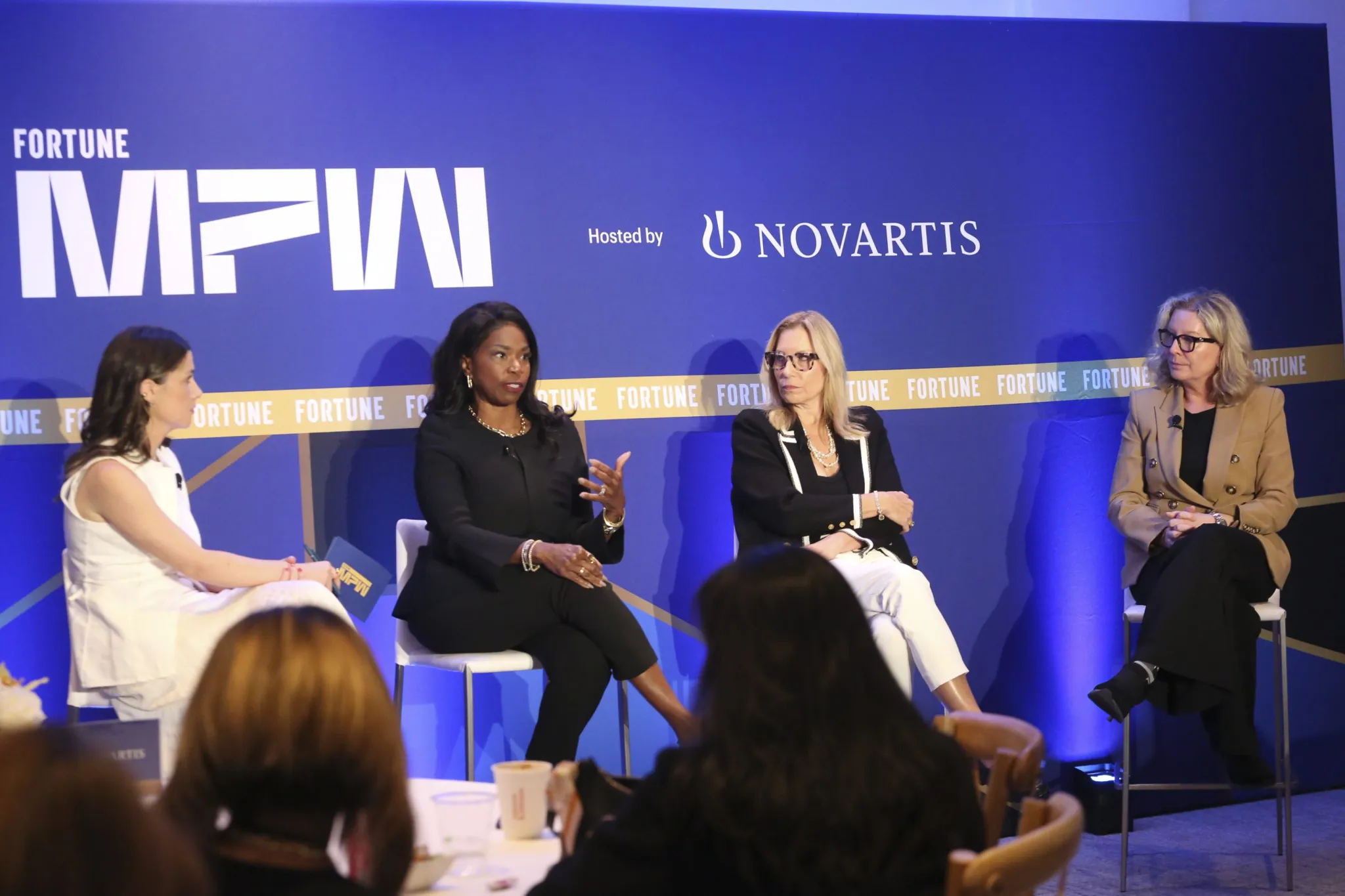
Women navigating perimenopause and menopause routinely cycle through five or six different physicians before their symptoms are properly addressed, a fragmented care model that medical leaders say artificial intelligence is now positioned to dismantle.
The diagnostic odyssey stems from a health care system built around isolated specialties rather than interconnected symptom patterns. Hot flashes, joint stiffness, sleep disruption, and mood changes often trigger separate referrals to endocrinologists, rheumatologists, sleep specialists, and psychiatrists. Because electronic health records frequently fail to communicate across different provider networks, no single clinician sees the complete clinical picture.
Artificial intelligence offers a mechanism to aggregate these disparate data points. Pharmaceutical executives and women’s health advocates detailed this week how machine learning models can analyze unconnected medical histories to identify underlying conditions much earlier in the disease progression. The approach mirrors broader industry efforts to deploy predictive analytics for complex, multi-system diseases where traditional referral pathways cause severe delays.


This fragmentation extends well beyond midlife hormonal transitions. Autoimmune diseases present a nearly identical structural failure. Women account for up to 80 percent of patients with certain autoimmune disorders, yet conditions like Sjögren’s disease carry an average diagnostic delay of four years. Patients typically visit dermatologists, rheumatologists, and primary care doctors who treat individual manifestations without recognizing the systemic root cause. Novartis, which maintains a research pipeline targeting Sjögren’s disease and other immune-mediated conditions, has identified cross-specialty data integration as a primary commercial and clinical objective.
The gap begins long before a patient enters an exam room. Medical schools dedicate roughly two hours of curriculum to women’s midlife health, leaving newly minted obstetrician-gynecologists underprepared to manage the systemic physiological shifts triggered by estrogen decline. To address this deficit, the Institute Advancing Women’s Health is partnering with a medical certification company to build AI-generated continuing medical education modules. These programs aim to deliver evidence-based training to practicing clinicians while simultaneously equipping patients with specific questions to ask during appointments.
Consumer-facing AI tools are already altering how patients advocate for themselves in emergency departments and urgent care clinics. By inputting a constellation of seemingly unrelated symptoms into large language models, patients can generate differential diagnoses to discuss with treating physicians. While these tools do not replace clinical judgment, they shift the dynamic from passive reception to active collaboration.
The rapid proliferation of digital menopause platforms requires scrutiny, however. GoodRx CEO Wendy Barnes cautioned that any new midlife health service must be anchored in clinical evidence and staffed by licensed practitioners capable of overriding algorithmic recommendations. Fully automated, AI-only care models lack the regulatory oversight and nuanced judgment required for prescribing hormone replacement therapy or managing cardiovascular risks associated with menopause.
Cross-sector partnerships involving government agencies, technology firms, and pharmaceutical manufacturers are currently being structured to standardize how AI integrates into women’s preventive care workflows.









