Anthropic CEO Spends 40% of Time on Culture Ahead of $2T IPO
CEO Prioritizes Internal Alignment Over Product Details Before Public Listing
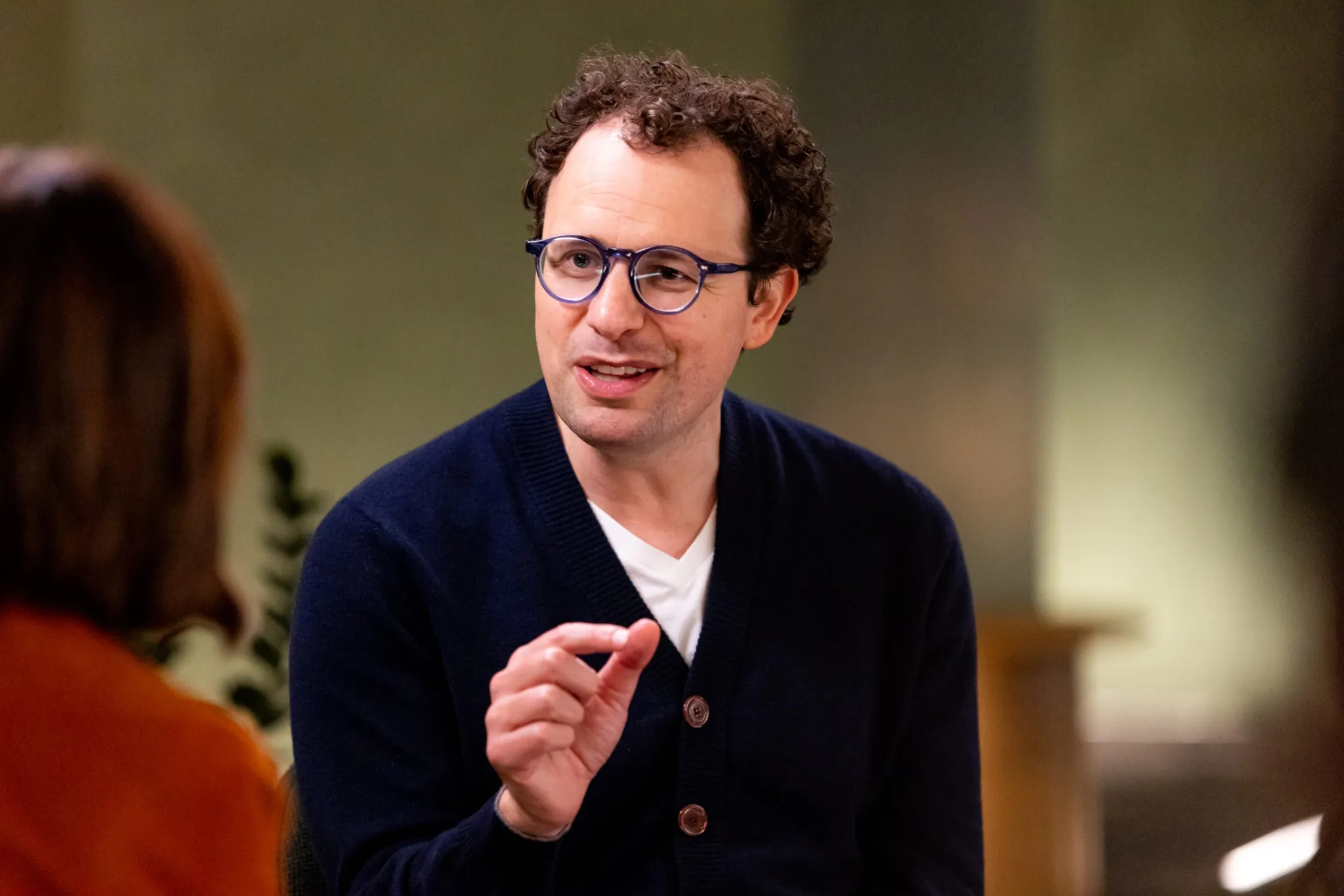
Dario Amodei is prioritizing internal cohesion over product iteration as Anthropic prepares for a historic public listing. The CEO revealed that nearly half his daily schedule is dedicated to maintaining company culture, a strategy he deems essential for managing a workforce of 3,500 employees.
This focus comes as the artificial intelligence developer reports a 50% jump in third-quarter revenue to $16.8 billion and claims adjusted profitability. Analysts project an initial public offering as early as next month, with valuations potentially reaching $2 trillion—eclipsing SpaceX’s recent $1.77 trillion debut.
Amodei argues that technical oversight has become impractical at this scale. Instead, he concentrates on ensuring staff alignment with the firm’s mission, contrasting his approach with competitors where internal factions reportedly work against one another. “I think we’ve done an extraordinarily good job… making everyone feel the mission,” Amodei stated during a February interview on the Dwarkesh Podcast.


Central to this cultural maintenance is the “DVQ” (Dario Vision Quest), a biweekly all-hands meeting. Amodei spends an hour addressing product strategy, geopolitics, and industry dynamics using brief documents. He rejects corporate euphemisms, favoring direct answers in these sessions and via active Slack channels.
The leadership style mirrors Ray Dalio’s radical transparency, though critics warn such openness can inhibit employee candor. Tensions remain high following Anthropic’s update to its Responsible Scaling Policy. The company removed its pledge to halt AI training without guaranteed safety measures, citing competitive pressures and regulatory gaps. This shift drew criticism from observers who view it as a departure from the safety-first identity foundational to the startup.
Despite external pressure to outperform rivals like OpenAI, Amodei insists on unfiltered internal communication. He maintains that trust-based hiring allows for total transparency regarding operational challenges and strategic direction.