Porsche Mission S brings back keys, buttons — no screen
Manual transmission and no touchscreen could return to Porsche hypercar
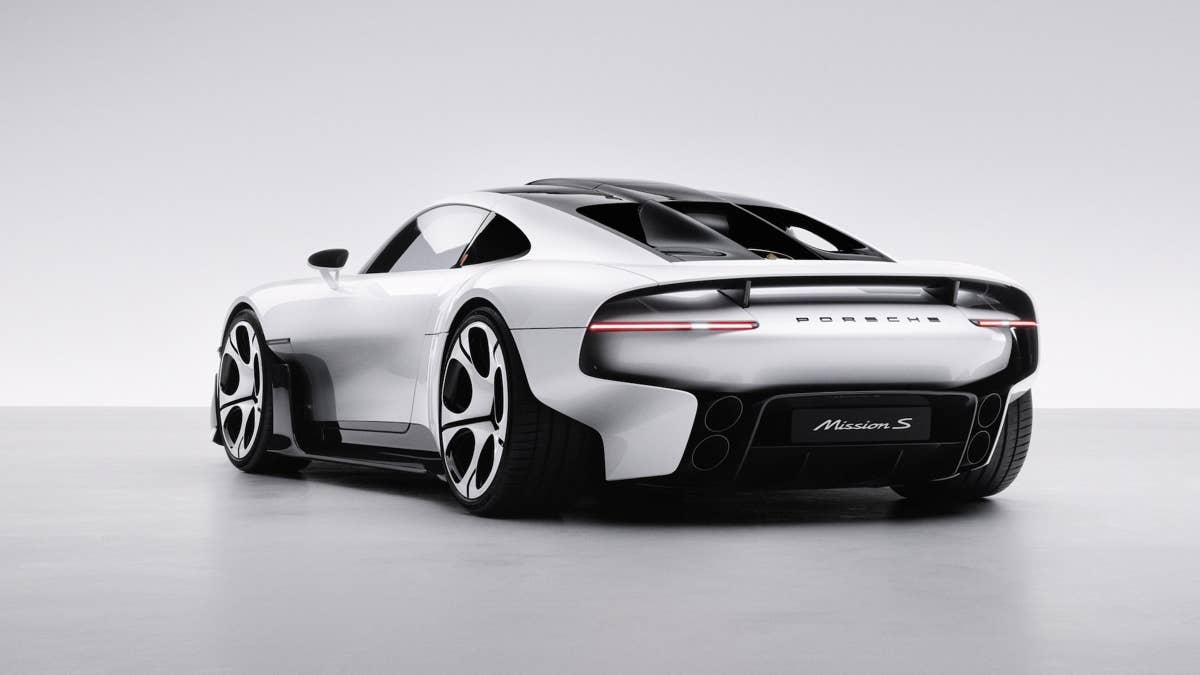
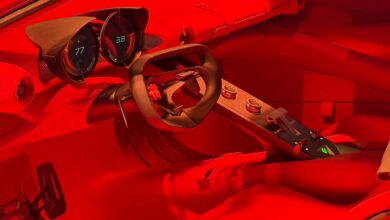
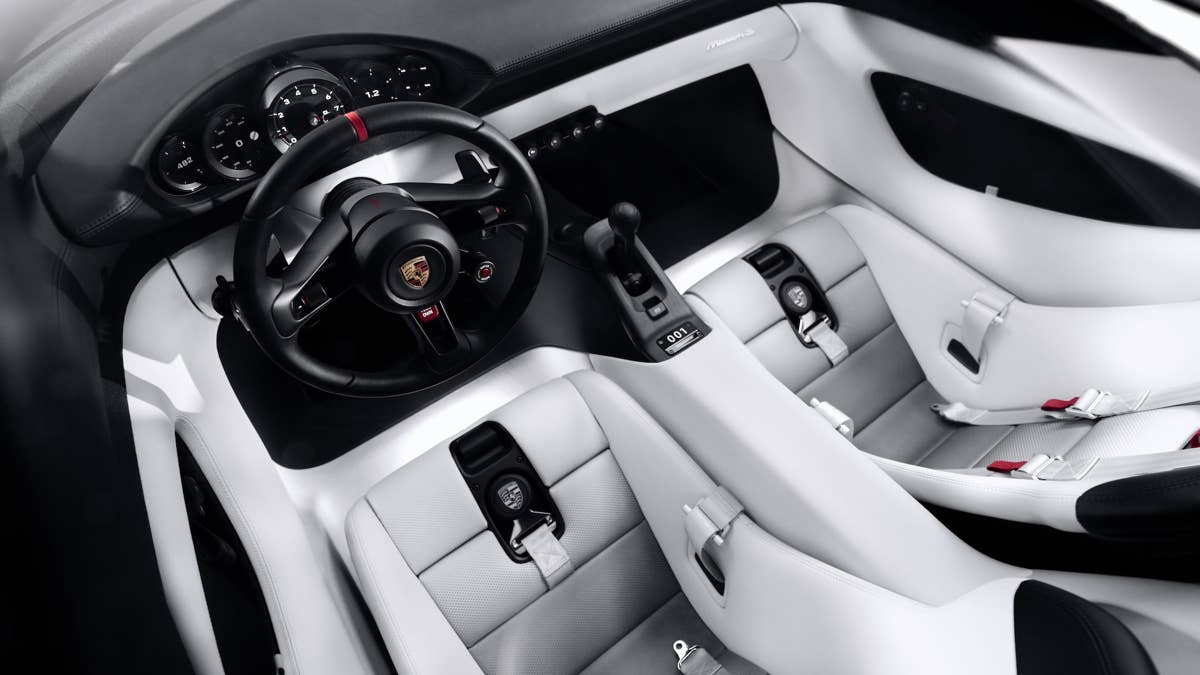
Porsche has unveiled the Mission S, a functional prototype that strips away the touchscreen and menu-bound controls that now dominate the industry, replacing them with a physical ignition key, a ring of buttons, and a dial for drive modes.
The Stuttgart firm’s approach marks a visible shift away from the software-defined vehicle. While other manufacturers continue pushing screens deeper into dashboards, Porsche’s latest prototype returns to tactile inputs: a mechanical key starts the car, a MagSafe phone holder serves as the infotainment anchor, and an “On Your Own” button disables every driver aid at the push of a switch.
The Mission S arrives with no launch date for a production version and no official powertrain numbers, though videos of its startup sequence show at least eight cylinders beneath the clamshell hood. Whether it runs on combustion, electricity, or a combination of both remains undefined — Porsche says customer demand will decide.
Michael Leiters, Porsche CEO, told Road and Track that “customer demand will define what we build on this platform.” That statement is more than corporate hedging. The prototype was engineered to accept either a full internal-combustion setup or an electrified one, a flexibility that has become rare as platforms harden around a single architecture.
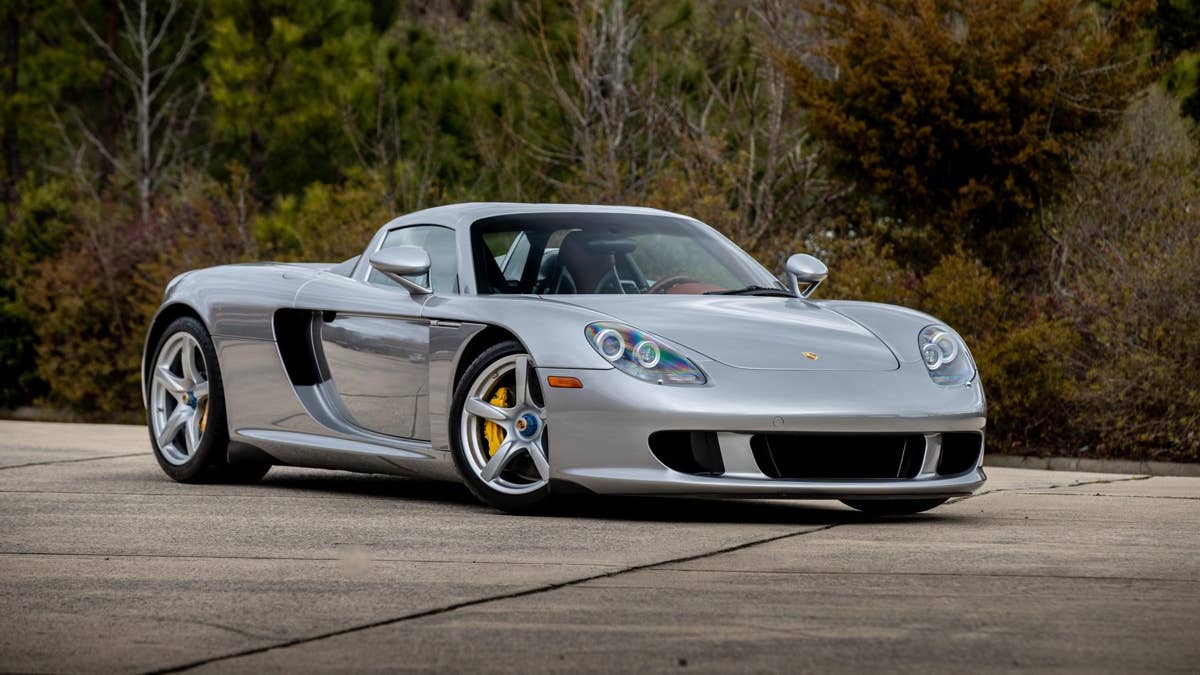
If the company delivers a manual transmission, as Leiters confirmed is compatible, the Mission S would become the first Porsche hypercar offered with a stick shift in roughly two decades — a gap stretching back past the Carrera GT era. The prototype’s mid-engine layout and analog emphasis point more toward that earlier icon than toward a successor to the 918 Spyder, which pursued hybrid efficiency over mechanical simplicity.
The timing is notable. The Mission S was revealed on the same day Tesla showed its Roadster, which remains a concept without a confirmed production vehicle — a deliberate contrast in how two companies define the next generation of performance cars.
Demand for a no-compromise analog hypercar has proven fickle in the past. Ferrari’s F40 and Porsche’s own Carrera GT sold out almost instantly, but the 918 Spyder’s success depended on hybrid assistance. How many buyers will pay premium prices for eight cylinders, a clutch pedal, and no menu screen is the question Porsche is now waiting for the market to answer.