Alberta Separatists Pitched Independence to U.S. Officials
Independence leaders pitched a sovereign Alberta directly to the State Department ahead of Monday's historic ballot.
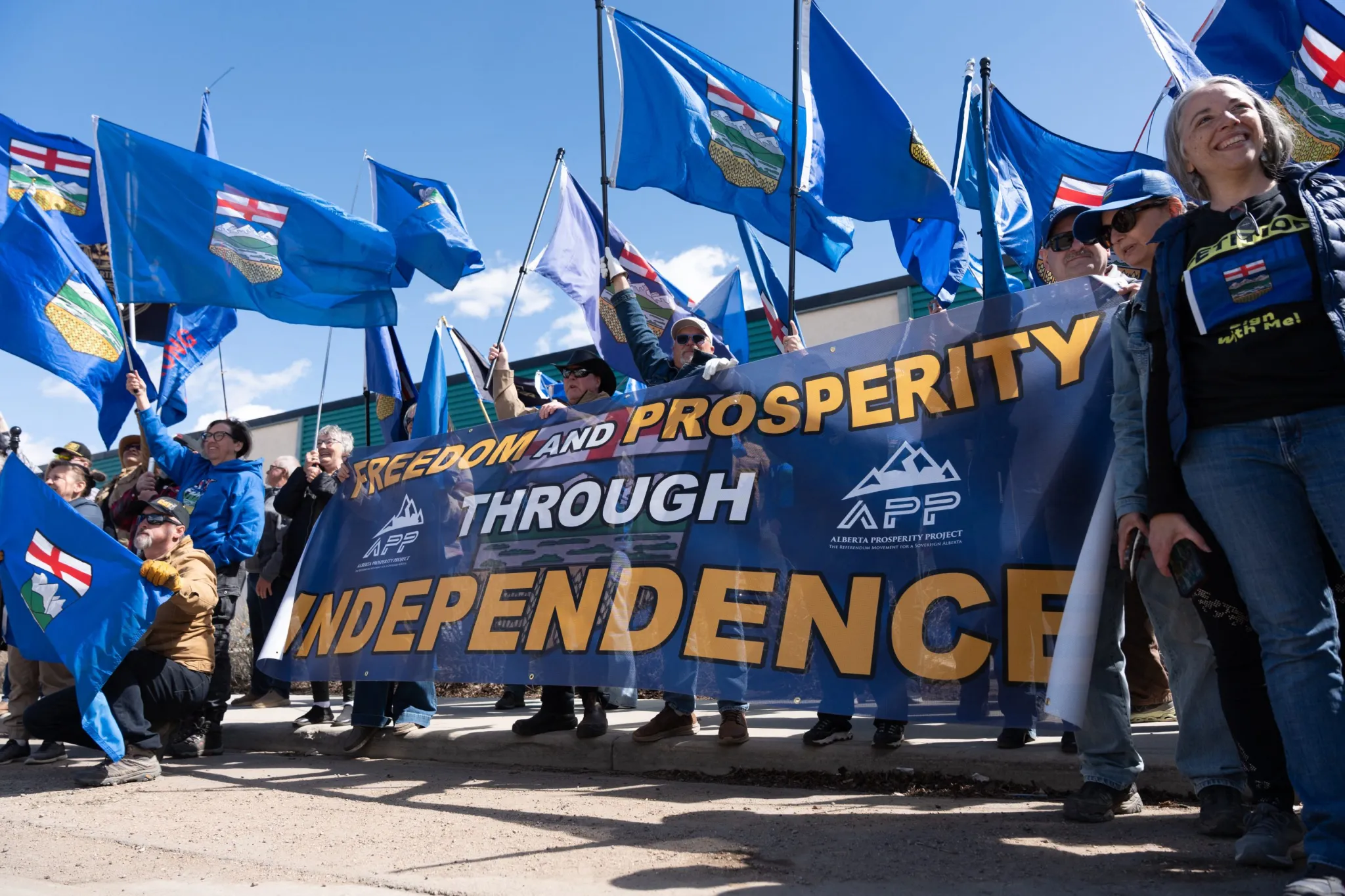
Three meetings with the U.S. State Department. A written proposal detailing what a sovereign Alberta could offer Washington. Pipeline routes sketched out for American diplomats. The campaign to fracture Canada did not start at a ballot box in Edmonton or Calgary. It started in Washington, D.C.
Before voters in Canada’s oil-producing heartland head to the polls on Oct. 19 to weigh initiating a separation referendum, independence advocates had already spent months lobbying a foreign government. Jeff Rath, a leader of the separatist movement, confirmed he and other organizers presented U.S. officials with a formal document outlining the strategic value of an independent Alberta. The pitch included routing crude through the United States to the Pacific Ocean.
Rath claimed individuals involved in those sessions carried the discussions directly to the White House. The State Department offered a standard diplomatic deflection, noting it regularly meets with a wide range of representatives and that the vote is a decision for Albertans.

Former Alberta Premier Jason Kenney called the outreach “bonkers.” He pointed out that activists carrying zero democratic mandate were negotiating the geopolitical status of a nonexistent country with a foreign power.
The economics driving the Washington visits are stark. Alberta ships roughly 90 percent of its crude oil exports south across the border. The province holds the world’s fourth-largest proven oil reserves. That geological reality makes any talk of sovereignty inseparable from American energy security. U.S. Treasury Secretary Scott Bessent recently referred to Alberta as “a natural partner,” a phrase that landed heavily in Canadian political circles.
Monday’s ballot does not authorize secession. It asks whether the province should remain in Canada or trigger the legal mechanism required to hold a future independence referendum. Recent polling placed support for starting that process at 23 percent.
Alberta Premier Danielle Smith, who authorized the plebiscite while publicly backing continued union with Canada, called that 23 percent figure “still too high for my liking.”
Historically, separatist parties in Alberta scraped together 1 or 2 percent of the vote. Decades of friction over federal energy policy—directed first at Pierre Trudeau and later his son Justin—generated intense anger but rarely translated into organized demands for a new border. Justin Trudeau’s carbon tax accelerated provincial resentment without breaking the ceiling on outright separatism.
The infrastructure changed in 2022. What began as a trucker blockade against cross-border vaccine mandates mutated into a permanent political apparatus. Pandemic restrictions radicalized a specific cohort of activists who subsequently built fundraising networks, hired professional campaign operatives, and established lasting organizations.
Kenney, who founded the United Conservative Party before Smith ousted him in 2022 by appealing to members furious over pandemic lockdowns, noted substantial overlap between the current separatist leadership and promoters of Russian President Vladimir Putin. He also linked core convoy organizers to supporters of the American MAGA movement who attempted to infiltrate provincial conservative politics.
Keith Wilson served as lead counsel for the 2022 convoy organizers. He now leads part of the independence push. Wilson framed the upcoming vote as a tool to extract structural concessions from Ottawa, stating he would accept major changes to Alberta’s constitutional relationship with the federal government short of full sovereignty. “It’s called leverage. It’s called negotiation,” Wilson said.
Prime Minister Mark Carney has complicated the separatist math. Carney made expanding Alberta oil access to new markets a national priority, explicitly backing a proposed pipeline to the West Coast. His opposition to U.S. President Donald Trump’s trade war and annexation rhetoric resonated in conservative districts where federal Liberals have been politically toxic for half a century. Rath acknowledged Carney as a “formidable opponent” and said he would be thrilled if the Yes side cleared 30 percent.
Carney addressed the fracture lines directly. “Canada is facing real threats to our economy, to our security, to our way of life,” he said. “We have to be strong and we are stronger together.”
Quebec returned the separatist Parti Quebecois to power on Oct. 5. Support for independence there hovers near 30 percent, though the party leader stated no referendum will occur while Trump occupies the Oval Office. Quebec voters rejected secession twice, the last time by fewer than 60,000 votes in 1995.