Jerry Jones’ $17B Empire Built on Failure, Not Wins
How the Cowboys Turned Losing Seasons Into Record Profits
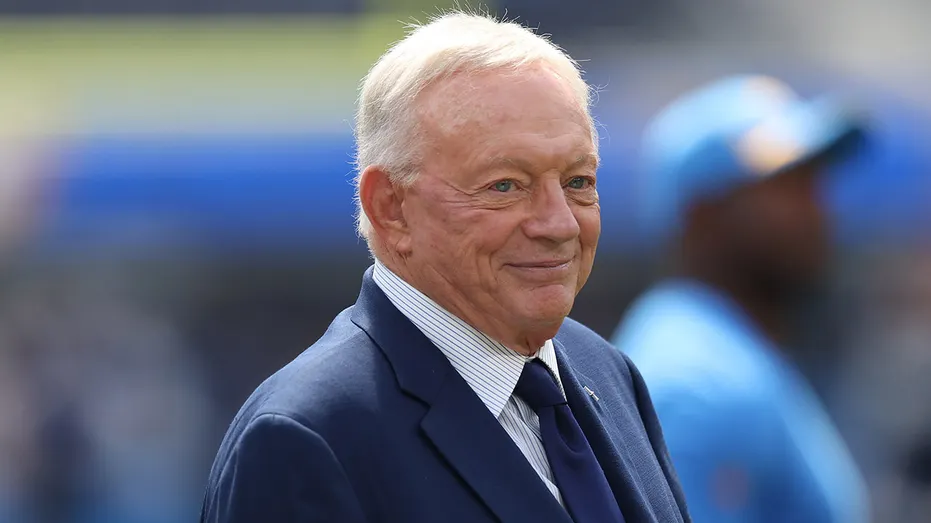
Dallas Cowboys owner Jerry Jones has engineered a financial paradox. While the team languishes with a 2-3 record and faces another likely playoff miss, his franchise holds the title of the world’s most valuable sports entity at $17 billion. This valuation defies traditional athletic success metrics. It relies instead on a strategy where mediocrity fuels brand relevance.
The recent loss to the winless Tampa Bay Buccaneers triggered viral fan outrage. One supporter destroyed a television set under a truck tire. Jones would likely view such moments as marketing gold. The narrative of “Will they finally win?” drives merchandise sales and viewership regardless of on-field performance. For three decades, the answer has been no. Yet the revenue keeps climbing.
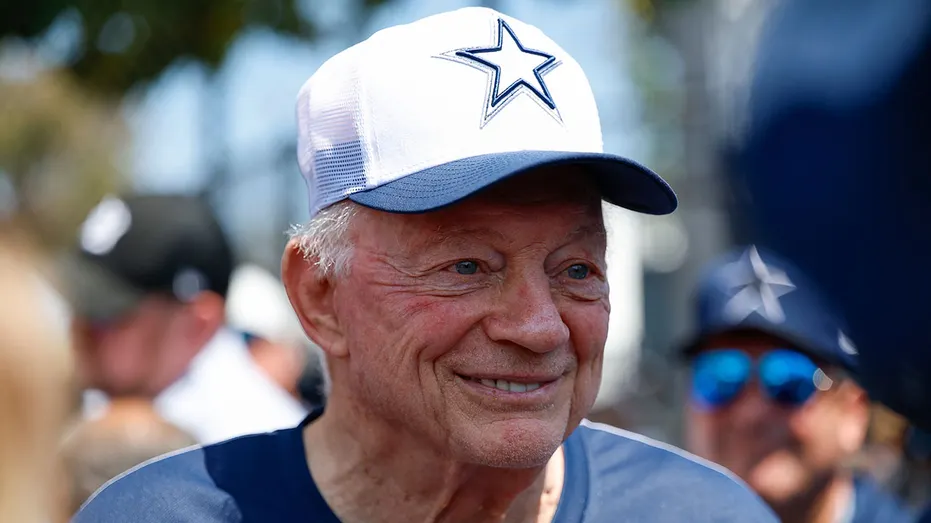


Jones serves as both owner and general manager. No other NFL figure holds this dual role for so long. His tenure exceeds the next longest GM by over ten years. Critics argue he cannot be fired. He chooses not to. By retaining control, Jones ensures the team remains in headlines. He trades stability for attention. In 2014, he explicitly stated that drafting Johnny Manziel would guarantee “relevance for 10 years.” He chose Zack Martin instead. Martin brought actual wins. Manziel brought chaos. Jones preferred the latter conceptually, even if he didn’t draft him.
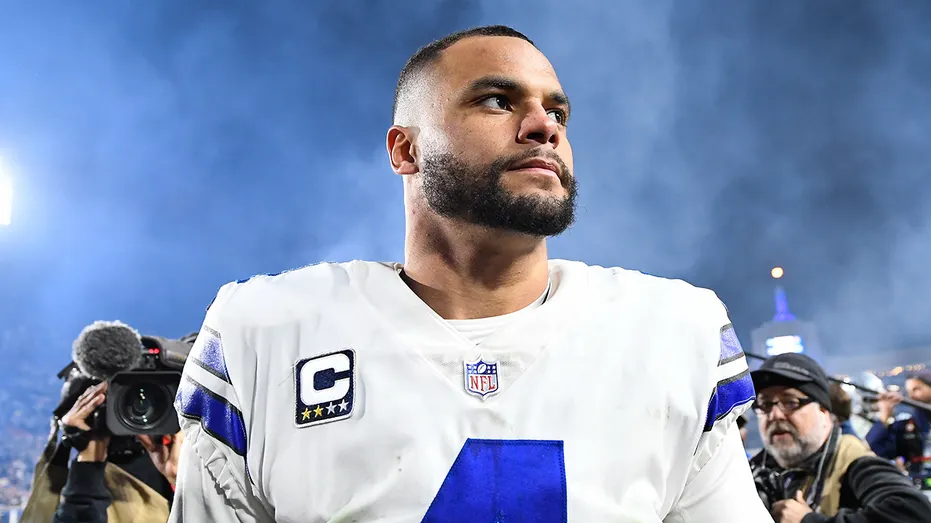
Recent roster moves highlight this priority. Jones traded away elite edge rusher Micah Parsons rather than meet his salary demands. He then spent more on replacements who produced less. He signed Dak Prescott to a massive contract despite poor postseason results. He re-signed Ezekiel Elliott for sentimental value over strategic fit. These decisions do not build championship teams. They build narrative arcs. A lopsided offense that scores but fails to defend keeps fans engaged in the hope of a turnaround.
The financial upside is clear. Forbes reports the Cowboys generate $1.28 billion in annual revenue. Their operating income sits near $677 million. This outpaces every other NFL franchise, including those with winning records. AT&T Stadium hosts major concerts and World Cup matches. It functions as a global event venue, not just a football field. The brand assets—the star, the cheerleaders, the silver helmets—hold value independent of the game’s outcome.
Losing seasons improve draft position. They extend the drought storyline. They keep the conversation alive. Jones understands that being a flop as a GM is a feature of the business model, not a bug. The franchise monetizes hope. Fans buy into the possibility of a Super Bowl return. The team provides just enough competitiveness to sustain interest, but rarely enough to win. This balance maximizes commercial returns while minimizing the risk of a dynasty ending the hype cycle.

America’s Team does not need Lombardi trophies to enrich its owner. The current structure incentivizes sustained contention without resolution. As long as the question remains unanswered, the money flows. Jones grins while fans shop for new televisions.