

How Nokia Built the Mobile Phone Era—and Lost It
From the Nokia 5110 and Snake to the 3310, 1100, Symbian, and the company’s smartphone collapse
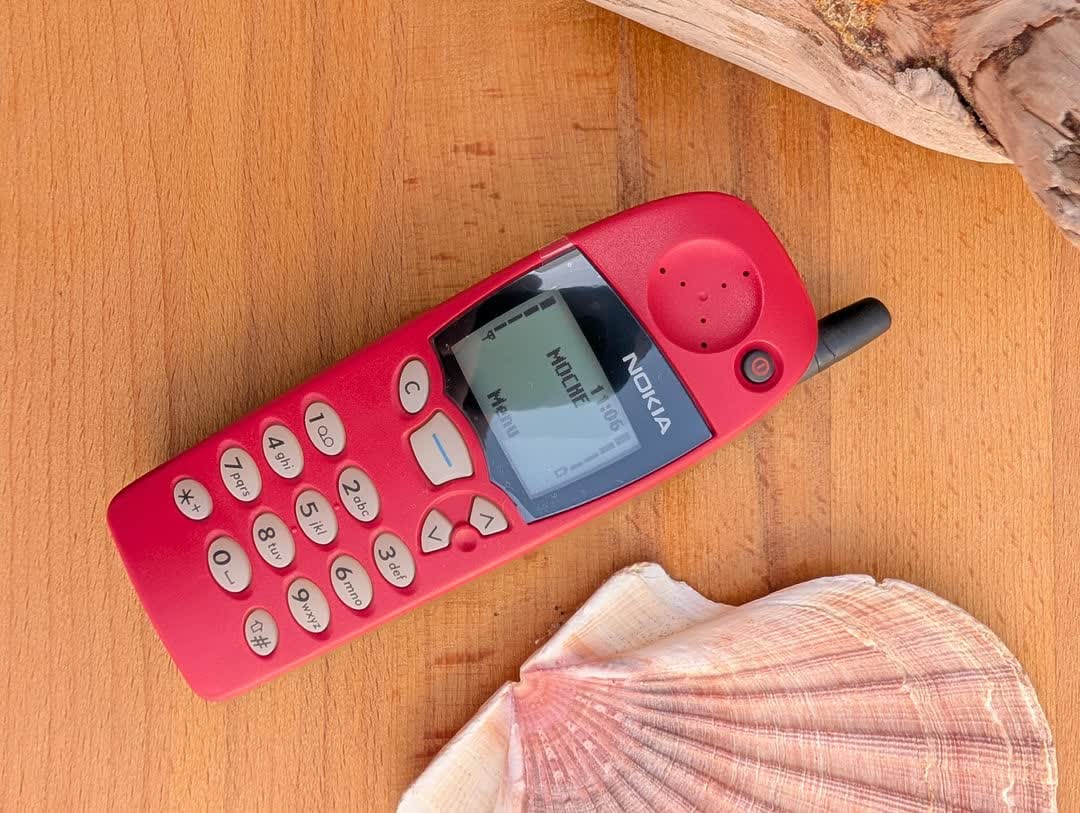
In 1998, Nokia overtook Motorola Inc. as the world’s largest mobile phone manufacturer. Gartner estimated that global cellular phone sales grew 51 percent that year, reaching nearly 163 million units, while Nokia reported selling 40 million handsets, a 92 percent year-over-year increase.


The growth of the global cellular communications industry in the late 1990s involved a transition from regional analog networks to second-generation (2G) digital standards. Finnish telecommunications manufacturer Nokia Corp. used standardized GSM (Global System for Mobile Communications) architecture, low-power ARM microprocessors, and modular physical assembly as it established global dominance in mobile hardware manufacturing.
European networks had fully adopted 2G digital standards while North American markets remained largely dependent on analog infrastructure with handsets carrying high minimum service fees. The digital shift enabled the Short Message Service (SMS) protocol and reduced component power draw.
In 1998, Nokia released the Nokia 5110, internally codenamed “Santra,” as a consumer-focused variant of the ARM-based Nokia 6110 enterprise handset. Nokia removed enterprise features such as the infrared (IR) communications port to reduce unit costs and separate consumer products from business lines.
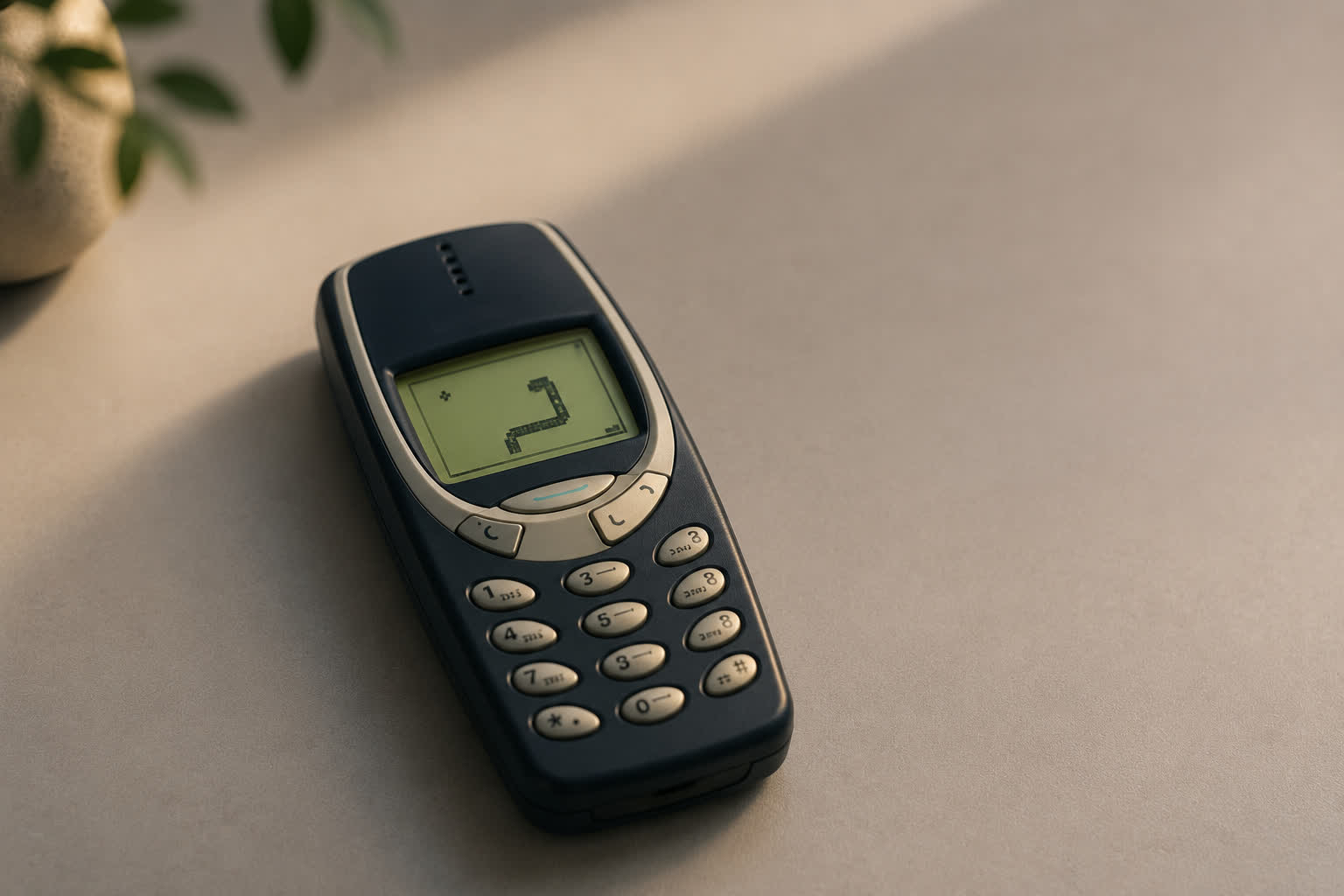
The 5110 used an 84×48 pixel monochrome liquid crystal display driven by a low-power Philips PCD8544 display controller. Its battery could provide up to 11 days of standby life on a single charge.
Its interchangeable polycarbonate front shells were marketed as “Xpress-on” covers. Seven colors were available at launch, including Antiqua Red and Tango Orange. In the United States, the handset was adapted for regional digital standards as the Nokia 5190 (PCS 1900 MHz), Nokia 5160 (TDMA/AMPS), and Nokia 5120.
Nokia’s marketing turned functional mobile hardware into customizable consumer merchandise, and the company sponsored London Fashion Week in 1999.
Software development was shaped by the tight constraints of early mobile hardware. Software engineer Taneli Armanto joined Nokia’s user interface design team in Espoo, Finland, in 1995 and was assigned to develop games for embedded handset microcontrollers.
After negotiations to license Tetris were abandoned because of per-unit royalty demands from The Tetris Company, Armanto created an application based on two-player snake arcade mechanics, including Gremlin’s 1976 arcade game Blockade. Snake first appeared on the Nokia 6110 in late 1997, where two players could compete through an infrared connection.
The consumer-facing Nokia 5110 lacked infrared hardware, so Snake was modified into a single-player format. Programmed directly onto low-power microcontrollers without graphics hardware acceleration, it rendered a three-pixel-wide line collecting four-pixel targets on a display measuring roughly one inch square.

Ringtone customization used the Ringtone Transfer Text Language (RTTTL) protocol. It stored monophonic music as text strings representing notes, durations, and octaves, such as “4f1, 4-, 4#g1.” Users could enter note sequences through the 12-button keypad or share them through plain-text SMS messages without consuming cellular data bandwidth.
Nokia’s default ringtone came from Spanish composer Francisco Tárrega’s 1902 classical guitar composition Gran Vals. Nokia executives selected it in 1993 because the work was in the public domain and incurred no royalty costs. The four-bar phrase debuted on the Nokia 2110 in 1994 under the system label “Type 7,” was formally renamed “Nokia Tune” in 1999, and was eventually estimated to play globally roughly 1.8 billion times per day at the company’s peak market presence.
Nokia sold more than 78 million mobile phones worldwide in 1999, replicating its 92 percent annual growth rate. The company also introduced the Nokia 7110, whose spring-loaded mechanical slider mechanism was modeled after the modified Nokia 8110 used in the 1999 film The Matrix.
The 7110 was the first phone equipped with a Wireless Application Protocol (WAP) browser for lightweight text-based web pages. It also carried T9 predictive text software licensed from Tegic Communications.
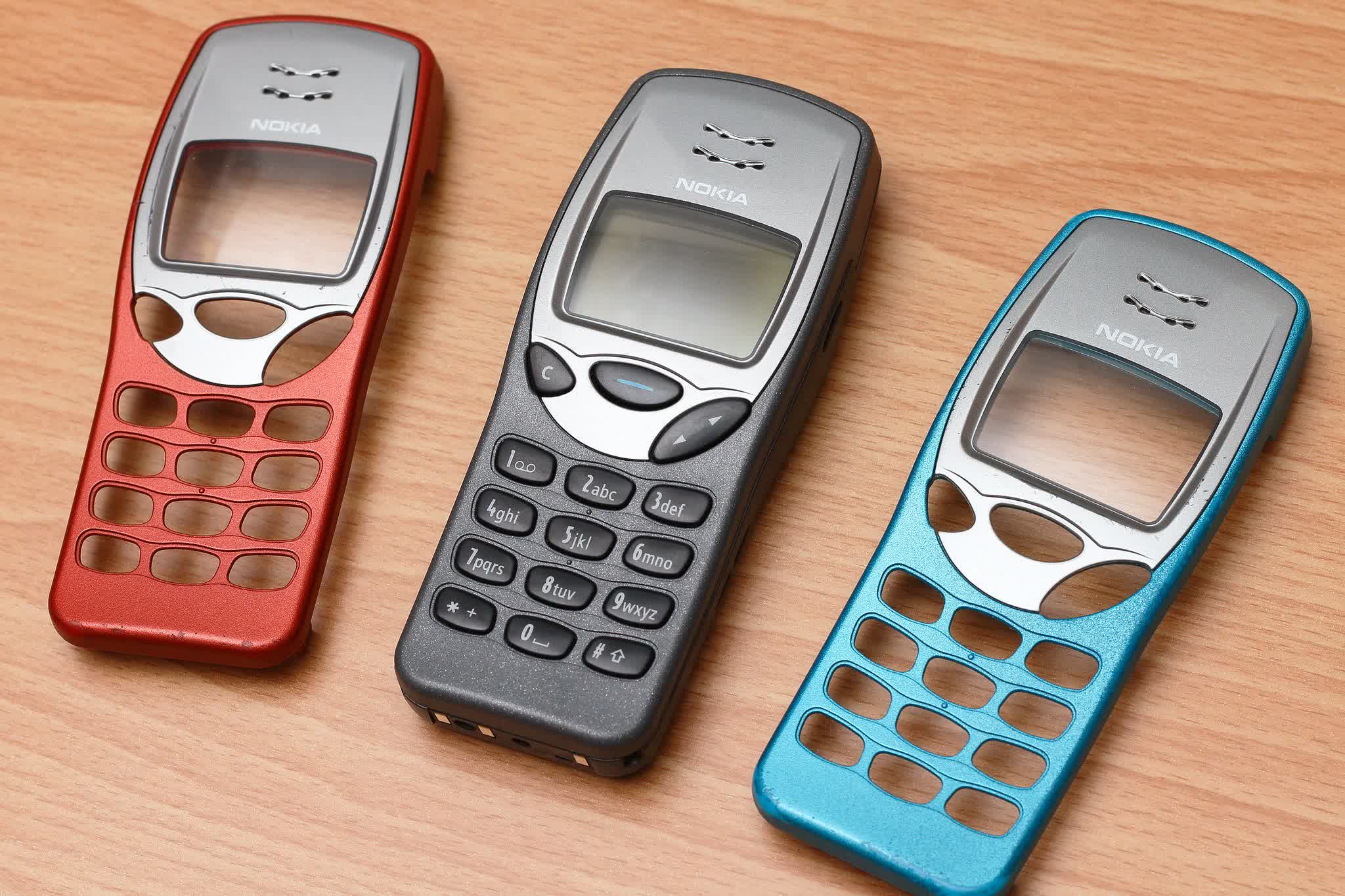
That year, industrial designer Alastair Curtis designed the Nokia 3210 under design chief Frank Nuovo. The handset was the first mass-market mobile phone engineered with an internal planar inverted-F antenna, removing the external whip antennas common to early cellular hardware and creating a curved exterior silhouette.
The 3210 supported full-body Xpress-on covers across its front and rear. It introduced SMS-based bitmap picture messaging and included an internal monophonic ringtone composer.
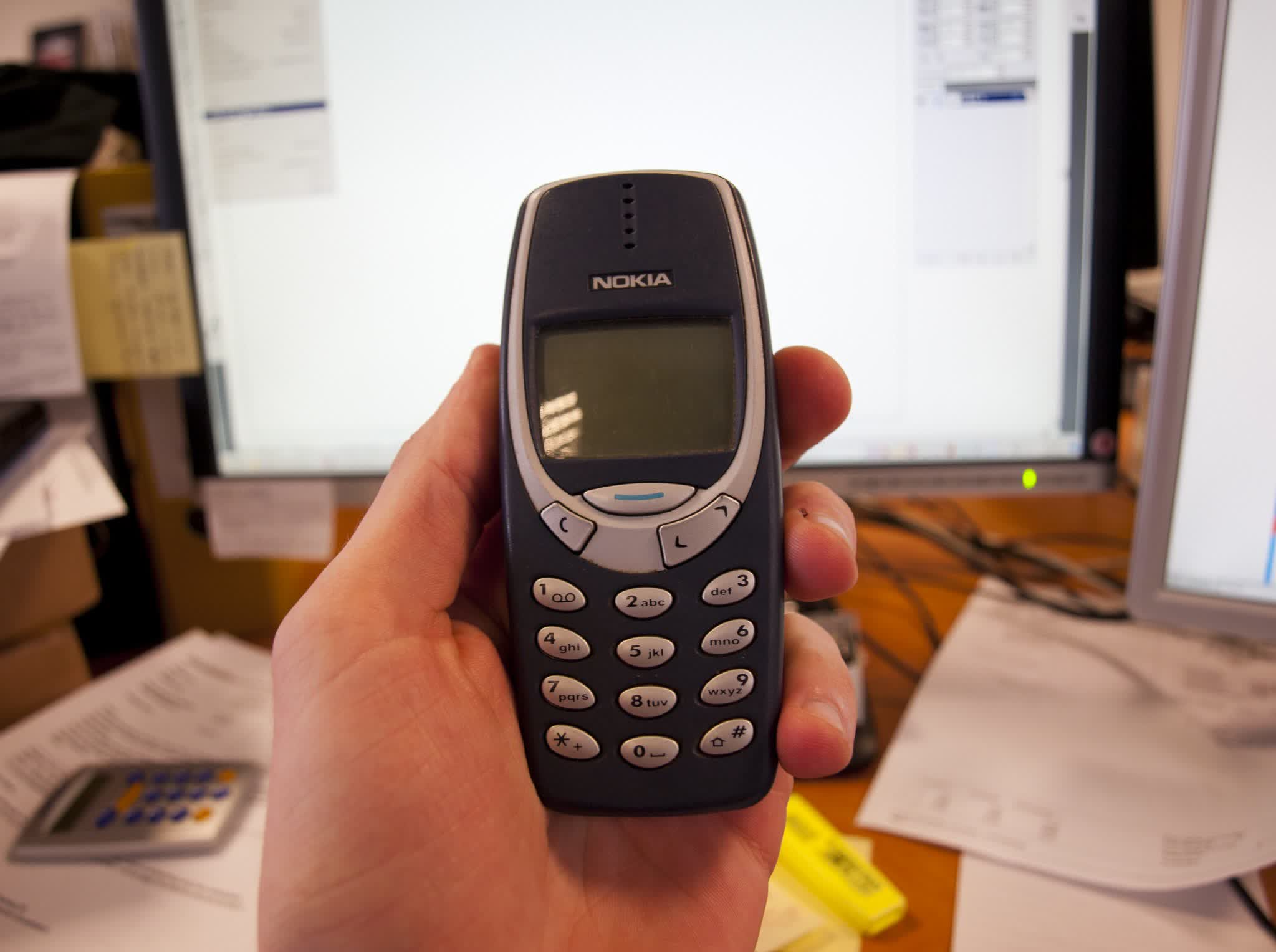
In September 2000, Nokia introduced the Nokia 3310, internally codenamed “Beetle,” at corporate events in Oberhausen, Germany, and at concurrent “Nokia Unplugged” events in Hong Kong, Manila, and Chengdu. The handset was developed at Nokia’s research and development center in Copenhagen, Denmark, under 20-something product manager Lone Tram Middleton.
Its structural frame was designed to flex and disassemble upon impact to absorb drop energy. The 3310 also introduced concatenated SMS, allowing system software to combine up to three standard 160-character cellular text messages into one 460-character transmission.
A dedicated SMS-based conversational messaging interface supported user nicknames and local message threads. Four built-in software applications were included: Snake II, Pairs II, Space Impact, and Bantumi, a digital adaptation of the mancala board game.
The handset was distributed in the United States as the Nokia 3390 (GSM 1900 MHz), Nokia 3360 (TDMA), and Nokia 3320, alongside a global WAP-enabled revision designated the Nokia 3330. When the 3310 was discontinued in 2005, global sales had reached 126 million units.
A 2011 viral thread on Reddit began persistent internet memes about the device’s physical durability. In November 2015, the Ministry for Foreign Affairs of Finland included the Nokia 3310 in its official set of national symbols as an emoji titled “The Unbreakable.”
Nokia shipped 128 million handsets in 2000. Although global mobile handset sales contracted in 2001 in the first decline in the industry’s history, Nokia increased its volume to 140 million units.
The commercial activation of Multimedia Messaging Service (MMS) networks in 2002 initiated a transition toward camera-integrated cellular hardware. Nokia launched the Symbian OS-based Nokia 7650 that year with a 176×208 pixel color screen, an integrated VGA resolution camera, Bluetooth connectivity, and support for native C++ application software.
For non-smartphone markets, Nokia launched the Series 40 software platform, adding color displays, Java ME software capability, and polyphonic audio processing to mainstream feature phones. The Nokia 3600 series followed the 7650 in 2003.
Nokia released the Nokia 1100 in 2003 to expand into developing telecommunications infrastructure in South Asia and Sub-Saharan Africa. Its sealed silicon keypad, non-slip rubber grips, dust resistance, and integrated LED flashlight helped it become the highest-selling consumer electronics device in history, with more than 250 million total units sold.
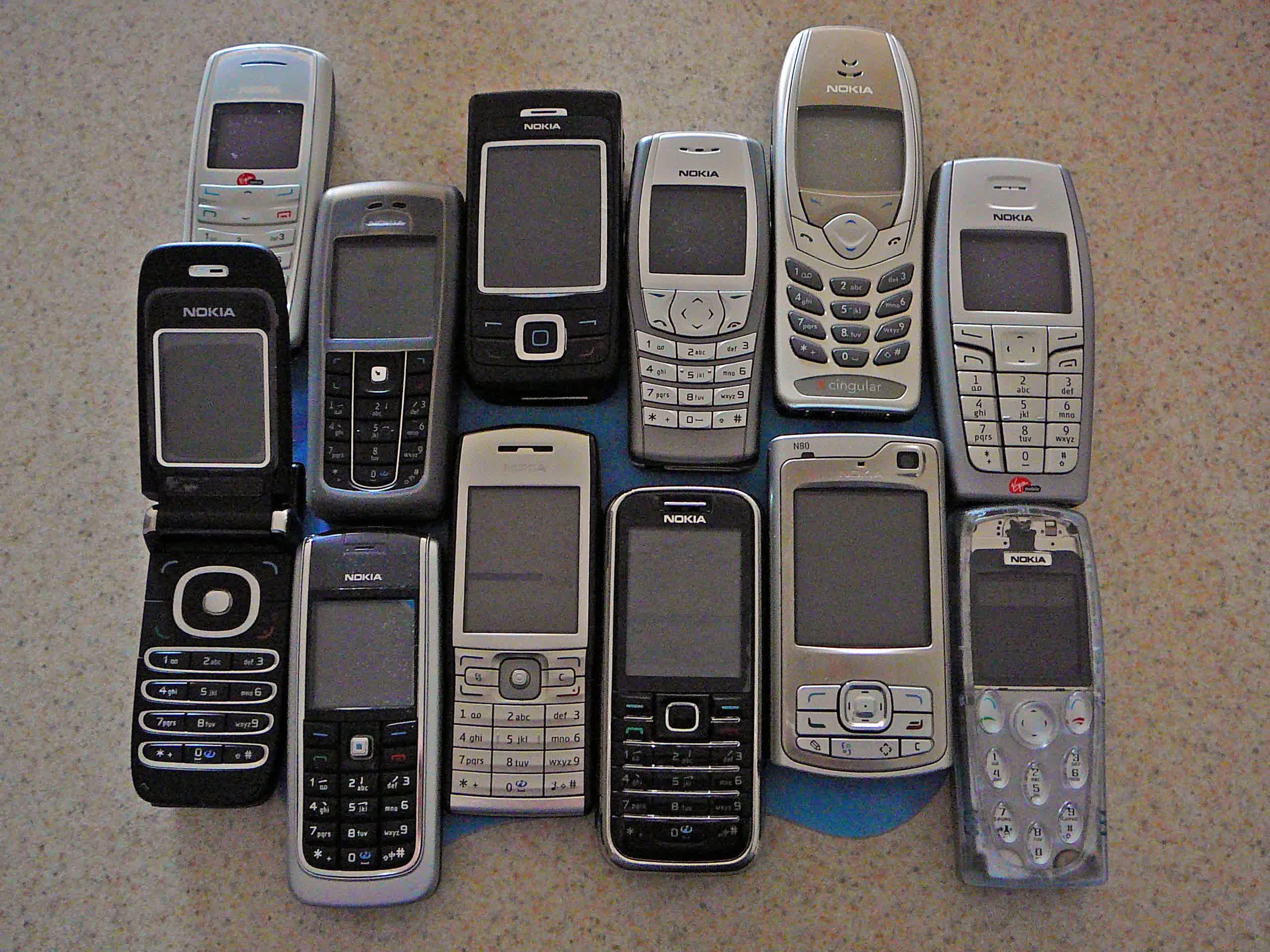
Regional preferences were diverging at the same time. North American consumers increasingly favored clamshell designs, driven by Motorola’s “triplets” line—the V300, V500, and V600—and the ultra-slim RAZR V3 launched in 2004.
Nokia continued focusing on European candybar physical layouts, and its market share in the United States dropped from 33 percent in 2002 to 10 percent by 2007.
The introduction of 3G telecommunications standards accelerated the industry shift toward touch-driven mobile platforms. Nokia reached peak volume sales in 2008, shipping 468 million mobile devices, while average selling prices declined as Apple’s iOS and Google’s Android secured dominant shares of premium smartphone markets.
Nokia’s Symbian operating system faced technical limitations with multitouch display inputs. MeeGo, an open-source Linux mobile platform developed jointly with Intel Corp., suffered development delays.
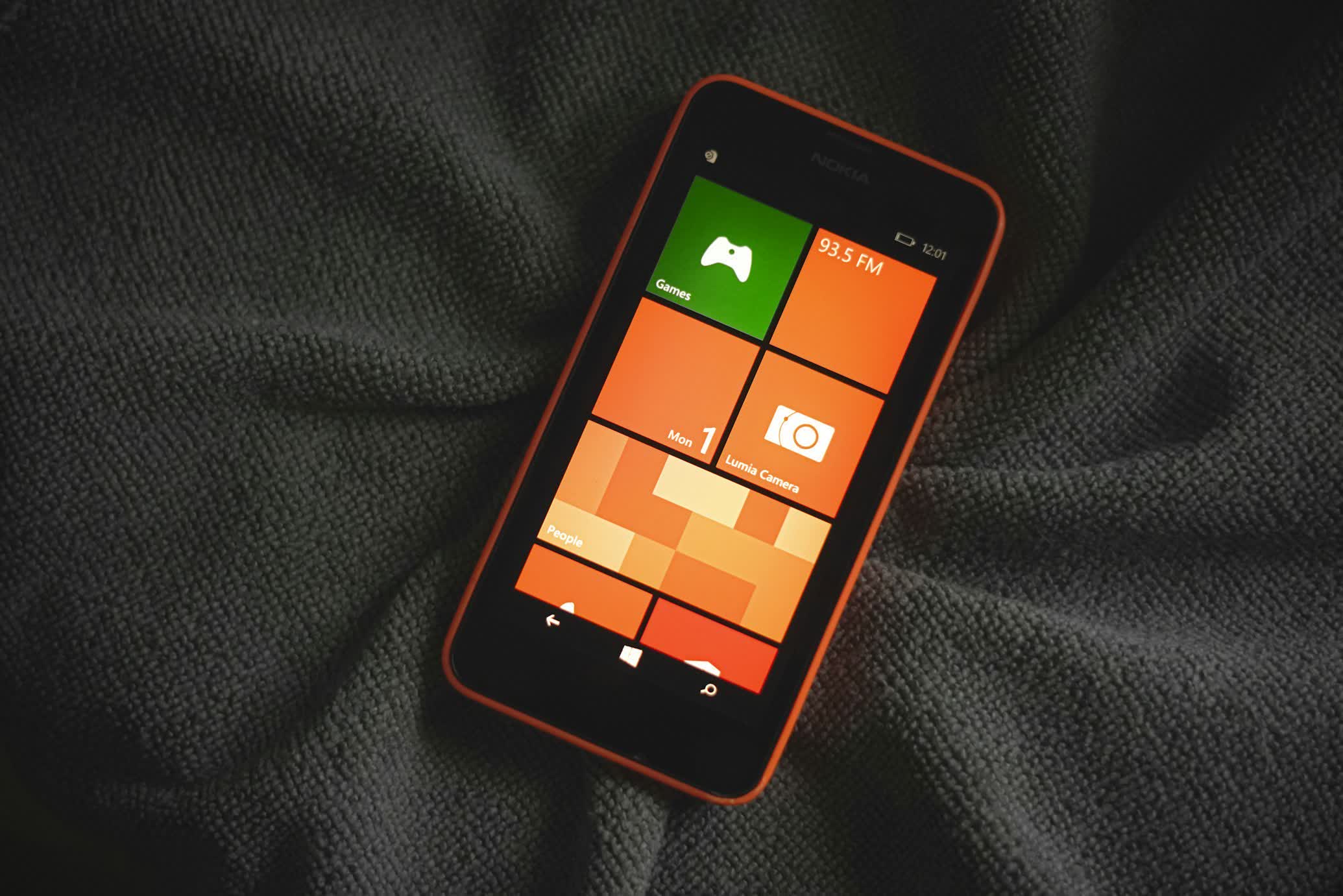
In September 2010, Nokia appointed Stephen Elop, the former head of the Microsoft Business Division, as chief executive officer and the first non-Finnish executive to lead the company. In February 2011, after a leaked internal memorandum in which Elop compared Nokia’s market position to a “burning platform,” Nokia announced a strategic shift away from Symbian and MeeGo toward Microsoft’s Windows Phone operating system for its flagship Lumia smartphone lineup.
By 2013, annual global smartphone shipments had surpassed feature phone shipments for the first time. In September that year, Microsoft Corp. announced an agreement to acquire Nokia’s Devices and Services division for $7.2 billion. The transaction was completed in April 2014.
Nokia briefly released Android-powered Nokia X devices in early 2014. In 2015, Microsoft CEO Satya Nadella restructured the acquired mobile division, wrote down $7.6 billion associated with the acquisition, and shut down handset manufacturing operations.
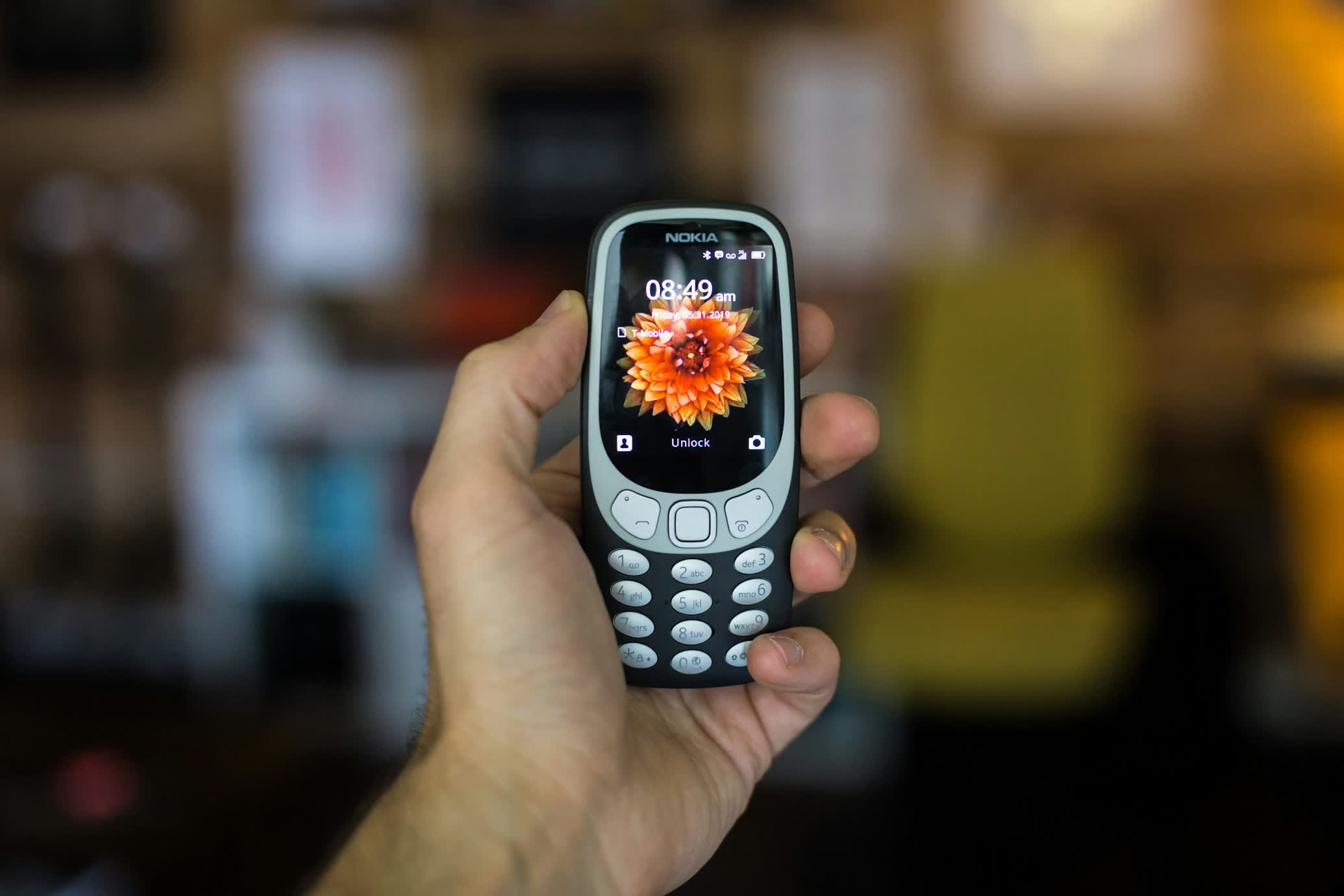
Former Nokia executives formed HMD Global Oy in Espoo, Finland, in May 2016. The company acquired the rights to market feature phones and smartphones under the Nokia brand name and subsequently released updated retro feature phones carrying the Nokia 3310 and Nokia 3210 product designations.
The 84×48 monochrome display module from the Nokia 5110 continued to circulate outside consumer retail channels as a component for embedded hardware design, robotics, and microcontroller prototyping on platforms such as Arduino and Raspberry Pi. Salvage markets supplied functional displays harvested from retired handsets.







One Comment