

Why Your Smart TV Slows Down Before Its Screen Fails
Your TV panel may outlast the computer inside it
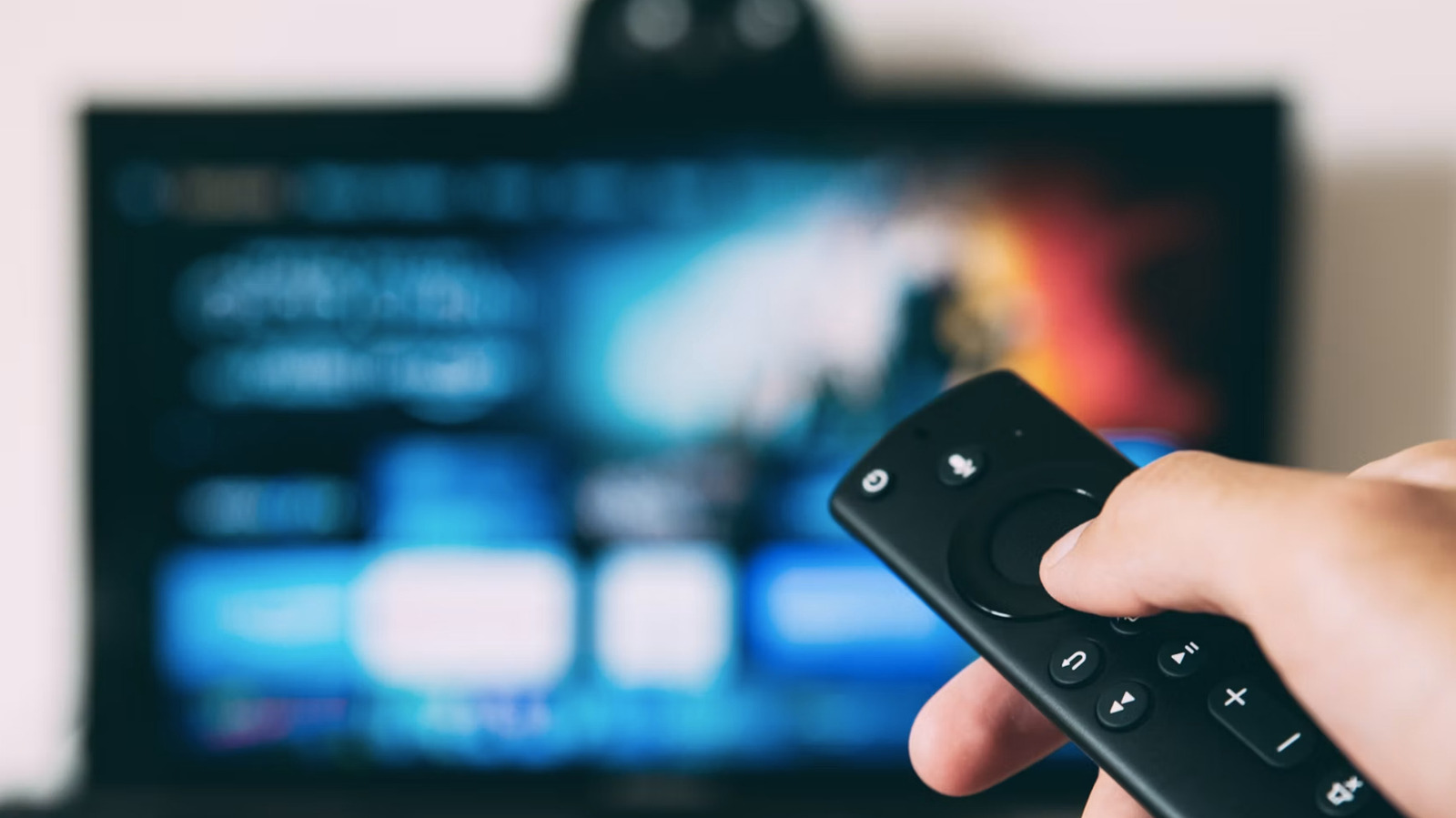
Modern 4K and 8K television panels using OLED, QLED, and advanced LED technologies routinely deliver high visual performance for eight to ten years. The onboard processors and memory in many smart TVs, however, often experience severe performance degradation, software deprecation, and app incompatibility within three to five years.
Smart televisions function essentially as integrated, specialized computers. Television original equipment manufacturers (OEMs) have historically installed low-cost System-on-Chips (SoCs), frequently powered by entry-level quad-core ARM Cortex processors, together with limited random-access memory (RAM) typically ranging from 1.5 to 2 gigabytes.
Those internal components must execute background display processing, motion smoothing, audio decoding, HDMI input management, and operating system graphic interfaces at the same time. As Netflix, Disney+, Hulu, Max, and Prime Video receive updates requiring greater memory allocation and higher graphic rendering resources, smart TV processors can become saturated. The resulting symptoms include slow interface navigation, system crashes, delayed application launches, and stream buffering caused by maxed-out system memory.


Manufacturer update practices widen the lifecycle gap between a television’s display and its internal software ecosystem. Samsung (Tizen OS), LG Electronics (webOS), Vizio (SmartCast), and TCL regularly restrict major operating system upgrades to newer display chassis models. Once a television model reaches three to four years of age, manufacturers frequently taper off firmware updates, leaving older operating systems unable to support updated security certificates and newer application frameworks.
Standalone media players have therefore seen sustained demand across consumer electronics supply chains and media platforms. External set-top boxes and HDMI streaming dongles decouple display technology from computing processing, allowing consumers to extend the functional lifecycle of a television display while upgrading its computing architecture at a fraction of the cost of a full display replacement.
Set-top boxes such as the Apple TV 4K use dedicated mobile processors, including Apple’s A-series chips, with up to 4 gigabytes of RAM and fast NVMe storage devoted entirely to operating system functions and media playback. High-end players such as the Nvidia Shield TV use dedicated Tegra processors to drive user interfaces and media pipelines.
Legacy smart TV operating systems can eventually lose application support entirely when third-party streaming providers update their application programming interfaces (APIs) or adopt newer video codecs. Replacing an entire television assembly because of software deprecation requires a substantial financial investment, with new 4K displays generally costing between several hundred and several thousand dollars.
Compact, budget-oriented HDMI devices—including the Amazon Fire TV Stick 4K Max, Roku Streaming Stick 4K, and Google Chromecast—separate media processing from the television on low-overhead operating systems designed specifically for high-speed content delivery. High-performance streaming dongles and entry-level set-top devices range from $20 to $50, while premium high-end media boxes typically sell for $130 to $200.
Streaming device manufacturers maintain long-term software support across multiple hardware generations. Integrating an external streamer can therefore allow an older television display to run current software frameworks without replacing the display panel.
Smart TV monetization has also changed over the past decade. Facing compressed hardware margins on television sales, major manufacturers shifted toward post-purchase monetization through home screen display advertising and consumer data collection. Samsung began natively integrating commercial ad placements into its Smart TV user interface in 2016, a practice now standard across platforms including Roku TV, LG webOS, and Google TV sets. Many smart TV platforms also use Automatic Content Recognition (ACR) technology to monitor on-screen media for ad targeting.
External streaming devices from Roku, Amazon, and Google also commonly place sponsored content and banner advertisements within their default launchers. The Apple TV platform instead operates on tvOS, which maintains a grid-based interface free from third-party home screen banner advertisements. Open-source single-board computers, including the Raspberry Pi running Linux-based software such as Kodi, provide ad-free local media operation for users seeking complete control over advertising and data tracking.
Dedicated streaming media hardware adds capabilities that standard smart TV firmware does not support. High-end devices frequently include local network media server functionality and expandable local storage through USB or microSD interfaces. The Nvidia Shield TV Pro includes integrated hardware transcoding capable of operating as a local Plex Media Server, allowing users to host and stream personal video libraries across local home networks and remote locations.
The same dedicated players support cloud gaming platforms such as Nvidia GeForce NOW, enabling high-framerate interactive gaming on standard televisions without requiring a separate gaming console. Streaming remotes from Roku, Amazon, and Google can also include built-in radio-frequency (RF) or acoustic remote-finding features, allowing users to ping misplaced controllers through hardware buttons on the receiver box or smartphone apps.
External HDMI streaming dongles weigh only a few ounces and use standard USB connections. Users can disconnect the complete computing setup—including saved profile settings, subscription login credentials, and interface configurations—and install it on any compatible display while traveling or working in remote environments.




