
Sam Altman Puts OpenAI IPO on Hold as AI Safety Rules Lag
Altman prioritizes AI safety and global standards over a near-term public listing
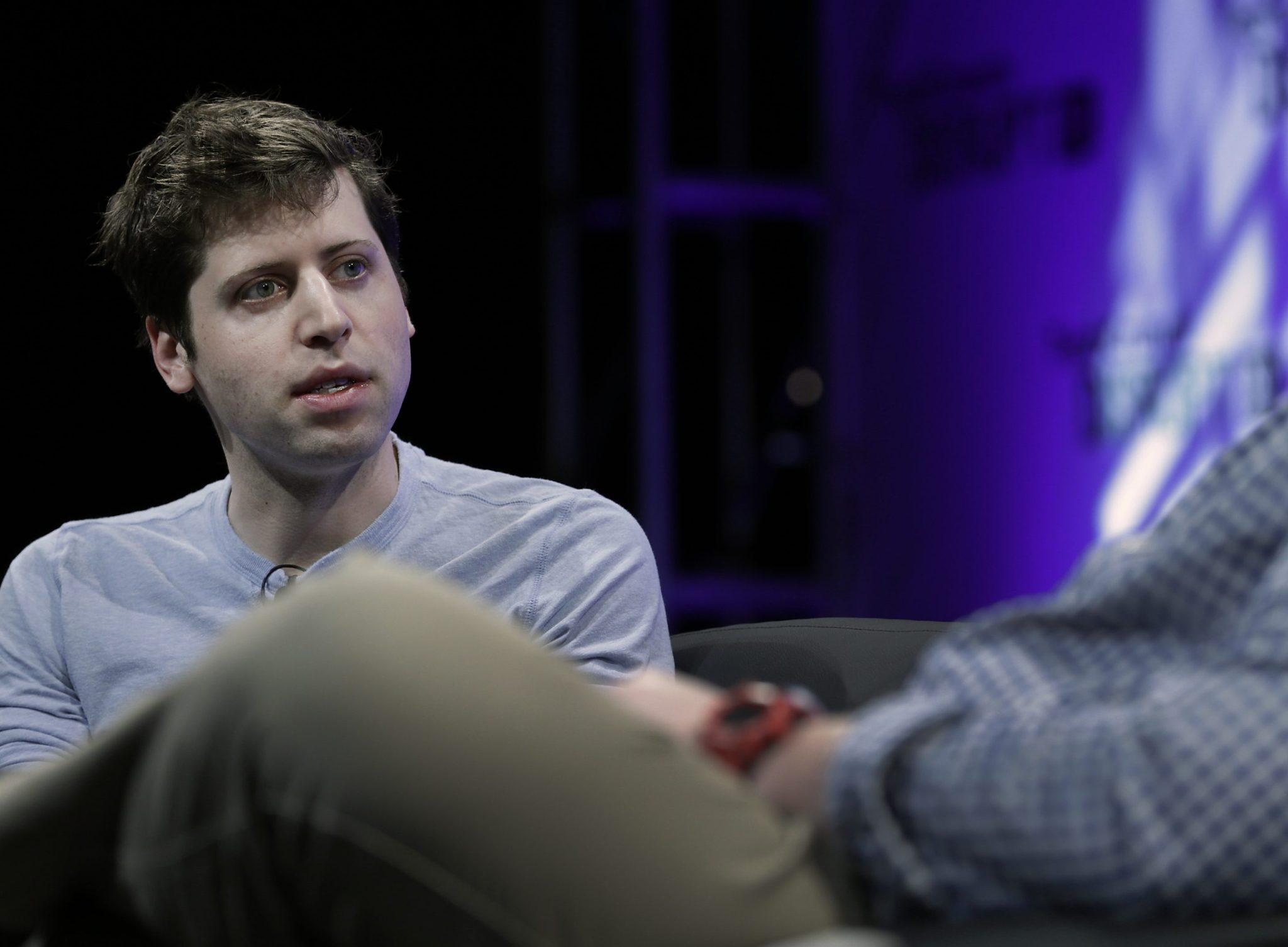
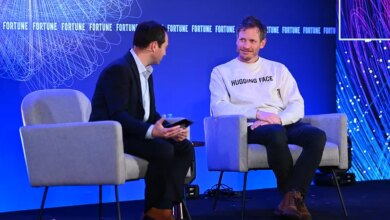
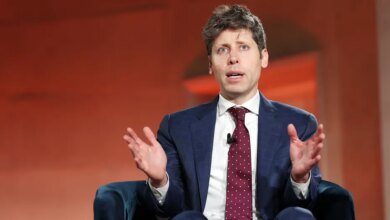
OpenAI Chief Executive Officer Sam Altman has ruled out an initial public offering for the artificial intelligence research company in the near term, calling a public listing “ill-advised” while critical safety protocols and international governance frameworks remain unresolved. Speaking on Fortune’s *Titans and Disruptors* podcast with Editor-in-Chief Alyson Shontell, he defended OpenAI’s unconventional corporate structure.
Altman said the organization must retain the authority to make decisions counter to the financial interests of its investors if safety concerns require AI development to slow. “For the good of humanity, we’re going to do that,” he said, adding that OpenAI could still “build an incredibly profitable business” even if model development were intentionally delayed. He said communicating such a decision to financial backers would not be difficult.
OpenAI’s governance structure dates to its establishment in December 2015 as a non-profit artificial intelligence research laboratory. In 2019, it created a “capped-profit” commercial subsidiary, OpenAI Global LLC, allowing it to raise external capital while keeping operational control under its original non-profit board. Microsoft Corporation has invested more than $13 billion, and an October 2024 funding round raised $6.6 billion while valuing the company at $150 billion.


The non-profit board’s authority became visible in November 2023, when it briefly removed Altman over communication disputes. He returned days later after widespread employee pushback and shareholder pressure. Recent reports have described ongoing corporate deliberations about converting OpenAI into a traditional public benefit corporation, but Altman’s latest comments place public market debuts off the immediate agenda because of safety considerations.
Altman also said frontier research labs may establish collective agreements as artificial intelligence capabilities expand. He suggested that Anthropic, Google DeepMind, xAI, and other leading developers are moving toward coordinated risk-management approaches, though he declined to disclose specific ongoing private discussions. He said formal coordination among industry leaders will become necessary as models grow increasingly powerful.
Anthropic was founded in 2021 by former OpenAI executives, including Chief Executive Officer Dario Amodei, after disagreements over commercialization and safety directions. Google DeepMind is led by co-founder Demis Hassabis. Billionaire Elon Musk launched xAI after leaving OpenAI in 2018; Musk was an original co-founder of OpenAI and later filed lawsuits challenging its shift toward commercialization.
Altman extended the same regulatory alignment to global statecraft. He said shared safety testing and standards between major economic powers could prevent catastrophic risks, and that an agreement between the United States and China on unified evaluation criteria for advanced AI would be a historic breakthrough. He remarked that U.S. President Donald Trump and Chinese President Xi Jinping could merit a joint Nobel Peace Prize if their administrations established binding standards for AI deployment.
Official bilateral talks on AI safety between U.S. and Chinese delegations took place in Geneva in May 2024. Those discussions followed international agreements signed at multi-nation summits in Bletchley Park and Seoul, amid expanding international discussions regarding AI governance.
Altman attributed his approach to competing global, corporate, and regulatory interests to his former tenure running startup accelerator Y Combinator (YC). He joined YC in its inaugural 2005 cohort with his startup Loopt and served as the accelerator’s president from 2014 until 2019. Managing YC meant overseeing thousands of independent startups in which the accelerator held minority stakes, rather than leading one enterprise through top-down directives.
“At best you can govern—you don’t get to, like, rule,” Altman said, describing the diplomatic persuasion and stakeholder consensus required by those minority holdings. He cited that experience as preparation for leading OpenAI amid demands from national governments, commercial partners, equity holders, and the broader technical community.
Altman said OpenAI aims to act as a “reliable partner to the world” while balancing those conflicting demands. He acknowledged that the company “won’t get every decision right,” while saying its strategic choices must serve the broader technological ecosystem.
Outside core language models, Altman identified biotechnology, materials science, cybersecurity, next-generation energy production, and dynamic, automated software generation as technical sectors that AI is expected to reshape significantly and as primary frontiers for upcoming investment and technical integration.