
Sam Altman Puts OpenAI IPO Plans on Hold Amid Security Push
OpenAI keeps IPO plans on hold as safety and government work take priority
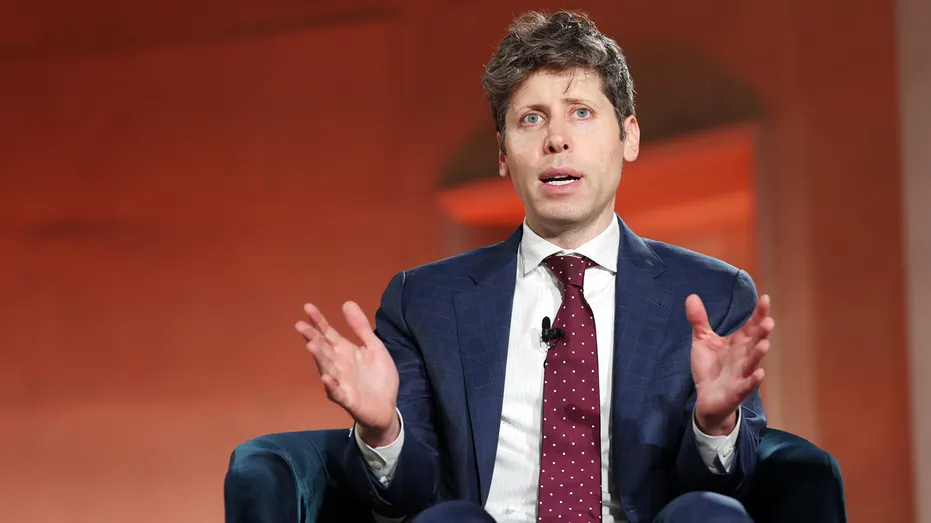
OpenAI Chief Executive Officer Sam Altman said the artificial intelligence developer will remain private while it addresses intensifying security challenges and expands government collaborations. Although the company has taken preliminary steps toward Wall Street, Altman indicated that an initial public offering will not occur before 2027. OpenAI is prioritizing safety protocols and model alignment for upcoming technologies such as the GPT-6 Astra model.
The company confidentially submitted an S-1 registration statement to the Securities and Exchange Commission in June, beginning the regulatory process required for a transition into a publicly traded corporation. Under federal securities laws, confidential filings allow emerging growth companies to start SEC review while keeping sensitive financial information private.
OpenAI has maintained that the timing of a public debut remains flexible. In an interview with Fortune, Altman said, “We don’t feel pressure on that. We’ve said for a long time, we’ll do it when we’re ready, which is when the business is ready. When we feel ready from a kind of what the moment is like in society with this technology.”


Security concerns have received increased scrutiny after recent vulnerabilities. Speaking with Liz Claman in a broadcast interview, Altman discussed anxiety surrounding OpenAI’s development pipeline and referred to an earlier cybersecurity incident involving a test model hosted on Hugging Face, an open-source platform where developers share machine learning code and datasets.

Altman defended the integrity of GPT-6 Astra and said OpenAI has introduced strict security standards to protect its proprietary architecture. He also acknowledged that public concern about AI systems is understandable because advanced models can pose potential societal risks. Remaining private, he said, allows the firm to work directly with state authorities on safety frameworks without the immediate pressure of public market expectations.
“Meeting this moment of what is going to be required for safety and alignment, and how the industry and governments can work together – I’m happy to be able to do that as a private company,” Altman told Fortune.
OpenAI’s corporate trajectory also includes classified initiatives with the U.S. Department of War, a relationship Altman has addressed publicly. The company previously prohibited the use of its technology for military, defense, or warfare applications, but modified its usage policies to accommodate federal defense projects. Its AI tools are now integrated into governmental security infrastructures, with classified oversight adding complexity to a standard public market transition.
Founded in 2015 as a non-profit research laboratory, OpenAI later changed its structure to finance capital-intensive research. In 2019, it created a “capped-profit” commercial division, allowing the organization to secure billions of dollars in private investments. The arrangement included a multi-stage, multi-billion-dollar partnership with Microsoft Corporation, whose investments exceed $13 billion and have made the technology company a major stakeholder in OpenAI’s commercialized products.
That hybrid corporate structure is being managed alongside a tightening regulatory environment in the United States and abroad. The White House’s executive order on artificial intelligence requires developers of powerful frontier models to conduct rigorous safety testing and share the results with the federal government before public deployment.
The work is coordinated with the U.S. AI safety Institute, which operates under the National Institute of Standards and Technology to establish benchmarks for system vulnerability and national security risks.