
GameStop Reopens Stores as Collectibles Overtake Video Games
Reopened stores and executive stock purchases accompany GameStop's shift toward trading cards and collectibles
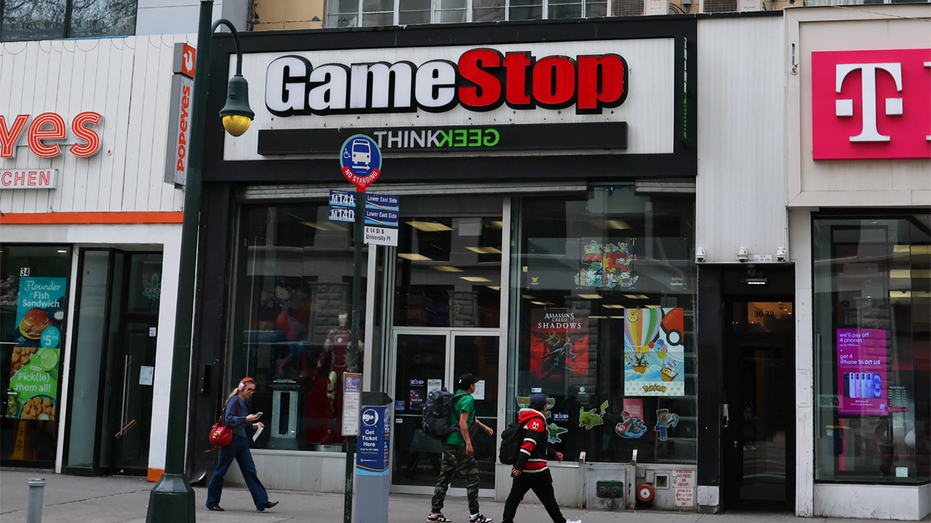
GameStop Corp. is prioritizing high-margin collectibles over traditional video game software as it rapidly transforms its brick-and-mortar footprint. The Grapevine, Texas-based retailer said it would begin reopening a select number of previously closed locations starting Sept. 11.
Collectibles accounted for 45.1% of GameStop’s net sales in its most recent quarter. The category includes action figures, apparel, and trading cards, and represented approximately 29% of sales in fiscal 2025.
On Sept. 10, GameStop board member Alain Attal, a long-time associate of Cohen, purchased 5,000 shares for approximately $100,000. The same day, Cohen purchased 1 million shares of GameStop’s Class A common stock.



The shares acquired by Cohen carried a weighted average price of approximately $20.38 per share, representing a personal investment of roughly $20.4 million. The purchases were disclosed in regulatory filings with the U.S. Securities and Exchange Commission.
GameStop’s collectibles sales rose 57% year-over-year. The company has sought to capture the booming market for high-value nostalgia items and alternative assets, while trading cards have become a highly lucrative part of the category.
At select locations, GameStop has launched specialized buy-and-trade programs for graded trading cards. The stores are being positioned as local hubs for collectors and alternative asset investors.
For decades, the retailer depended on the sale and trade-in of physical game discs as its core, high-margin business model. Sony Group Corp. has signaled plans to phase out physical PlayStation game discs for new releases starting in 2028, adding pressure to a traditional market facing existential pressure from digital distribution.
GameStop is repurposing its remaining stores as physical destinations for collectors, including buyers interested in trading cards and retro hobbyist items. Rare vintage products have reached record-breaking auction prices; the 1998 Pikachu Illustrator Pokémon card, for example, has sometimes sold for more than $1 million.
The company did not initially publish a comprehensive list of the returning stores, but a spokesperson confirmed that a location in Brooklyn, Ohio, was among the first to reopen. The move follows years of aggressive store closures intended to reduce corporate overhead.
Over the past several years, GameStop closed hundreds of underperforming stores globally as part of a sweeping cost-cutting initiative led by Chief Executive Officer Ryan Cohen. The effort was intended to streamline operations and achieve sustained profitability.
Cohen took the helm of GameStop in September 2023 after initially acquiring a major stake in the company in 2020. He built his fortune as the co-founder of online pet retailer Chewy.
Under Cohen’s guidance, GameStop has used periods of heightened stock market volatility to raise billions of dollars in capital through equity offerings. That has provided the retailer with a substantial cash cushion to fund its ongoing business transition and navigate the secular decline of physical media.