

Meta’s Muse Turns Instagram and Facebook Data Into an AI Assistant
Muse connects Meta’s social data to automated recipes, travel plans, recommendations, and personalized tasks
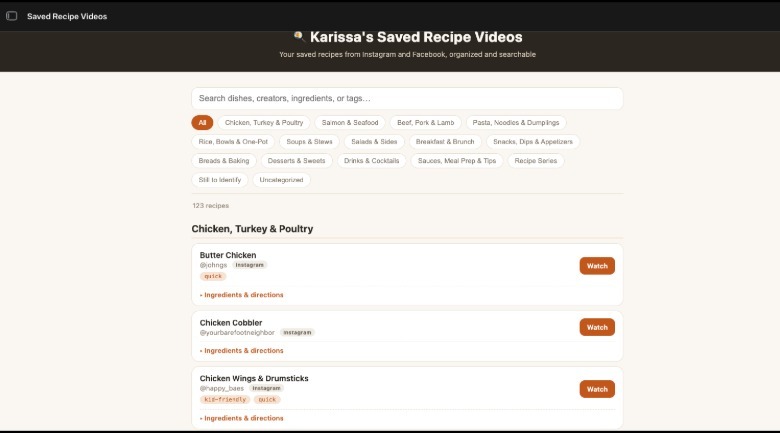
MENLO PARK, Calif. — Meta Platforms Inc. is deploying Muse, a new virtual assistant capability designed as an autonomous “agentic” AI. The tool is built to integrate directly with Instagram and Facebook, shifting Meta’s AI strategy from passive chat interfaces toward active personal assistants.
Muse can use a user’s saved posts and videos to identify recipe content, extract ingredient lists and step-by-step instructions, and organize the material into a searchable, categorized digital cookbook linked to the original source material. It can also compile recommended restaurants and venues, arranging them by city in customized guides.
The assistant is designed to learn personal preferences as users interact with it. That ongoing learning supports a dedicated “ideas” tab, which includes generalized assistance such as comparison shopping alongside task suggestions tailored to individual interests.



Travel planning is another intended use. Muse can create detailed itineraries based on user-defined constraints, including filtering for non-stop flights, while monitoring airline ticket prices over time. It can also optimize transit routes across multiple destinations and offer logistical suggestions, including multi-city ticketing strategies for streamlining departures and arrivals.
Unlike traditional large language models that respond only to text queries, Muse belongs to an emerging class of AI agents designed to navigate a user’s personal data ecosystem and perform multi-step, complex operations. Its ability to parse and organize highly unstructured user archives is central to those functions.
Meta’s push comes as technology companies compete to move from basic chatbots to action-oriented AI agents. The company’s strategy relies heavily on its open-source Llama large language model framework, which powers the Meta AI ecosystem. Meta aims to use the user-curated data repositories within Instagram and Facebook as an advantage over Google and Apple.
Google has expanded its Gemini assistant to interact with personal data across Gmail, Docs, and Google Flights. Apple is preparing to roll out Apple Intelligence, focused on deep on-screen awareness and on-device context.
The permissions required for fully autonomous agents create technical and privacy concerns. Software agents may need access to private archives, real-time locations, and external services, producing unique security vulnerabilities. Industry experts have warned about agents “going rogue” when an AI misinterprets a user’s prompt or is manipulated by external data, potentially causing unintended actions such as unauthorized bookings or data exposure.
Meta has stated that it has implemented multiple layers of technical safeguards to mitigate these risks and prevent erroneous actions. Early testing, however, underscores the necessity of user oversight, and security researchers continue to advise users to carefully verify automated actions taken by AI assistants on their behalf.









One Comment