Cattle Enter Solar Fields as Grazers Chase Bigger Markets
Farmers test beef cattle under photovoltaic panels to tap larger consumer markets while cutting diesel mowing costs for developers.
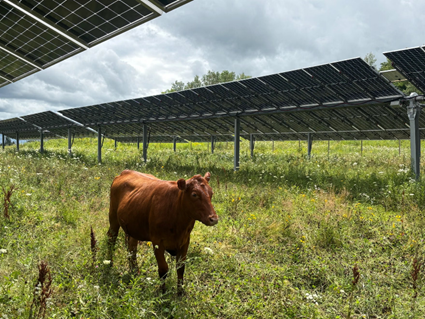
Five cows walked under tracking solar panels in Fort Covington, New York, last summer. The animals did not damage the equipment. They ate the grass. For a U.S. livestock industry searching for new pastureland and renewable energy developers trying to cut maintenance costs, that pilot project signals a shift in how solar sites are managed.
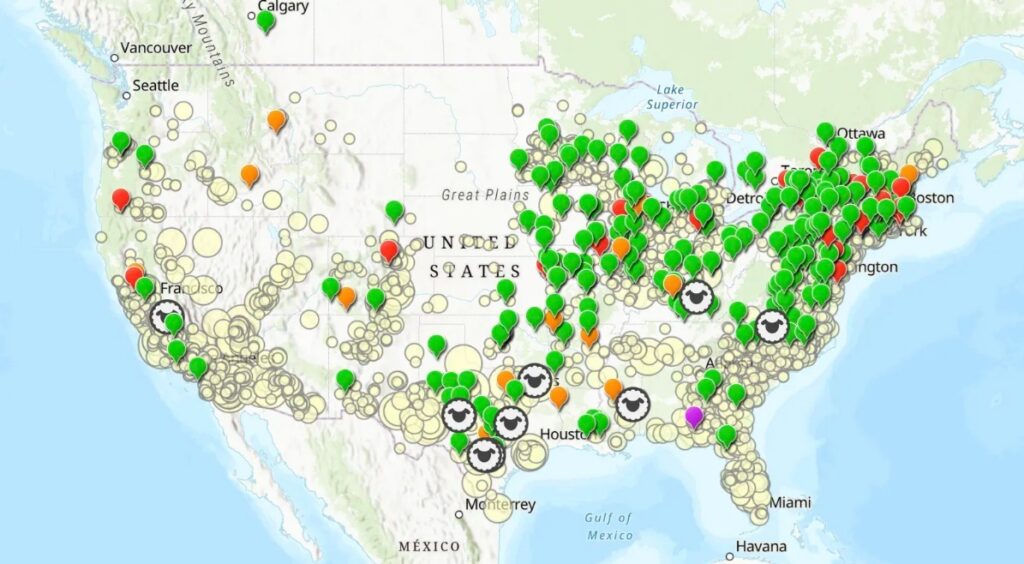
Sheep have dominated the solar grazing sector since it emerged as a commercial enterprise in 2018, according to Stacie Peterson, executive director of the American Solar Grazing Association (ASGA). But beef cattle command a vastly larger share of the American diet than lamb. That economic reality is pushing graziers to test whether heavier livestock can safely operate inside utility-scale power plants.
Rebekah Pierce, owner of J&R Pierce Family Farms, proposed the cattle-grazing pilot to Nexamp. The developer managed livestock at 89 sites across five states this past season, covering nearly 2,000 acres, communications manager Keith Hevenor said. Nexamp launched its grazing program in 2019 with a single site and has expanded annually since.

Pierce noted that sheep remain the most flexible option for solar arrays not designed for larger animals. Cattle, however, offer market potential aligned with domestic consumption patterns. Americans eat significantly more beef than lamb, making cattle operations potentially more profitable for farmers leasing solar land.
The first comprehensive attempt to measure the industry’s footprint arrived with the United States Solar Grazing 2024 Census. Conducted by ASGA alongside the U.S. Department of Energy National Lab of the Rockies (NREL), the survey counted over 113,000 sheep grazing 129,000 acres beneath solar panels. Peterson told pv magazine USA she expects the unreleased 2025 census to show substantial growth.
Scaling up requires bridging two industries with different operating cultures. Matt Kovarik of Maine-based Black Earth Grazing described the corporate solar world and the agricultural sector as a dichotomy. His operation partnered with New England contractor ReVision Energy in 2024 on a dual-management program. The venture grew from 40 ewes to several hundred, now covering 11 community solar sites. It proved lucrative enough that the farmers renamed their business from Black Earth Forest Farm to Black Earth Grazing.
Solar developers pay graziers for vegetation management, replacing diesel-powered mowers with animals. Farmers gain access to acreage they otherwise could not afford, expanding flock sizes and revenue. Peterson said contracts vary widely by region and operator.
Equipment damage remains a primary concern for asset managers. Pierce argued that livestock pose less risk than mechanical mowers. Sheep do not chew wires or kick rocks into panels, she said, eliminating fire hazards associated with heavy machinery striking steel infrastructure. Graziers also function as de facto security, visiting sites every other day and reporting loose wiring or fence breaches directly to operations and maintenance teams.
Frequent acquisitions in the renewable energy sector complicate these partnerships. When solar projects change hands, new management often inherits grazing agreements they did not negotiate. Pierce stressed that maintaining direct communication channels with specific decision-makers inside energy companies prevents contract disruptions during corporate transitions.
ASGA offers a one-day workshop for site operations teams, developers, and asset managers. Participants receive a Level 1 Solar Grazing Management Certification.

Silicon Ranch, one of the leading solar grazing installers in the U.S., will discuss the sector’s trajectory during a keynote fireside chat at pv magazine USA week on October 22.