UNC Settles Federal Bias Probes for Zero Dollars While Columbia Paid $200 Million — Here’s Why
Zero-cost deal contrasts with Columbia's $200M payout as administration presses campus compliance campaign
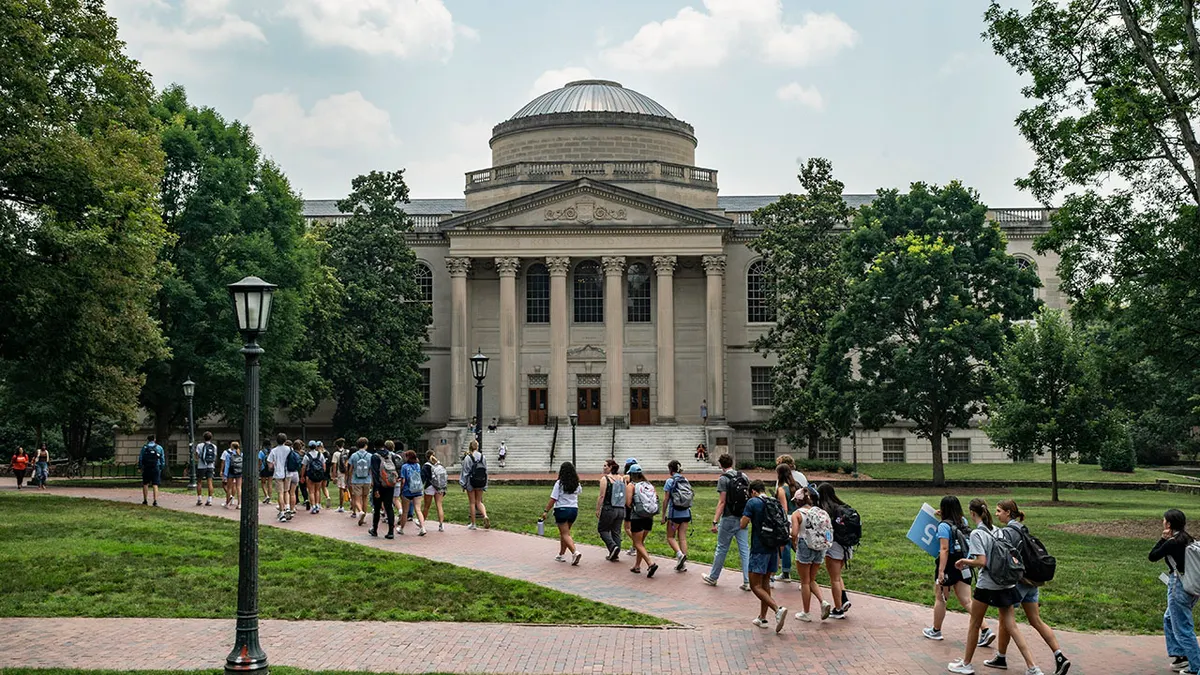
The University of North Carolina at Chapel Hill walked away from 18 federal civil-rights investigations and a Justice Department compliance review without paying a cent. Columbia University, by contrast, agreed to pay more than $200 million last year to resolve similar probes. Brown University committed $50 million over a decade. Harvard has so far refused to settle at all.
The disparity reveals the emerging economics of the Trump administration’s campus-enforcement campaign. Universities are calculating whether the price of resistance — frozen grants, canceled contracts, reputational damage — exceeds the cost of compliance. For UNC, the math favored a quick deal.
The settlement, announced Thursday, closes Education Department investigations into alleged antisemitism and race discrimination and ends an 18-month Justice Department review opened in April 2025. No monetary penalty. No admission of liability. The agreement runs through December 2028 and preserves UNC’s access to federal research dollars, which totaled $1.2 billion in fiscal 2024.



But the non-monetary terms are extensive. UNC must install a “Merit & Civil Rights Administrator” and a Title VI Coordinator — both roles filled by existing compliance official Elizabeth Hall — to serve as the federal government’s point of contact. Mandatory antisemitism training for every student, faculty member, and staffer. A ban on face masks used to conceal identity, with limited exceptions. Quarterly reporting of every bias complaint to Washington.
Most consequential: a “color-blind admissions system” that bars race from any enrollment decision, extending the Supreme Court’s 2023 affirmative-action ruling to scholarships, financial aid, and student programming. The university may still consider individual adversity — poverty, family background — if applied uniformly.
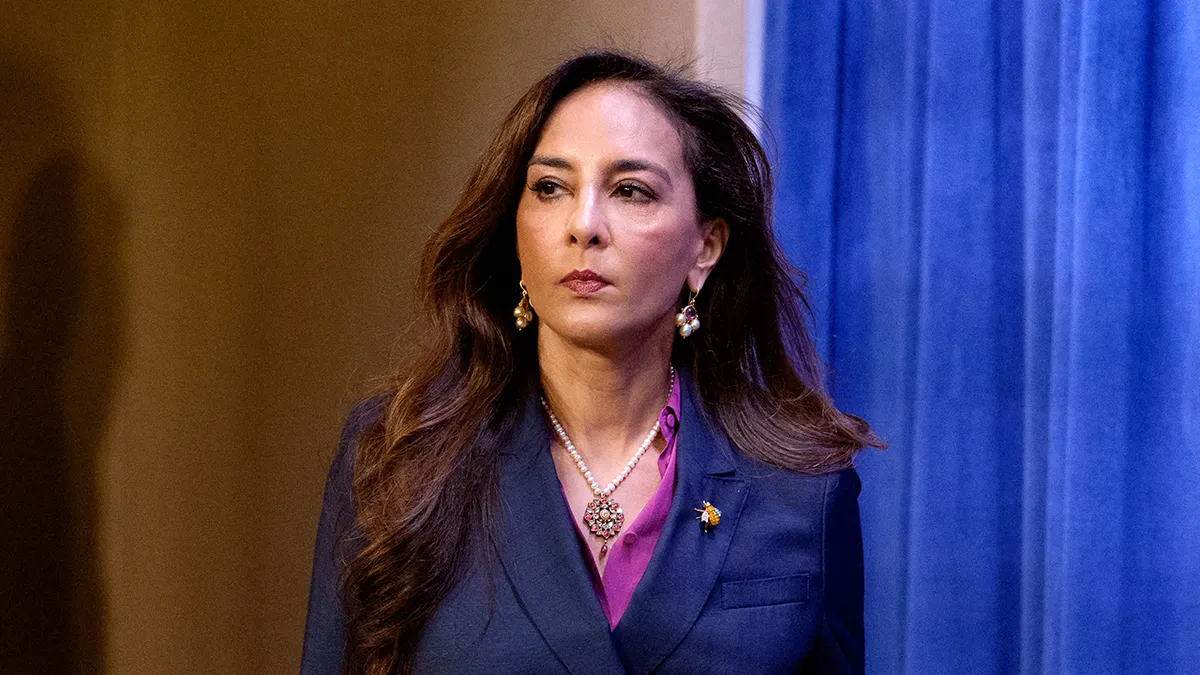
“Higher ed policies and practices that tolerate antisemitism or favor certain racial groups over others frustrate our color-blind justice system,” Assistant Attorney General Harmeet Dhillon said. She urged other institutions to “take note and do the same.”
UNC Chancellor Lee H. Roberts framed the deal as mission protection. “We’re proud to resolve those issues at Carolina in a way that protects our mission and affirms the civil rights of everyone in our community,” he said.
The administration has opened probes at dozens of campuses since January, linking pro-Palestinian protests, diversity programs, and transgender policies to alleged Title VI violations. Columbia’s $200 million settlement included a new oversight board and policy overhauls. Brown’s $50 million funds Rhode Island workforce development. Both admitted no wrongdoing either.
Harvard, facing a broader funding threat that could reach $9 billion, has chosen litigation. Its endowment — $53 billion — makes the calculus different. So does its institutional culture. A Harvard official, speaking privately, described the administration’s demands as “an existential threat to academic self-governance.”
Legal scholars say the UNC agreement functions as a template. “It’s a consent decree in all but name,” said a former Education Department civil-rights lawyer. “Every university counsel in the country is reading this document today.”
The mask prohibition, justified as preventing anonymous harassment, echoes tactics used against Ku Klux Klan organizers in the 1950s. Civil-liberties groups warn it could chill political speech. The mandatory training requirement mirrors corporate diversity programs the same administration has attacked elsewhere.
For students, the changes arrive immediately. Fall orientation will include the new antisemitism module. Scholarship committees have been instructed to scrub race-conscious criteria. The compliance office, previously a backwater, now reports directly to Washington every 90 days.
Reuters contributed to this report.