

Egg Carton Upcycling Fuels Cottagecore Decor Trend as Adults Embrace Whimsical Woodland Crafts
How a zero-waste material became the centerpiece of grown-up cottagecore decorating
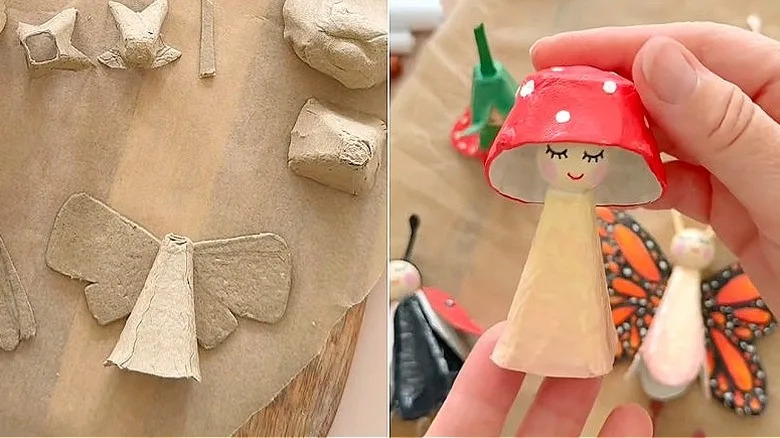
The cottagecore aesthetic that exploded across social media during pandemic lockdowns has migrated from TikTok feeds into living rooms year-round, and an unlikely material is having a moment: the humble egg carton. Crafters are transforming paper and cardboard cartons into hedgehogs, foxes, mushrooms, and strawberry creatures — not for children’s nurseries, but as deliberate design choices in adult spaces.
“People are craving tactile, low-stakes creativity that doesn’t require a trip to a specialty store,” said Mallory Whitmore, a Denver-based interior stylist who incorporates handmade elements into client projects. “An egg carton costs nothing, and the conical cups already resemble tiny forest dwellings. It’s accessible upcycling with a narrative.”
The trend aligns with broader shifts toward sustainable decor. The EPA estimates containers and packaging account for 28% of municipal solid waste, and paper-based egg cartons — unlike foam versions — are compostable after their second life as decor. Many municipalities accept clean cartons in curbside recycling, but crafters are intercepting the waste stream entirely.


Safety comes first. Cartons that held raw eggs can harbor Salmonella; the USDA recommends sanitizing with a solution of one tablespoon unscented bleach per gallon of water, or spraying with undiluted white vinegar or 70% isopropyl alcohol. Allow to dry completely before cutting. Foam cartons cannot be sanitized effectively and should be discarded.
Construction is straightforward: the pointed cones between egg cups become bodies; the flat lid and base sections yield wings, antennae, and hats. Acrylic paint — widely available brands include Apple Barrel and FolkArt — adheres well to porous cardboard. A white base coat prevents the carton’s gray-brown from muting colors. Dual-tip acrylic paint markers (Betem and Artistro are common) handle both fine details and broader fills.
Texture elevates the pieces. Wooden beads serve as heads; pipe cleaners form posable antennae; micro-fine glitter or hole-punched confetti adds iridescence to wings without the mess of loose craft glitter. Hot glue guns bond elements faster than white glue, though tacky craft glue works for pieces handled by children.
Display options scale from whimsical to seasonal. Glued to popsicle sticks, the figures become garden markers or puppet theater casts. Strung on monofilament or embroidery floss, they form mobiles for sunrooms or nurseries. Tucked into pothos or fern foliage, they create “fairy garden” vignettes. Grouped on a mantel with pinecones and battery-operated tea lights, they transition from spring through autumn.
Educators have adopted the craft for classroom units on life cycles and habitat. A single carton yields enough components for four to six students, and the project aligns with NGSS standards for structure and function. Libraries report increased demand for “crafternoon” programming featuring upcycled materials.
Retailers have noticed. Michaels and Joann now stock “upcycle craft” endcaps featuring egg carton project sheets alongside paint markers and wooden beads. Etsy searches for “egg carton woodland” returned over 1,200 active listings in October, up 340% from two years prior.
The next wave may be collaborative. Community “craft swaps” in Portland, Austin, and Minneapolis invite participants to bring sanitized cartons and trade finished pieces, turning solitary making into social infrastructure — exactly the cottagecore ideal made tangible.









