Run Chromebook OS on Apple Silicon Macs via gbos-vm
The QEMU-based project translates Vulkan to Metal for GPU acceleration but lacks Chromebook hardware security features.
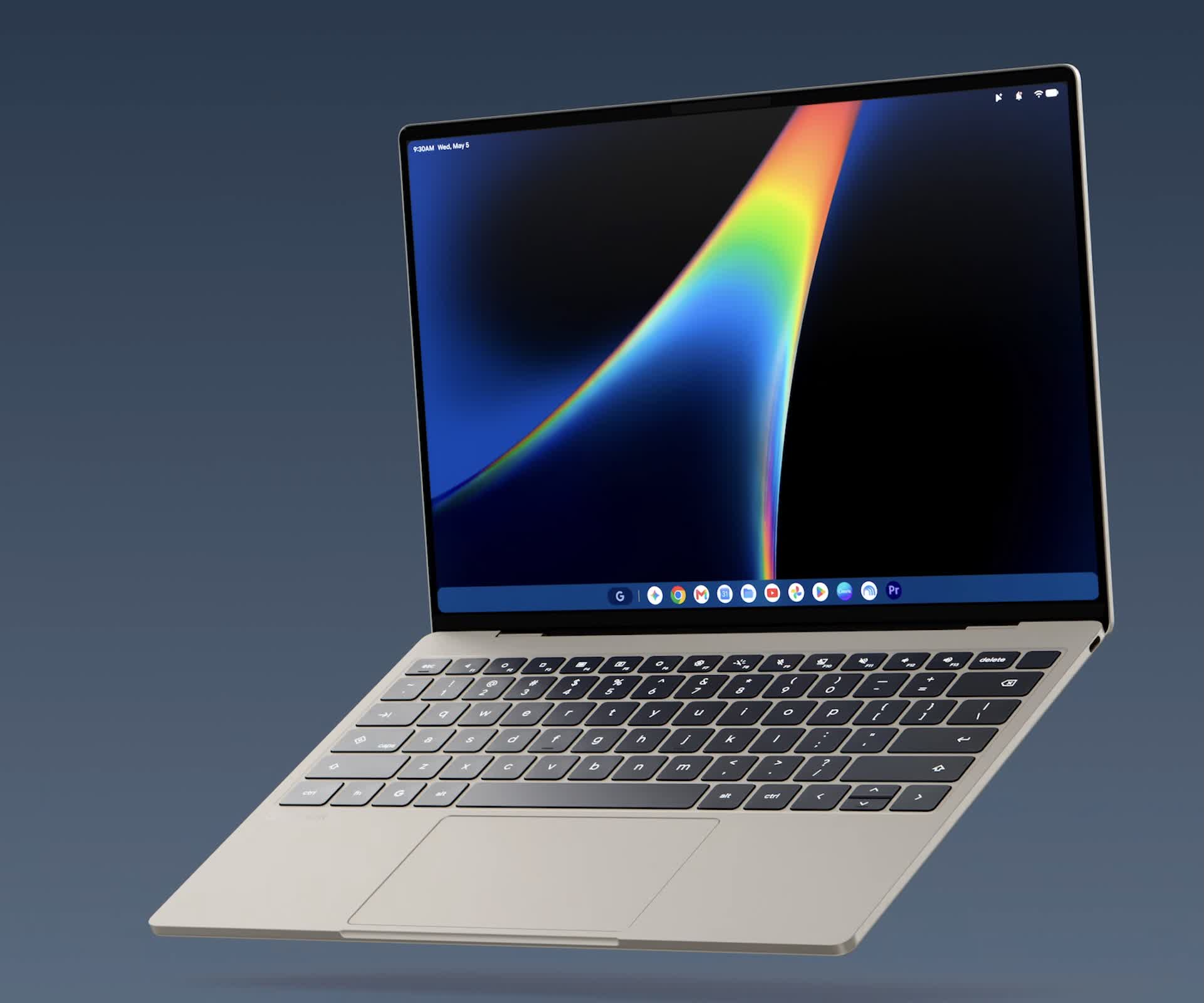
An open-source virtualization project now allows Apple Silicon Mac owners to boot ChromeOS with hardware-accelerated graphics, bypassing the need for dedicated Chromebook hardware. The tool, called gbos-vm and developed by Skylar Taylor-Barrick, automates the process of running a Dell Chromebook recovery image inside a QEMU virtual machine on macOS.
The release targets developers and enthusiasts who want to test Android-based laptop environments without purchasing separate machines. While functional enough to run a full Chrome browser, the setup strips away the hardware security architecture that defines modern Chromebooks, making it unsuitable for daily computing or handling sensitive data.
ChromeOS relies heavily on verified boot and a hardware secure element to protect encryption keys and ensure system integrity. Because gbos-vm runs on standard Mac silicon rather than a Chromebook motherboard, those protections are absent. The project rebuilds the operating system’s vendor partition using components from Cuttlefish, Google’s internal Android virtual device platform, while leaving the core system partitions untouched. That substitution allows the OS to boot in a virtualized environment but forces software implementations to handle cryptographic functions normally anchored in physical security chips.

Bridging the graphics stack presented the steepest technical hurdle. ChromeOS renders its interface using Vulkan, while Apple Silicon exclusively supports the Metal API. The project routes Vulkan calls through MoltenVK, an open-source translation layer, but direct translation was insufficient. Android shares graphics buffers between OpenGL ES and Vulkan using Linux-specific memory mechanisms unavailable on macOS. Taylor-Barrick implemented POSIX shared memory as a workaround, importing those buffers into Metal so the Mac’s GPU handles rendering instead of falling back to CPU emulation.
Texture formatting required further intervention. Metal mandates padding texture rows to 16-byte boundaries, a constraint Android does not enforce. The virtual machine applies this padding on the host side, allowing the guest operating system to process textures natively. Despite these efforts, the graphics pipeline remains incomplete. Certain WebGL content fails to render correctly because Chrome expects specific Vulkan extensions that MoltenVK cannot provide, and the display output is capped at 60 frames per second due to limitations in how the custom QEMU build exposes refresh-rate settings.
Installing gbos-vm demands a substantial development environment. Users must have an Apple Silicon Mac with a minimum of 16GB of RAM and roughly 60GB of available storage. The script requires Apple’s Xcode Command Line Tools, Homebrew, and a Java Development Kit. An Android SDK configured with the Native Development Kit, build tools, and API level 34 or higher is also mandatory. A preliminary script can verify these dependencies before the main installation begins, which pulls the Dell recovery image directly from Google’s servers and patches the hardware-specific configurations.
Peripheral support remains fragmented. Bluetooth operates strictly as a simulated radio through the optional Android Emulator, preventing connections to physical devices. Audio performance has been inconsistent during testing, and core desktop interactions such as right-click functionality, clipboard sharing between the host and guest, and stability over extended sessions have not been fully validated.
The broader context of running ChromeOS outside official hardware has historically been limited to projects like Brunch, which modifies the OS to boot natively on standard x86 PC hardware. Gbos-vm represents a distinct approach by targeting ARM-based Apple Silicon through virtualization rather than bare-metal installation, aligning with the growing developer interest in cross-platform Android environments following Google’s deeper integration of Android applications into the ChromeOS ecosystem.
The gbos-vm repository is currently hosted on GitHub, where Taylor-Barrick maintains the installation scripts and documentation outlining the known graphical anomalies and security trade-offs.