Gas Explosion in Athens’ Plaka District Kills Four Americans and Two Residents
Victims included two American couples staying near the Acropolis
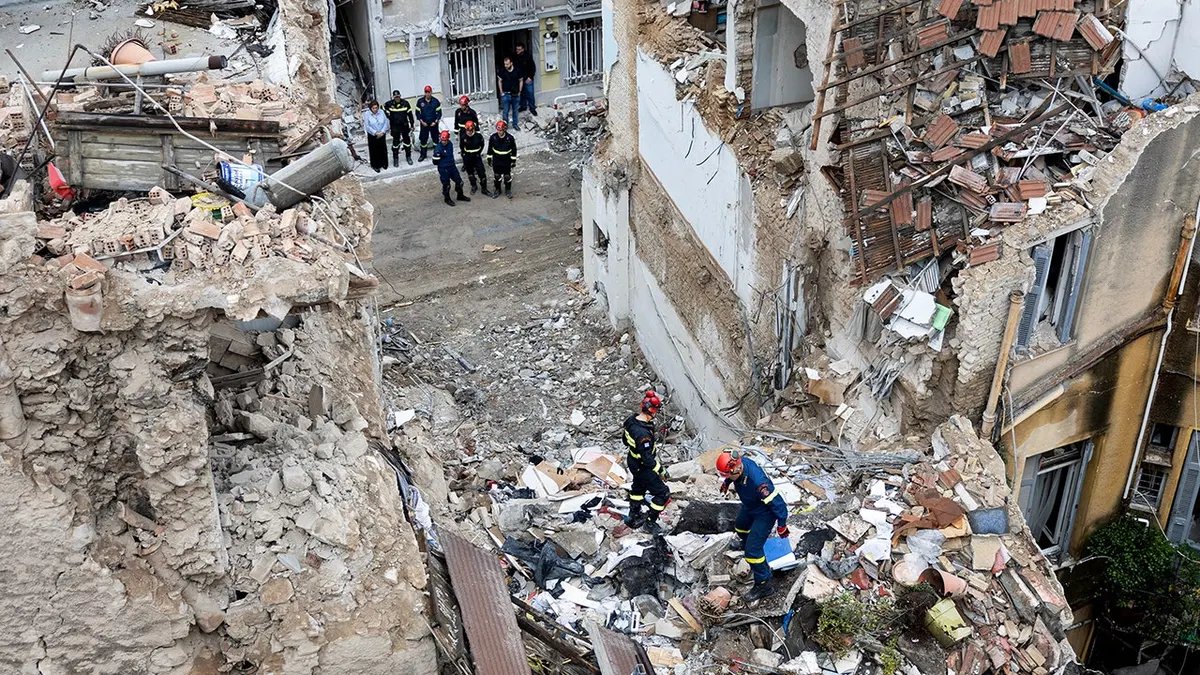
A catastrophic gas explosion leveled a two-story residential building in Athens’ historic Plaka district on Friday, killing six people. Among the dead were four American tourists—two men and two women identified as two traveling couples—who had been staying in one of the apartments. The other two victims were an elderly Greek couple who lived in the adjacent unit.
The blast occurred near the foot of the Acropolis, one of Greece’s most visited landmarks, sending debris up to three blocks away and damaging surrounding homes, shops, and vehicles. Emergency crews, including 30 firefighters and canine units, spent Saturday sifting through twisted metal and concrete to recover all six bodies. Fire brigade spokesman Vassilis Vathrakogiannis confirmed that the search operation utilized cameras and sensors to locate victims buried under the rubble.
Athens Mayor Haris Doukas stated that initial investigations point to a major gas leak as the cause, citing reports of a strong gas smell in the area prior to the detonation. Authorities continue to probe the incident, though no evidence suggests foul play at this stage. U.S. Ambassador to Greece Kimberly Guilfoyle expressed deep sadness over the loss of life, confirming the identities of the American citizens through documents and personal belongings recovered from the site.


The impact extended beyond the immediate destruction. Two women sustained injuries in a neighboring building on Lysikratous Street; residents reported they were also tourists. Nearby infrastructure suffered significant damage, forcing the pastor of a local church to announce that Sunday services would be held outdoors due to structural compromises in the sanctuary.
Plaka is known for its narrow streets, neoclassical architecture, and proximity to ancient sites like the Roman Agora and the Temple of Olympian Zeus. It has long been a hub for short-term rentals catering to international visitors. This tragedy underscores persistent safety concerns regarding aging utility infrastructure in dense urban centers across Europe, where gas leaks remain a leading cause of non-structural explosions in residential areas.