Walmart Heiress Olivia Walton Commits $100 Million to Cut U.S. Maternal Mortality in Half
Arkansas and Kansas first to receive $10M each as nonprofit targets systemic gaps in postpartum care and workforce shortages
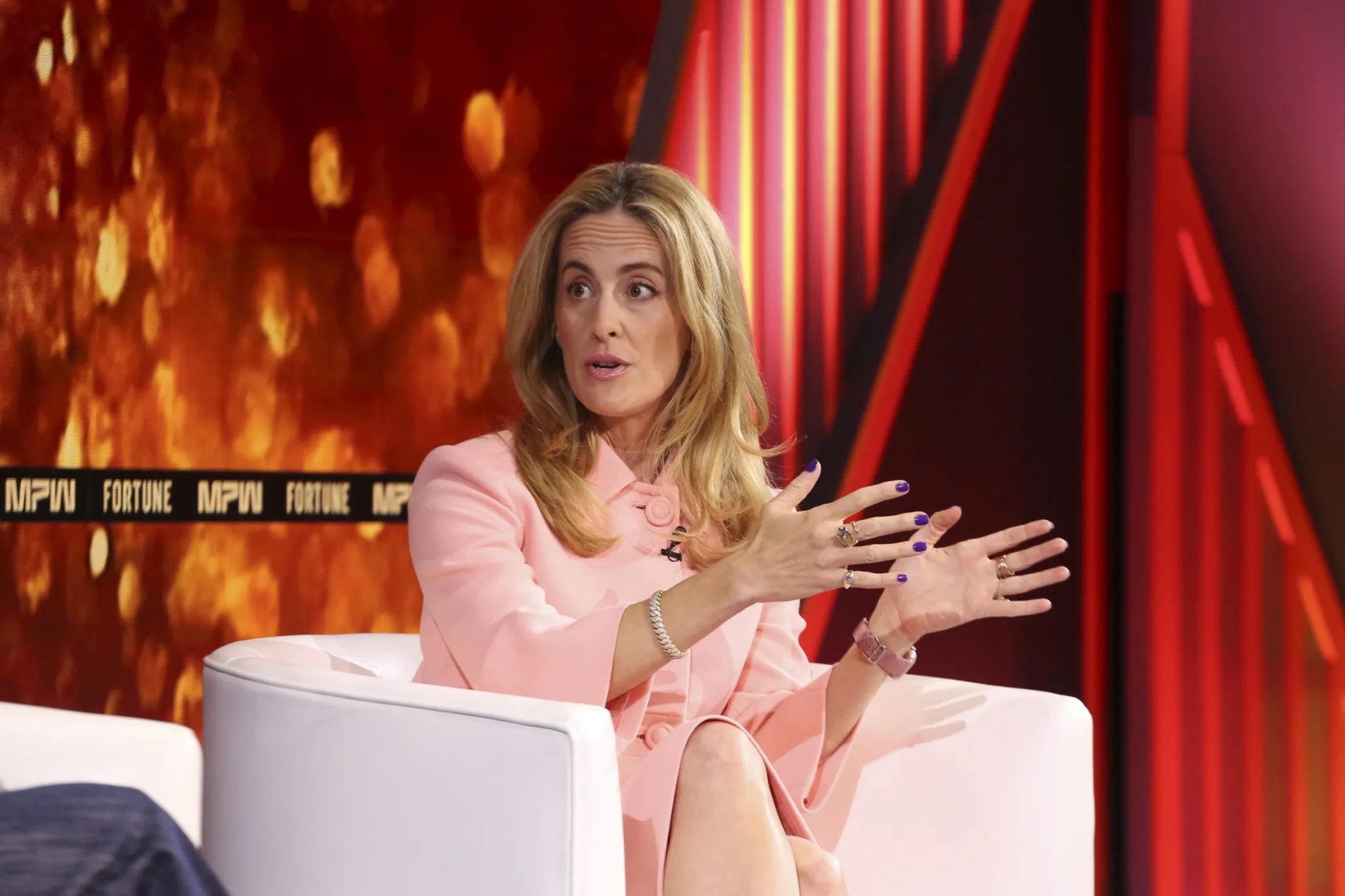
Walmart heiress Olivia Walton launched a $100 million philanthropic initiative this spring targeting the United States’ persistently high maternal mortality rate, drawing on her own experience navigating a fragmented care system despite her family’s vast resources.
The nonprofit, Healthy Moms, Healthy Babies America, aims to halve the national maternal death rate over five years through a mix of direct grants, advocacy, and coalition-building. Arkansas and Kansas will each receive $10 million in initial funding, with the remainder allocated to workforce development, policy reform, and employer-based benefit expansions.
Walton, who leads Ingeborg Investments and is a mother of three, revealed at the Fortune Most Powerful Women conference in Santa Barbara that her second child’s birth in 2020 exposed critical gaps in postpartum care in her home state of Arkansas. Despite access to the Walton family’s estimated $500 billion fortune, she said she struggled to receive adequate follow-up care — a realization that prompted her to examine systemic failures affecting women with far fewer resources.


Arkansas’ maternal mortality rate runs roughly double the national average, placing it on par with Cuba, according to Walton. Nationally, Black and Indigenous women die from pregnancy-related complications at three times the rate of white women, a disparity that has persisted for decades despite medical advances. The U.S. remains the only high-income nation where maternal mortality has risen since 2000, with 22.3 deaths per 100,000 live births in 2022 — more than double the rate in peer countries like Canada, the U.K., and France.
The initiative arrives as federal and state policy shifts threaten to widen gaps. Proposed Medicaid cuts in Congress could strip coverage from millions of low-income women, who rely on the program for more than 40% of U.S. births. Simultaneously, changes to American Medical Association billing codes risk reducing reimbursement for postpartum visits, potentially discouraging providers from offering extended follow-up care.
Walton’s strategy emphasizes expanding the maternal health workforce — particularly midwives and doulas — whose integration into care teams has been shown to reduce cesarean sections, preterm births, and maternal complications. Evidence from states like Washington and Oregon, where Medicaid covers doula services, demonstrates improved outcomes and lower costs. The nonprofit also plans to pressure large, self-insured employers to enhance pregnancy and postpartum benefits, citing data that comprehensive perinatal coverage reduces NICU admissions, emergency interventions, and long-term disability claims — ultimately lowering total healthcare expenditures.
Walton framed the issue as bipartisan: “Everybody wants healthy families.” Her husband, Tom Walton, co-chairs the effort. The couple has engaged lawmakers across the aisle on extending Medicaid postpartum coverage from 60 days to 12 months — a policy already adopted by 47 states and D.C. — and on standardizing paid family leave, which the U.S. lacks at the federal level.
The $100 million pledge, while significant, represents a fraction of the estimated $30 billion in annual excess costs tied to maternal morbidity. Walton acknowledged that philanthropy alone cannot sustain progress without structural reform. “We have the medicine, we have the science,” she said. “What we need is the political will.”
Healthy Moms, Healthy Babies America’s first grant cycle closes next month, with awards expected by year-end.