

Valve Index Discounted 20% as Steam Frame OLED Code Leaks
Leaked GitHub code details an OLED display upgrade and 120Hz testing for Valve's next standalone headset
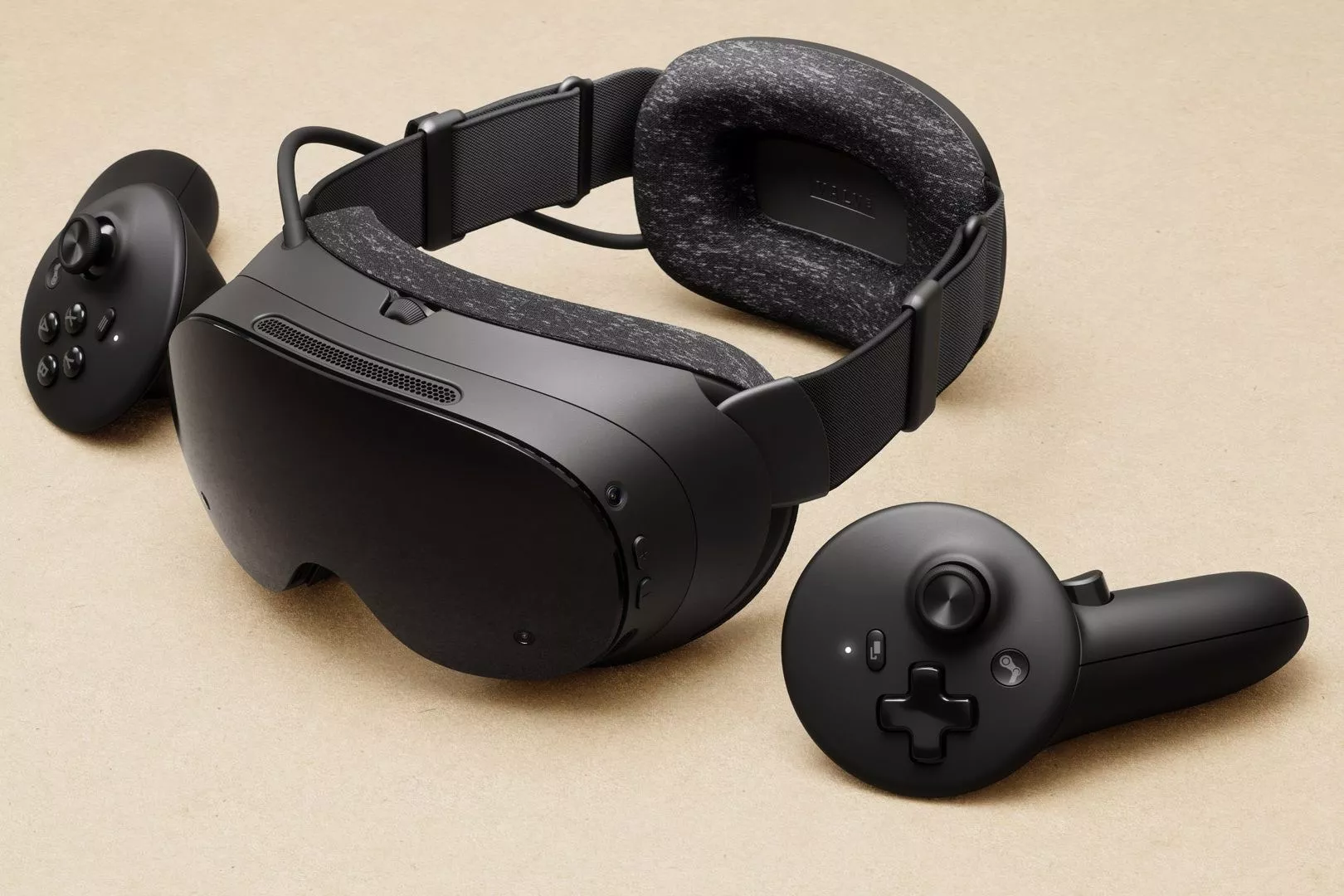
Leaked kernel source code reveals Valve is already engineering a mid-generation hardware refresh for the Steam Frame, its newly launched standalone virtual reality headset. The discovery complicates the purchasing calculus for PC VR enthusiasts just as the company liquidates remaining inventory of the discontinued Valve Index at steep discounts.
Development records embedded in the Steam Frame’s mirrored GitHub repository, dated as recently as October 2, detail an internal prototype codenamed “Plano.” The upgrade centers on replacing the current model’s 2160 × 2160 per-eye LCD panels with 3552 × 3840 MicroOLED displays. Industry analysis from Steam Frame Hub indicates these components are likely identical to the panels manufactured for the Samsung Galaxy XR headset, suggesting Valve is leveraging existing high-end mobile supply chains rather than commissioning bespoke silicon.
Plano’s architecture retains the Snapdragon 8 Gen 3 processor found in the base Steam Frame. That shared chipset creates a bandwidth bottleneck: the new OLED screens cannot run at their native resolution by default. Instead, the operating resolution caps at 1776 × 1920, with an experimental 1.5x scaling mode pushing output to 2368 × 2560. To bridge the gap between processing limits and display density, engineers are implementing foveated scaling. Unlike the current Steam Frame, which uses eye-tracking exclusively for foveated streaming to conserve wireless bandwidth during PC tethering, Plano would dynamically render only the exact pixels where the user is looking at full native resolution, saving local GPU horsepower.


The leaked code also references an experimental 120Hz refresh rate mode alongside a stable 90Hz target. Pushing 120 frames per second through a mobile-class SoC represents a significant thermal and power delivery challenge, explaining why the feature remains flagged as experimental in development builds.
This rapid iteration cycle arrives while Valve actively sunsets its first-generation VR hardware. Production of the Valve Index has ceased entirely. Remaining stock is currently discounted by 20% across the Steam storefront. The headset itself has dropped to $400, replacement tethers are priced at $103.20, and both base stations and left controllers are marked down to $120. While the original full bundle is no longer sold, purchasing all individual components now totals $741, down from the previous $926 retail price.
For buyers prioritizing immediate value over future-proofing, the clearance pricing positions the Index as a rare budget-tier option that operates entirely outside Meta’s account ecosystem. Standalone competitors like the Quest 3 and Quest 3S offer superior modern performance but mandate Facebook-linked authentication, a dealbreaker for privacy-focused users. However, those willing to pay a premium for Valve’s latest ecosystem face a difficult choice: the current Steam Frame carries a $1,060 starting price, heavily inflated by ongoing global RAM shortages affecting mobile chip procurement. Buying now means acquiring baseline hardware while a substantially denser, faster OLED variant sits in active development.









