Tesla Roadster Reservations Carry No Delivery Guarantee
Clause 4 of the reservation contract warns buyers the thruster-equipped supercar may never enter production.
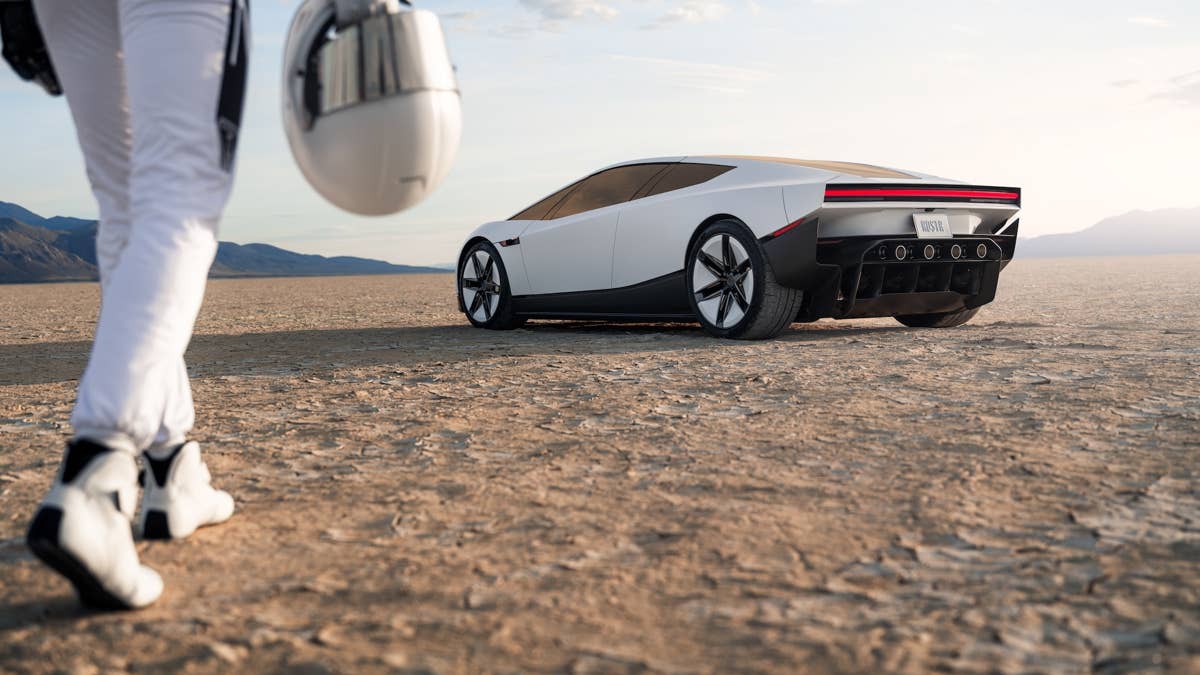
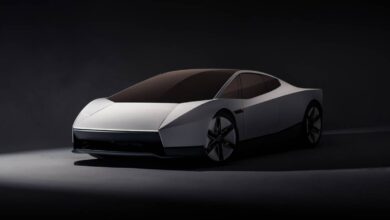
Buyers who placed deposits on the redesigned Tesla Roadster have already agreed to a contract that explicitly states the vehicle might never be delivered. Clause 4 of the reservation agreement, according to the document’s text, warns customers that the car is still under development and that Tesla “cannot guarantee when your vehicle will actually be delivered or if it will be delivered [at all].”
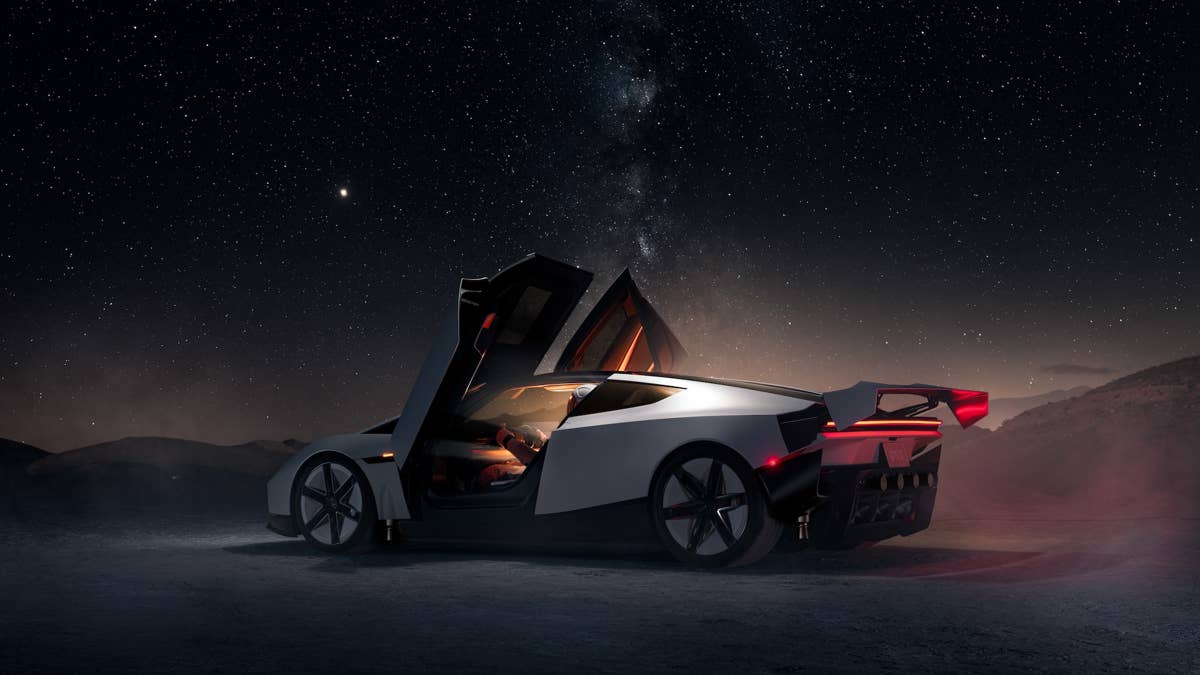
The disclosure shifts the focus from the engineering spectacle CEO Elon Musk presented last week—a coupe equipped with cold-gas thrusters capable of jumping, flipping, and reaching 330 mph—to the financial mechanics of funding its research. The base Thrust version carries a price tag of $250,000. An invite-only Rocket variant features a 200-liter carbon-overlaid pressure vessel (COPV) and four gas nozzles.
Reservation funds function as interest-free capital for Tesla during a period of heavy spending. The company reported negative cash flow of $1.1 billion in the second quarter of this year, driven mostly by capital expenditures in AI and the production of the Cybercab and the Optimus robot. SpaceX, which supplies the compression tanks and actuating elements for the Roadster, reported almost $4 billion of negative cash flow in the first half of 2026.
Musk has targeted some form of production for 2028. That timeline mirrors previous delays. The Cybertruck took four years from announcement to customer deliveries. Bugatti’s Veyron program, often cited as an automotive benchmark for loss-leading halo cars, was delayed by two years before Volkswagen Group executive Prof. Dr. Ferdinand Karl Piëch committed the necessary resources to finish it without compromise.
Regulatory hurdles present a separate barrier to street legality. The rear-facing cold-gas thrusters produce large clouds of white vapor and enough force to accelerate the car to 60 mph in half a second. Top Fuel dragsters achieve similar acceleration but require dedicated, wide lanes to operate safely. Neither the National Highway Traffic Safety Administration nor the Federal Aviation Administration currently has a framework for certifying passenger vehicles equipped with aerospace propulsion systems for public roads.
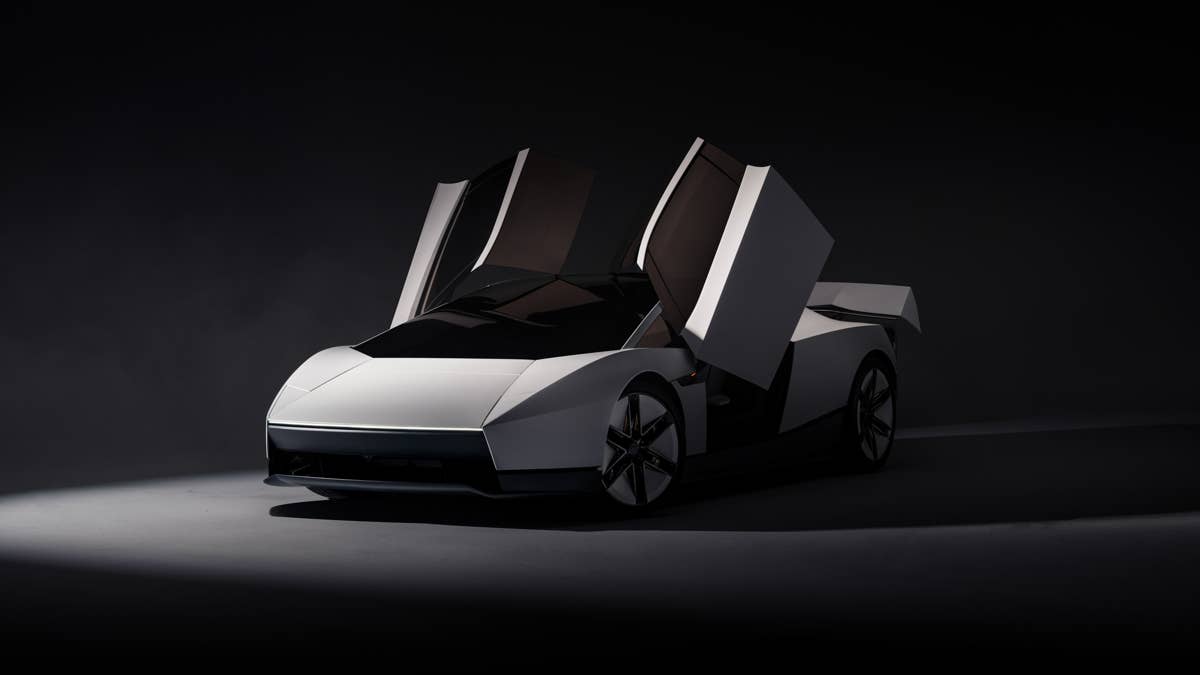
To bypass road regulations entirely, Musk proposed building a looped track where owners could use the car’s full capabilities. The demonstration vehicles shown at the launch event did not allow a view of the cabin, suggesting they were simplified models rather than complete, full-weight production prototypes.
Integrating Starlink, Grok, and SpaceX hardware into Tesla vehicles has fueled speculation about a potential corporate merger. Musk has denied the rumors. Part of his potential $1 trillion compensation package requires him to improve stock values. Tesla currently holds a $1.48 trillion market cap.
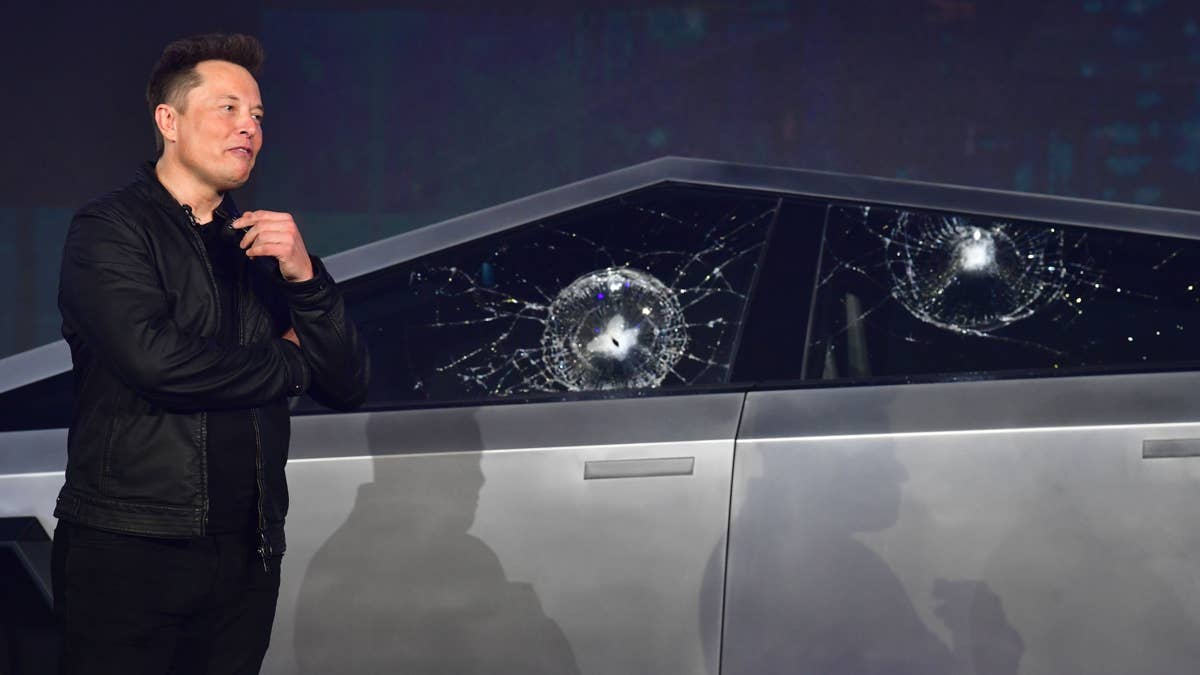
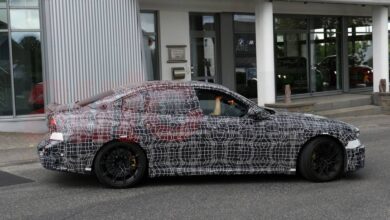
Tesla says it is working to reduce COPV refilling times from six hours to half an hour. VP of Vehicle Engineering Lars Moravy described the eventual product as the “last best driver’s car.” Model 3 Performance agility has drawn comparisons from automotive journalists to the BMW M3, though adding thruster-controlled yaw angles introduces variables no existing consumer tire or suspension system is rated to handle.