Bose Buys Skullcandy to Crack the Youth Audio Market
The undisclosed deal keeps Skullcandy independent in Utah while giving Bose access to gaming and fitness consumers.
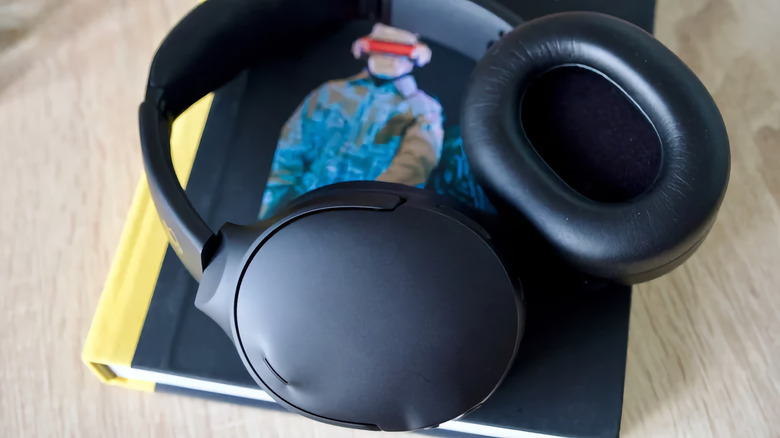
Park City, Utah, is keeping its headphone maker. Bose announced it has acquired Skullcandy, a deal that hands the Massachusetts-based audio giant a direct pipeline into gaming headsets, snowboarding culture and fitness playlists — demographics where its own noise-canceling headphones have historically struggled for relevance.
The financial terms remain undisclosed, according to a Bose press release. But the purchase formalizes an engineering relationship already visible on store shelves. Skullcandy recently shipped its Crusher 1080 headphones stamped with “Sound by Bose” branding, one of several collaborative products released over the past few years.
Skullcandy will not be absorbed into Bose’s existing product lines. It continues operating as a separate brand under the Bose consumer audio division from its founding headquarters in Park City. Bose CEO Lila Snyder framed the acquisition as part of a broader strategy to reach listeners outside the company’s traditional footprint. “For more than 60 years, Bose has been committed to delivering incredible audio experiences however and wherever people choose to listen,” Snyder said in the announcement. “As we work to reach even more people, we’re expanding how we do that, not only through Bose products, but through technology partnerships and a growing portfolio of brands.”

The structural parallels to Apple’s 2014 purchase of Beats Electronics are difficult to ignore. Apple paid $3 billion for Beats to secure streetwear credibility and dominate the bass-heavy consumer segment it had largely ceded to cheaper alternatives. Bose is executing a quieter version of the same playbook. Its core business relies heavily on premium active noise cancellation and higher price points. Skullcandy sells volume, color and lifestyle positioning.
Access to Bose’s acoustic research and manufacturing scale gives Skullcandy an immediate technical advantage over competitors like JBL or Sony’s entry-level offerings. The arrangement effectively lets Bose sell its proprietary driver technology twice: once inside its flagship QuietComfort line, and again embedded inside Skullcandy’s sub-$200 products aimed at younger buyers who prioritize durability and aesthetic over audiophile metrics.