The Picklr Files Chapter 11 Over Costly Lease Guarantees
Franchisee-led investors commit up to $4.8 million to restructure the indoor pickleball brand after corporate lease guarantees triggered insolvency.
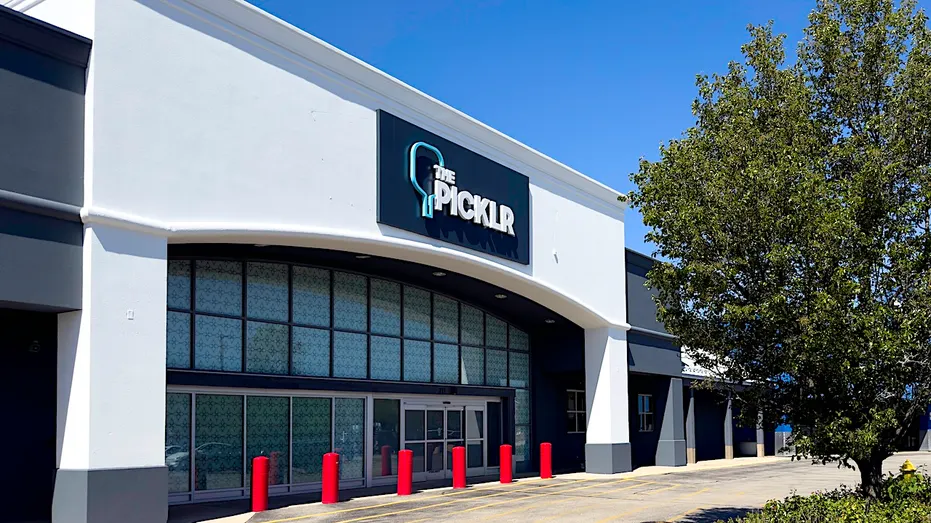
The Picklr, one of the fastest-expanding indoor pickleball franchisors in the United States, filed for Chapter 11 bankruptcy protection late Friday in the U.S. Bankruptcy Court for the Northern District of Texas. The restructuring follows a corporate strategy that left the parent company legally responsible for real estate leases across dozens of franchise locations — a liability structure that ultimately overwhelmed its balance sheet.
A debtor-in-possession financing package of roughly $4.5 million to $4.8 million has been committed by an investor group led by Tom Neale, a current Picklr franchisee and investor. The funding, which requires court approval, is intended to keep the reorganization moving while the company renegotiates terms with landlords.
The core issue traces back to the early days of The Picklr’s franchise rollout. Founder and CEO Jorge Barragan confirmed the holding company signed as a guarantor on facility leases for approximately 40 franchise locations. In commercial franchising, corporate lease guarantees are sometimes used to help new operators secure favorable real estate terms when they lack independent credit histories. However, when multiple locations underperform or face market headwinds simultaneously, the aggregate liability shifts directly onto the franchisor. For The Picklr, those obligations proved insurmountable.


Financial disclosures paint a stark picture of the strain. A balance sheet attached to the bankruptcy petition, dated Aug. 31, listed about $915,000 in assets against $2.39 million in liabilities, including a $1.5 million line of credit and an $845,000 bank loan. Cash reserves had dwindled to $70,000. Broader financial statements included in the company’s franchise disclosure document showed a net loss of $4.4 million on $10.3 million in revenue for 2025, with total liabilities reaching approximately $19 million by the end of March. Seven unsecured claims tied to guaranty obligations, totaling roughly $783,000, were listed as contingent, unliquidated and disputed — figures that do not capture the full scope of the company’s real estate exposure.
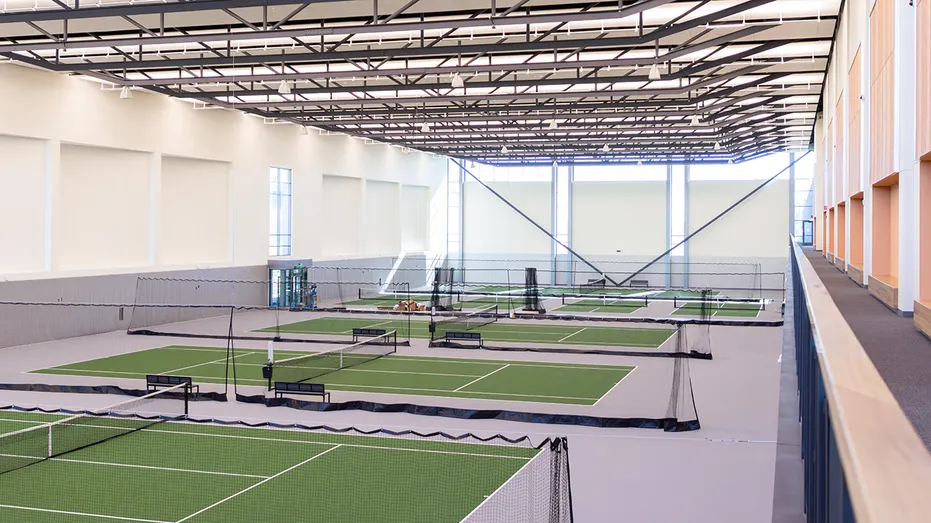
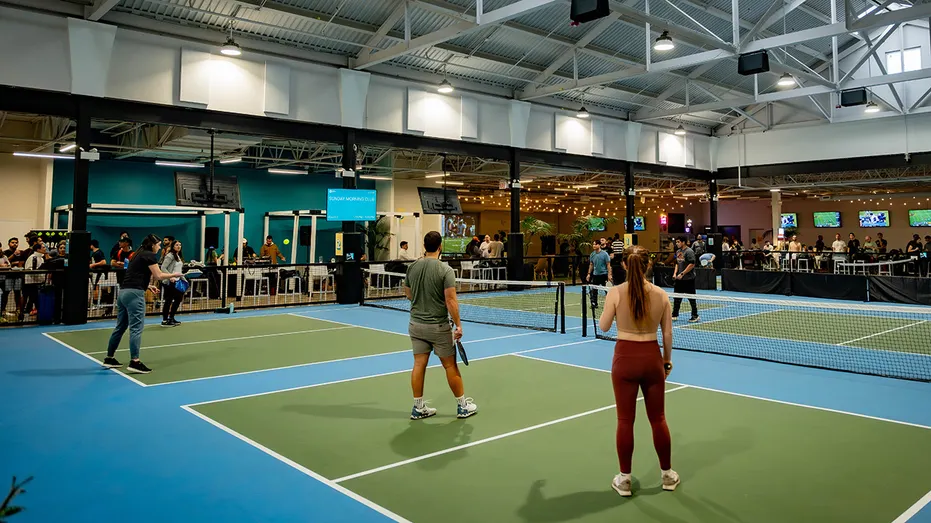
Despite the corporate filing, independently owned franchise clubs remain open. Because Chapter 11 allows a business to continue operating while it restructures its debts, members can still play and local operators retain control of their facilities. Barragan stated no locations would close as a direct result of the bankruptcy, though he anticipates some contraction across the network over the next 18 to 24 months as the industry undergoes a broader shakeout.
The Picklr was founded in 2021 and began franchising in 2023, rapidly amassing more than 70 domestic locations alongside international facilities in Australia, Canada and Japan. That velocity mirrored a wider rush across the sports facility sector. Pickleball participation in the U.S. surged past 48 million players in recent years, according to the Sports & Fitness Industry Association, drawing heavy venture capital and celebrity investment into related leagues and infrastructure. High-profile athletes including Tom Brady and LeBron James have poured money into Major League Pickleball, fueling expectations that dedicated facilities would yield rapid returns.
But building specialized indoor courts carries steep overhead. Unlike converting existing retail space into general fitness centers, dedicated pickleball facilities require high ceilings, specialized acoustic treatments to dampen the sound of hard paddles striking plastic balls, and specific HVAC configurations to manage airflow without disrupting play. These buildouts frequently cost between $1 million and $3 million per location. When paired with long-term commercial leases signed during a period of elevated industrial and retail rents, the break-even timeline for individual clubs stretches significantly longer than early projections assumed.
Barragan acknowledged earlier this year on LinkedIn, coinciding with the appointment of Abby Olson as acting president and chief operating officer, that the company “was growing faster than we could operate.” Staff reductions preceded the bankruptcy filing as part of preparations for the restructuring.
Neale, who is spearheading the investor group backing the Chapter 11 process, argued the underlying unit economics remain sound once the corporate debt structure is corrected. David Johnson, CEO of the International Association of Pickleball and Padel Facilities, noted that interim financing from insiders familiar with the operational realities should stabilize the network for franchisees globally.
The Picklr’s case now moves through the Northern District of Texas bankruptcy court, where the immediate priority will be securing approval for the debtor-in-possession financing and establishing a framework to renegotiate or reject the guaranteed leases dragging down the holding company.