Tesla’s 330 MPH Roadster Claim Faces a Brutal Physics Problem
Surpassing the 308.4 mph EV record requires overcoming exponential drag and a massive horsepower deficit against the Yangwang U9 Xtreme.
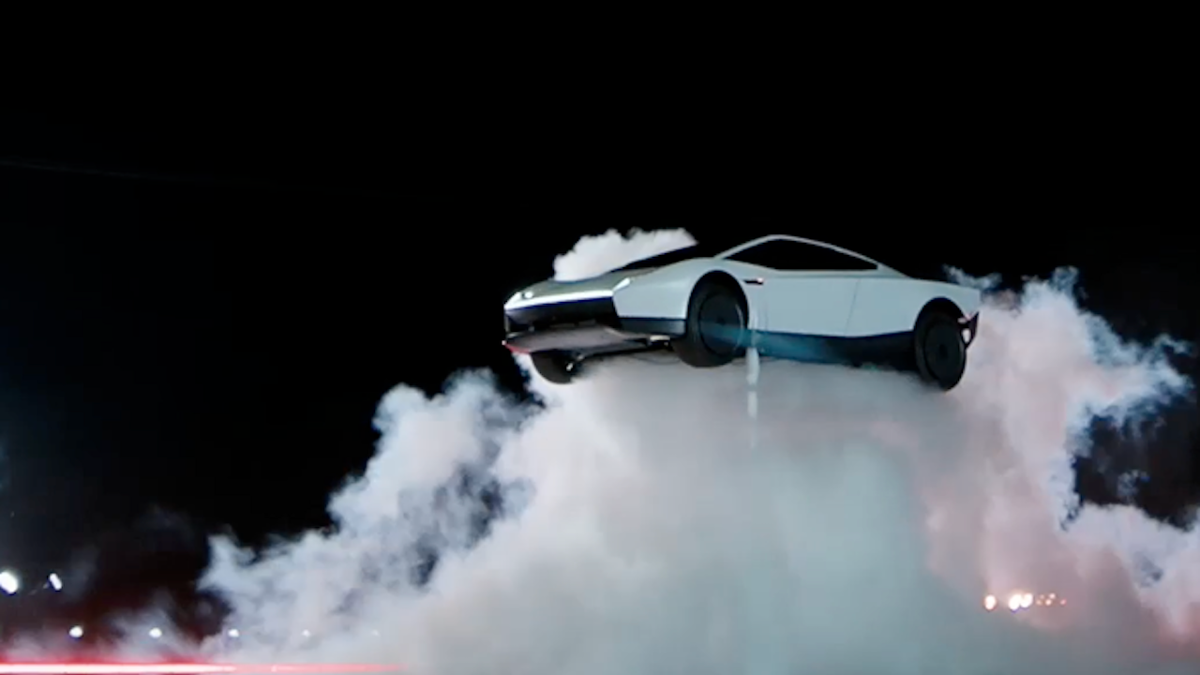
Aerodynamic drag does not scale linearly. It scales with the square of velocity, meaning the energy required to push a vehicle from 300 mph to 330 mph is exponentially greater than what it takes to go from zero to 100. For Tesla, promising a top speed of 330 mph for the upcoming Roadster Performance trim is less an engineering milestone and more a public commitment to solving one of the most punishing equations in automotive physics.
Tesla Chief Designer Franz von Holzhausen and Vehicle Engineering VP Lars Moravy outlined the target during an interview with Top Gear. The Performance variant is slated to produce 1,350 horsepower and 1,033 lb-ft of torque. The base model currently claims a top speed of 214 mph. Closing the 116-mph gap between that figure and the new target requires overcoming massive thermal and electrical barriers that no production electric vehicle has yet faced.
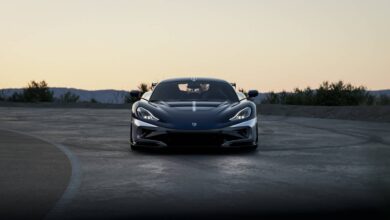
The benchmark Tesla must clear was set by BYD’s Yangwang division. The Yangwang U9 Xtreme (U9X) hit 308.4 mph at the ATP Automotive Testing Papenburg facility in Germany. That record run required 3,000 horsepower — more than double the Roadster’s stated output. Drag increases so violently past 250 mph that internal combustion hypercars like Bugatti require specialized cooling architectures just to keep their engines from melting down. Electric motors face similar thermal saturation risks, compounded by the rapid depletion of battery cells under sustained maximum discharge.


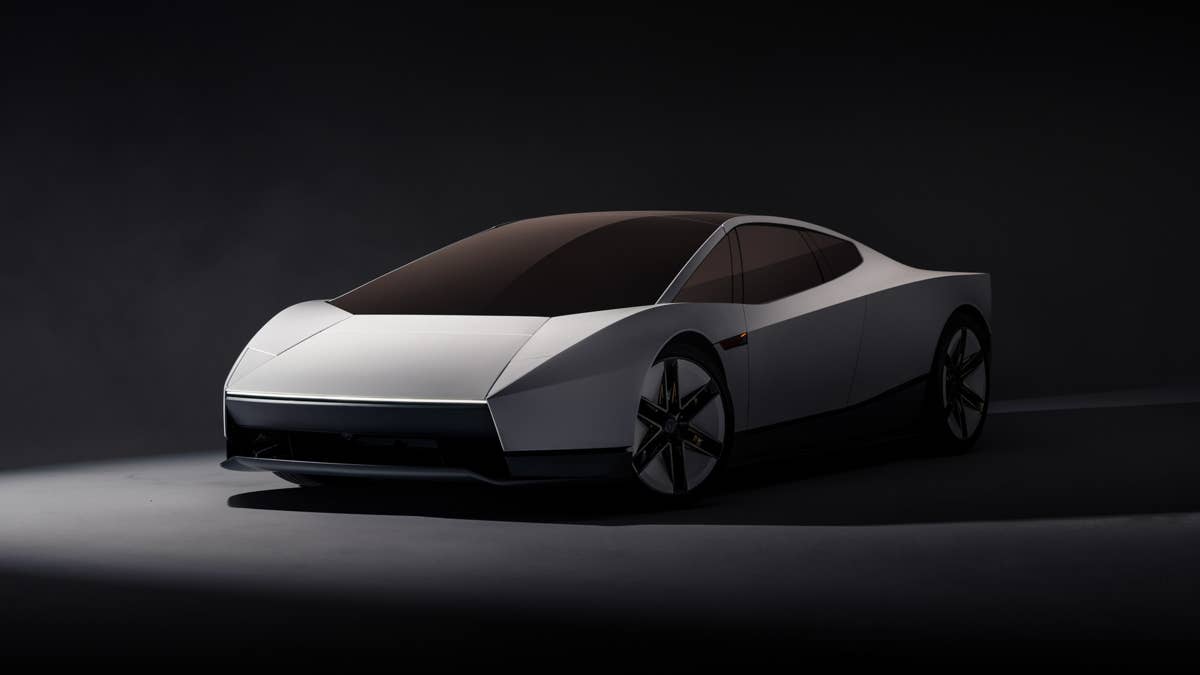
Tesla has not detailed how it intends to bridge this power deficit. Reaching 330 mph with only 1,350 horsepower would demand near-perfect aerodynamic efficiency and a radical reduction in rolling resistance, or a quiet revision of the motor output figures before the car actually hits the track. The company confirmed the Roadster weighs under 3,747 lbs in its lightest configuration. That curb weight helps acceleration but does little to offset the sheer wall of air encountered above 300 mph.
Battery specifications remain undisclosed, though Tesla states the vehicle will deliver up to 320 miles of range and support 500kW charging. A 500kW charge replenishes the pack from 10% to 80% in just under 15 minutes. Sustaining a 330 mph top speed, however, drains energy at a rate that makes standard range estimates largely irrelevant. At those velocities, a full battery would likely deplete in minutes, placing extreme stress on cell chemistry and thermal management systems.
The original second-generation Roadster was unveiled in 2017. Nearly a decade later, reservation holders are still waiting. Top Gear reported that the engineering team continues to refine the platform rather than lock in a final production specification. Pushing the top-speed goalpost to 330 mph extends that development timeline further into unproven territory.
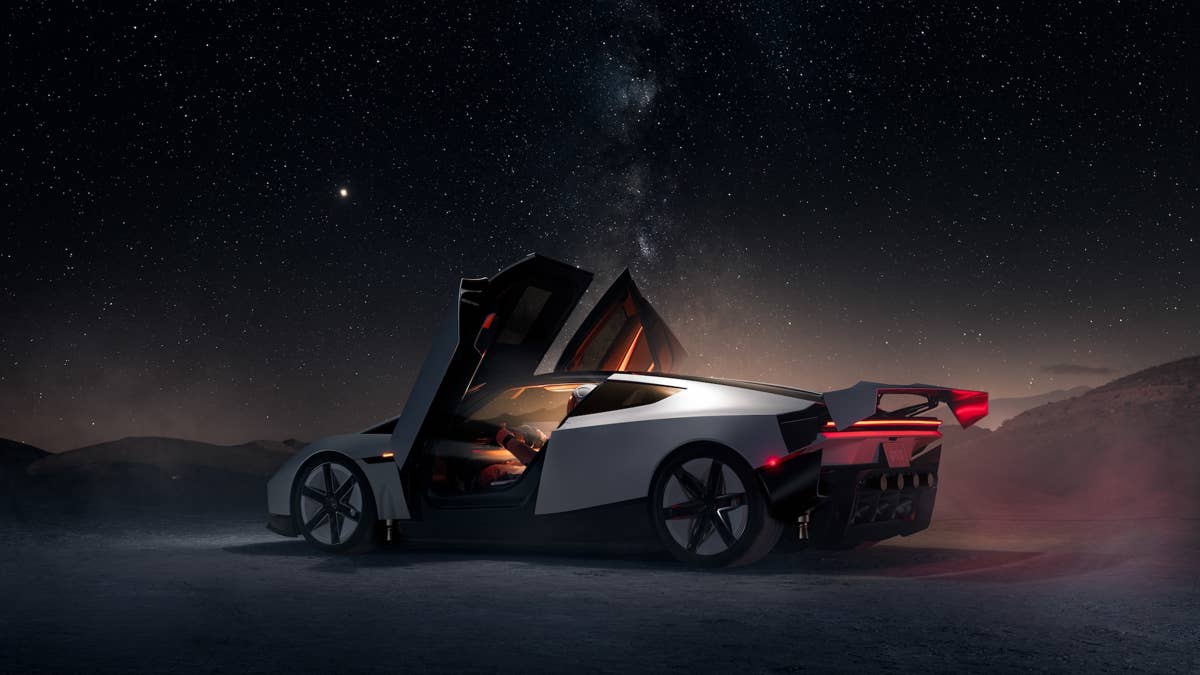
No tire manufacturer currently certifies a street-legal production tire for sustained use at 330 mph. Michelin and Pirelli developed bespoke compounds for previous land-speed records, requiring months of specialized testing. Until Tesla identifies a tire partner willing to guarantee structural integrity at that speed, the 330 mph figure remains a theoretical target rather than a drivable reality.