Ferrari Slashes EV Target in Half as Luce Design Controversy Tests Brand Loyalty
Luce design controversy and halved electrification targets reveal ultra-luxury sector's cautious pivot
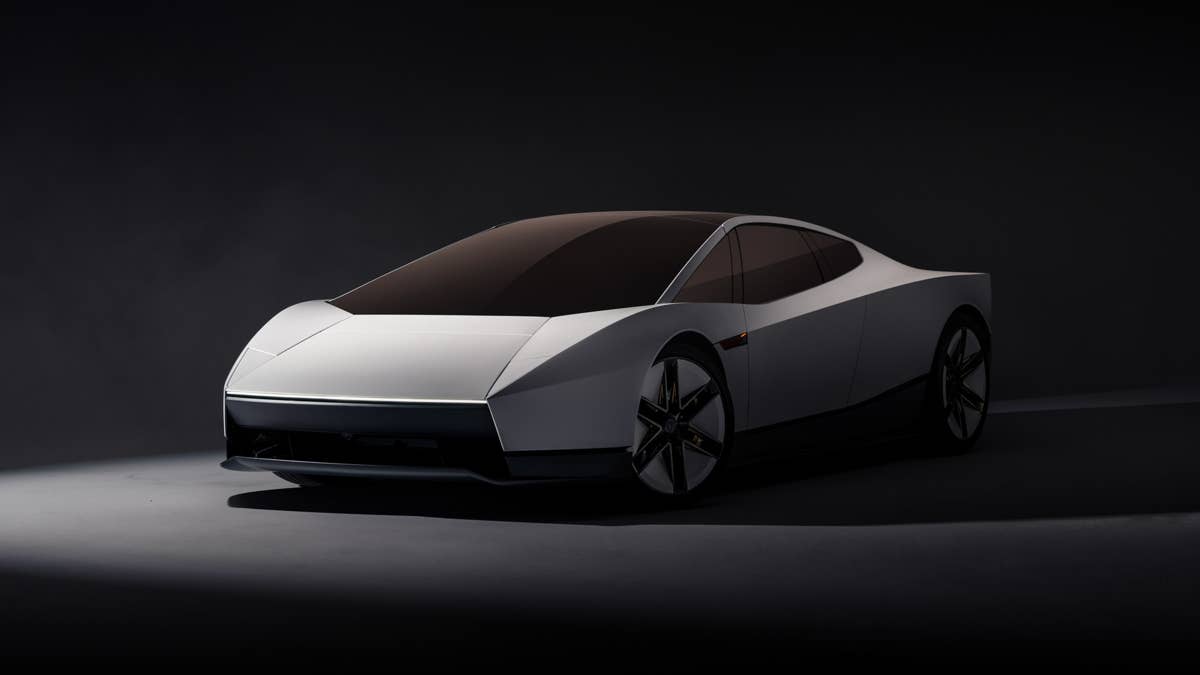
Ferrari has quietly halved its 2030 electric vehicle target, reducing the goal from 40% of its lineup to just 20%, a move that signals deepening caution across the ultra-luxury segment about the pace of EV adoption. The revision, confirmed by CEO Benedetto Vigna, comes as the company’s first all-electric model, the Luce, faces sharp criticism for a design that departs radically from the marque’s storied aesthetic.
Instead of an EV-heavy future, Ferrari now projects a three-way split by 2030: 20% battery-electric, 40% hybrid, and 40% combustion-powered — a mix that preserves the naturally aspirated V12 still offered in the new 12Cilindri. The recalibration mirrors similar pullbacks at Aston Martin and Lamborghini, where wealthy buyers have shown less urgency to electrify than mass-market consumers.
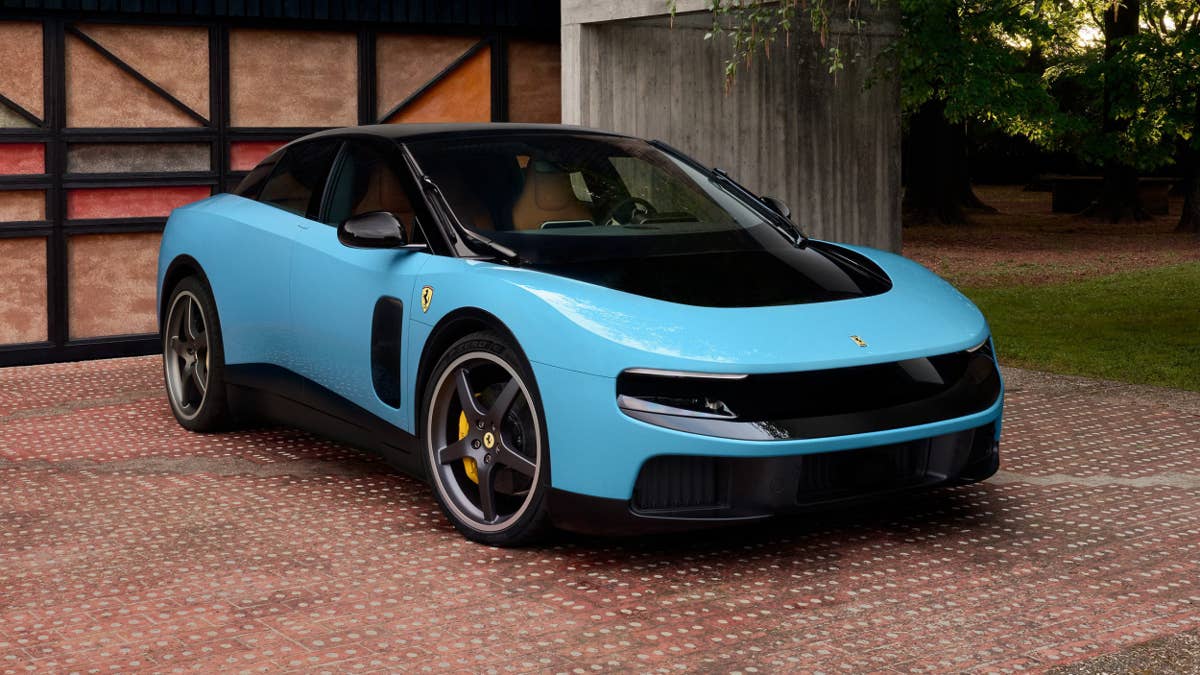

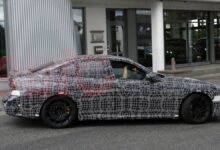
The Luce, developed in partnership with Jony Ive’s LoveFrom studio, has drawn comparisons to the Nissan Leaf for its unconventional proportions — a damaging parallel for a brand that charges a premium for exclusivity. Yet Vigna told reporters that early orders are tracking to internal expectations, suggesting the controversy may be confined to enthusiasts and media rather than actual buyers.
“If we had worked on our own, we wouldn’t have done what we did,” Vigna said of the LoveFrom collaboration, framing the radical design as a deliberate break from insular thinking. The studio, founded by the former Apple design chief, was brought in precisely to challenge Ferrari’s internal assumptions.
Against that backdrop, Vigna’s effusive praise for Tesla’s redesigned Roadster — unveiled October 15 with a demonstration of SpaceX-derived cold-gas thrusters and an underbody fan system that drove the car upside down — reads less as admiration than as strategic positioning. He rated the Roadster’s technology and presentation 10 out of 10 each, even as Ferrari rules out similar theatrical tech for its own cars.
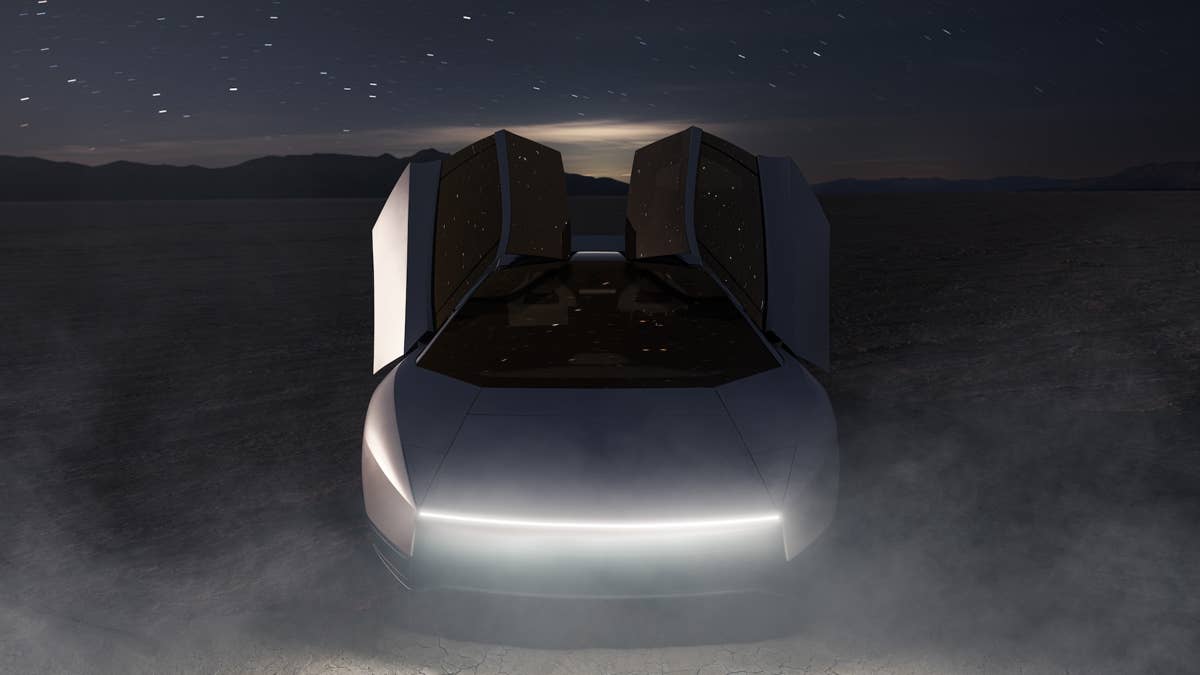
The Roadster’s debut, which overshadowed the simultaneous Porsche Mission S reveal, showcased a level of technical showmanship that Ferrari cannot match without compromising its core identity. By celebrating Tesla’s boldness while rejecting its methods, Vigna draws a line: Ferrari will innovate on its own terms, even if that means moving slower toward an electric future.
Industry analysts say the 20% EV target is realistic for a company that builds fewer than 15,000 cars annually and derives much of its value from engine sound, mechanical theater, and resale strength — attributes that do not translate easily to battery propulsion. The Luce, when it arrives, will test whether Ferrari’s clientele will follow the brand into a silent new era, or whether the prancing horse’s electrification remains a compliance exercise dressed in LoveFrom’s clothing.