Tesla’s 2028 Roadster Bets on Rocket Thrusters Over Horsepower
A 0.81-second acceleration claim and aerospace-grade downforce redefine the delayed EV project
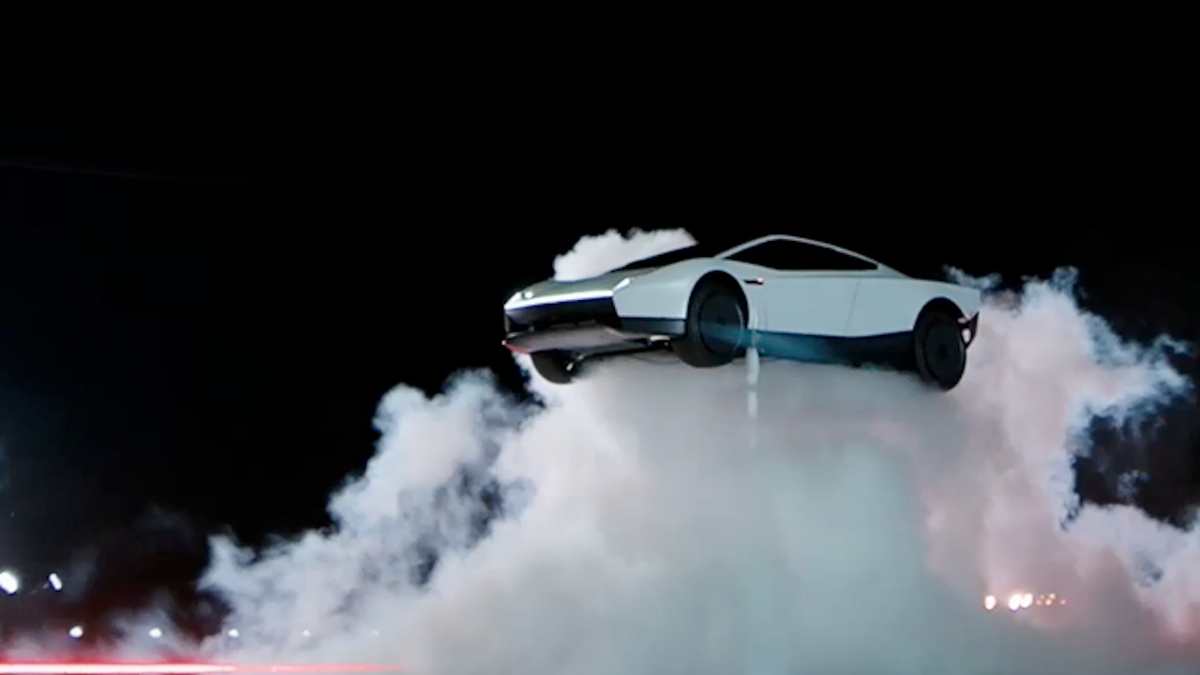
Nine years after its 2017 debut, the next-generation Tesla Roadster has shifted from a battery-electric hypercar pitch into an aerospace engineering experiment. The vehicle shown this week relies on cold-gas thrusters and a multi-mode fan system designed to generate enough suction to hold the chassis upside down — hardware that mirrors the McMurtry Spéirling more than any production sports car.
Elon Musk joked during the demonstration that the audience was standing at a safe distance in case the stunts failed. He called the prototype “better than a James Bond vehicle.”
The pivot toward active aerodynamics and rocket components reflects a broader trend among low-volume automakers chasing lap records through downforce rather than raw power. Red Bull’s RB17 track car and Gordon Murray’s T.50 both utilize massive rear fans to manipulate underbody airflow. Tesla is attempting to adapt that Formula 1-derived ground-effect philosophy for a street-legal two-seater.
Acceleration claims have escalated alongside the hardware changes. The original 2017 specification sheet promised a tri-motor setup producing over 7,300 lb-ft of torque, reaching 60 mph in 1.9 seconds. Musk now states the Roadster will hit 60 mph in one second or less. A figure of 0.81 seconds was cited during the livestream, though no timing methodology or independent verification was provided. Top speed estimates dropped from the initial promise of more than 250 mph to a stated 230 mph. No updated specification sheet accompanied the presentation to explain the reduction.
The fan system pulls air from beneath the car to improve traction and cornering at low speeds. Electrically operated actuators control the cold-gas thrusters, making rapid adjustments to stabilize the vehicle during flight. An airborne stunt was performed during the showcase. Whether these systems meet federal motor vehicle safety standards remains unaddressed by the company.
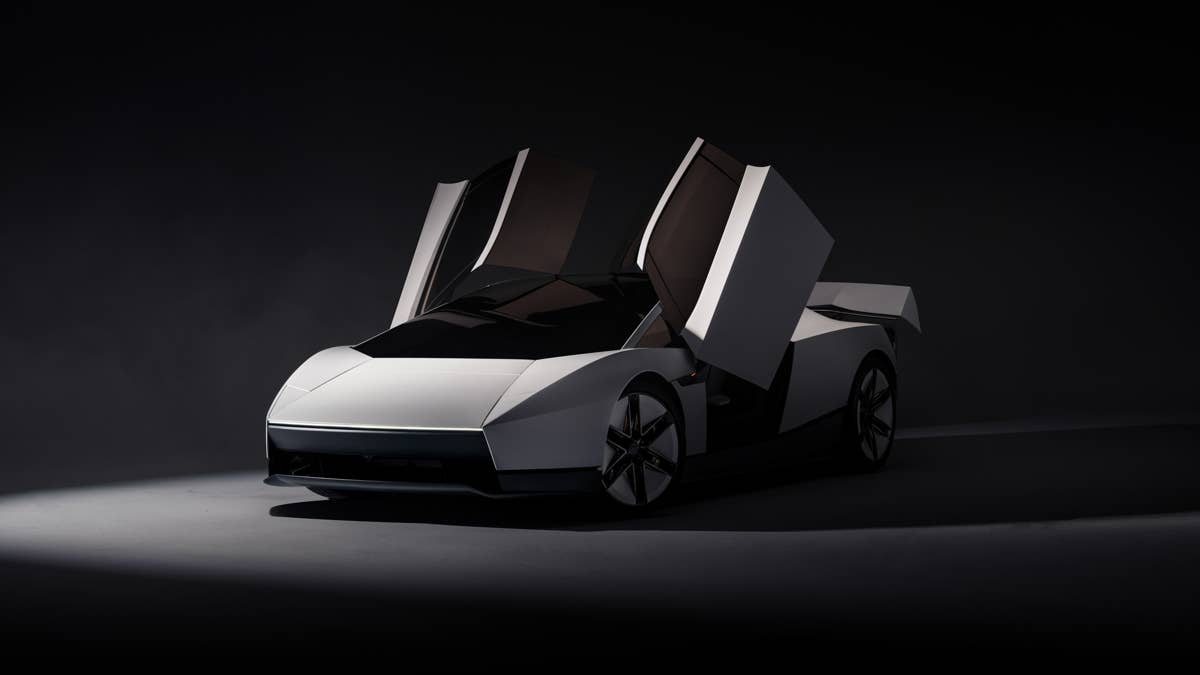
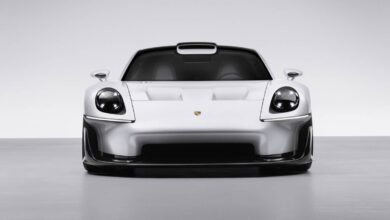
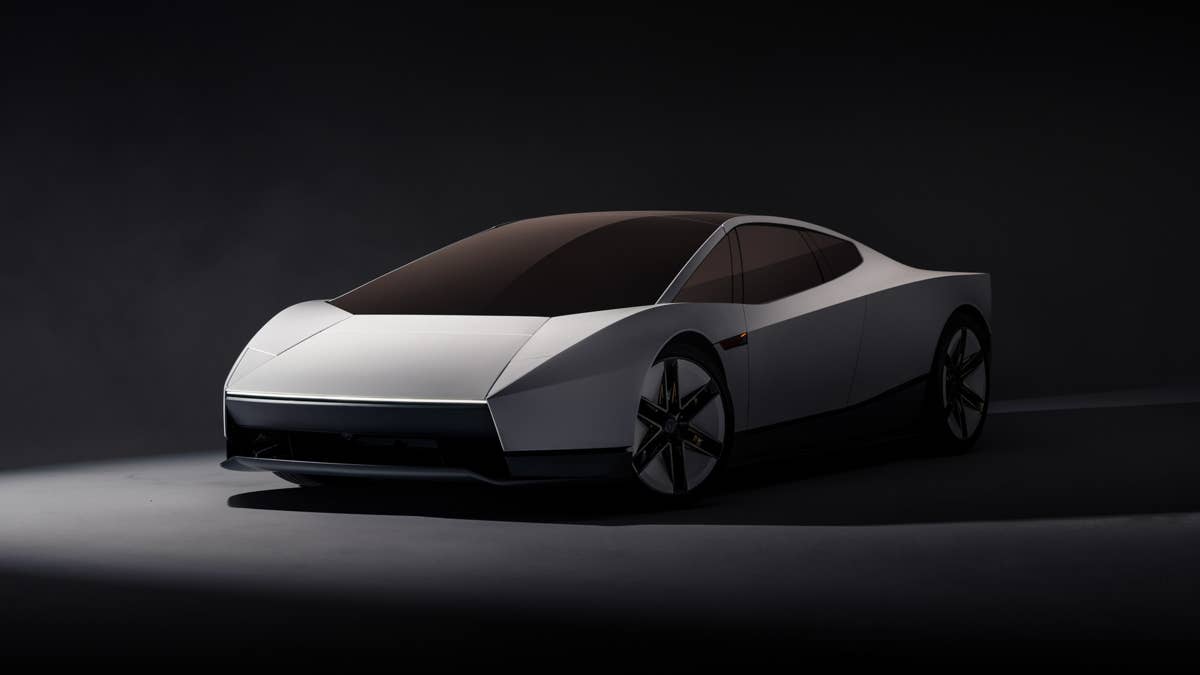
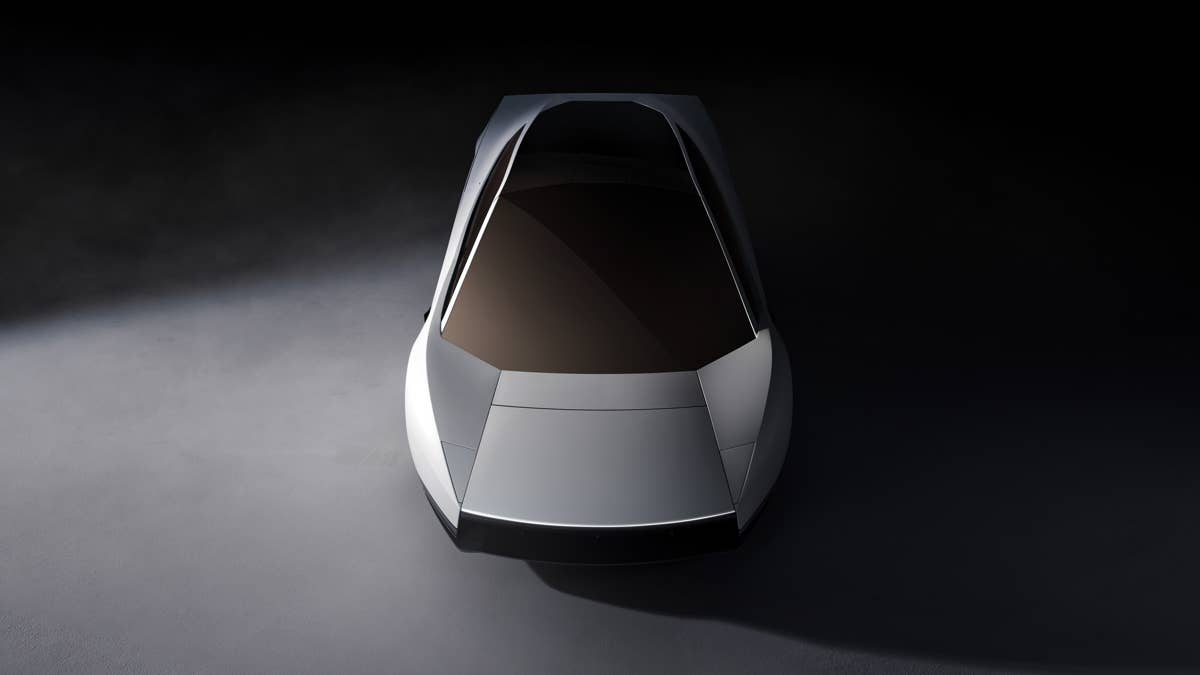
Beneath the experimental hardware sits a heavily revised exterior. The silhouette retains a low-slung profile but departs significantly from the 2017 concept. Tesla calls the design approach “hidden-aero,” incorporating concealed headlights, flush-mounted aerodynamic elements, and a full-width rear taillight. Thin-spoke lightweight wheels and an automatically adjusting rear wing manage airflow. The body wears what the company labels an Ano White finish, which it says draws inspiration from aerospace protective coatings.
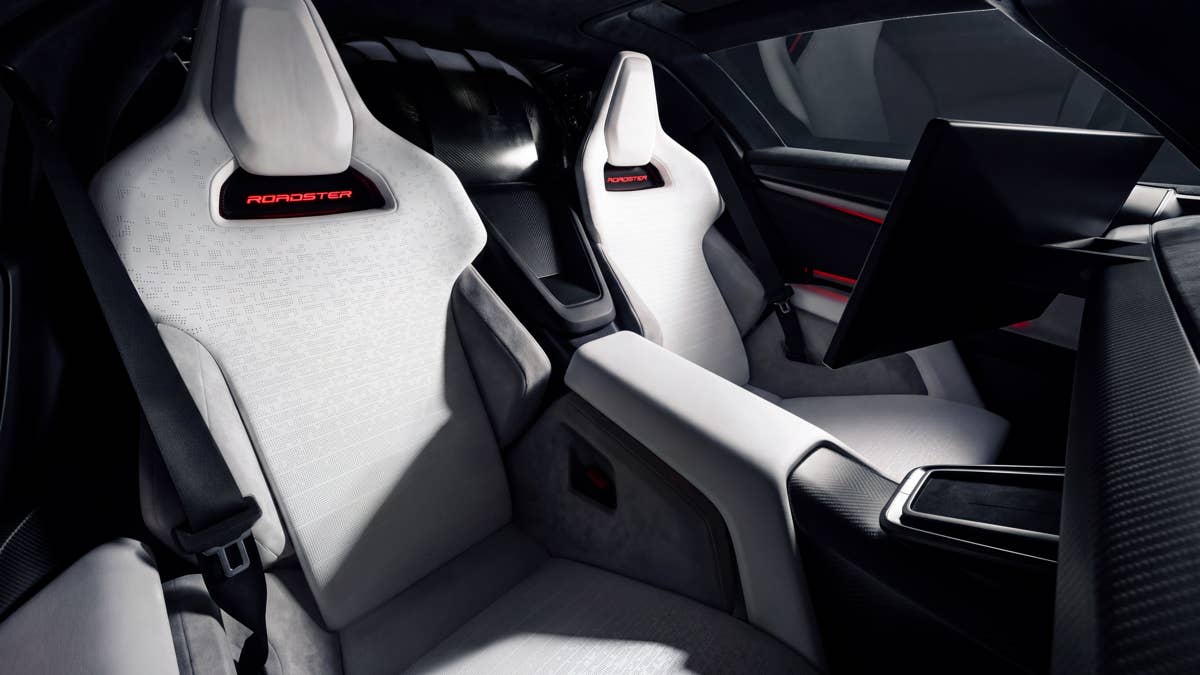
Interior details are scarce. The thrusters and fan mechanisms occupy the rear of the chassis. Steering relies entirely on a steer-by-wire system, eliminating the mechanical column connecting the wheel to the rack. Musk positioned the Roadster as a driver-focused machine rather than a platform for autonomous software, contrasting sharply with Tesla’s heavy investment in its Full Self-Driving suite across the Model S, Model 3, and Cybertruck lineups.
Production is targeted for 2028. Musk emphasized the timeline is serious, adding “for real” to the projection. The original 200-kWh battery pack and claimed 620-mile range from 2017 were not mentioned. Pricing was omitted. Tesla’s website references optional SpaceX packages integrating car and rocket technology, without detailing the contents, cost, or regulatory feasibility of those add-ons.
Reservations for the Roadster opened in 2017 at $50,000, with a limited Founders Series requiring a full $250,000 upfront payment. Those deposits have sat idle through multiple missed deadlines, including a previously announced 2020 production target.