

Rahul Vohra sold Superhuman to Grammarly after a health crisis
After a near-fatal collapse during his first acquisition, the Superhuman founder used meditation and strict health protocols to engineer an $825 million exit.
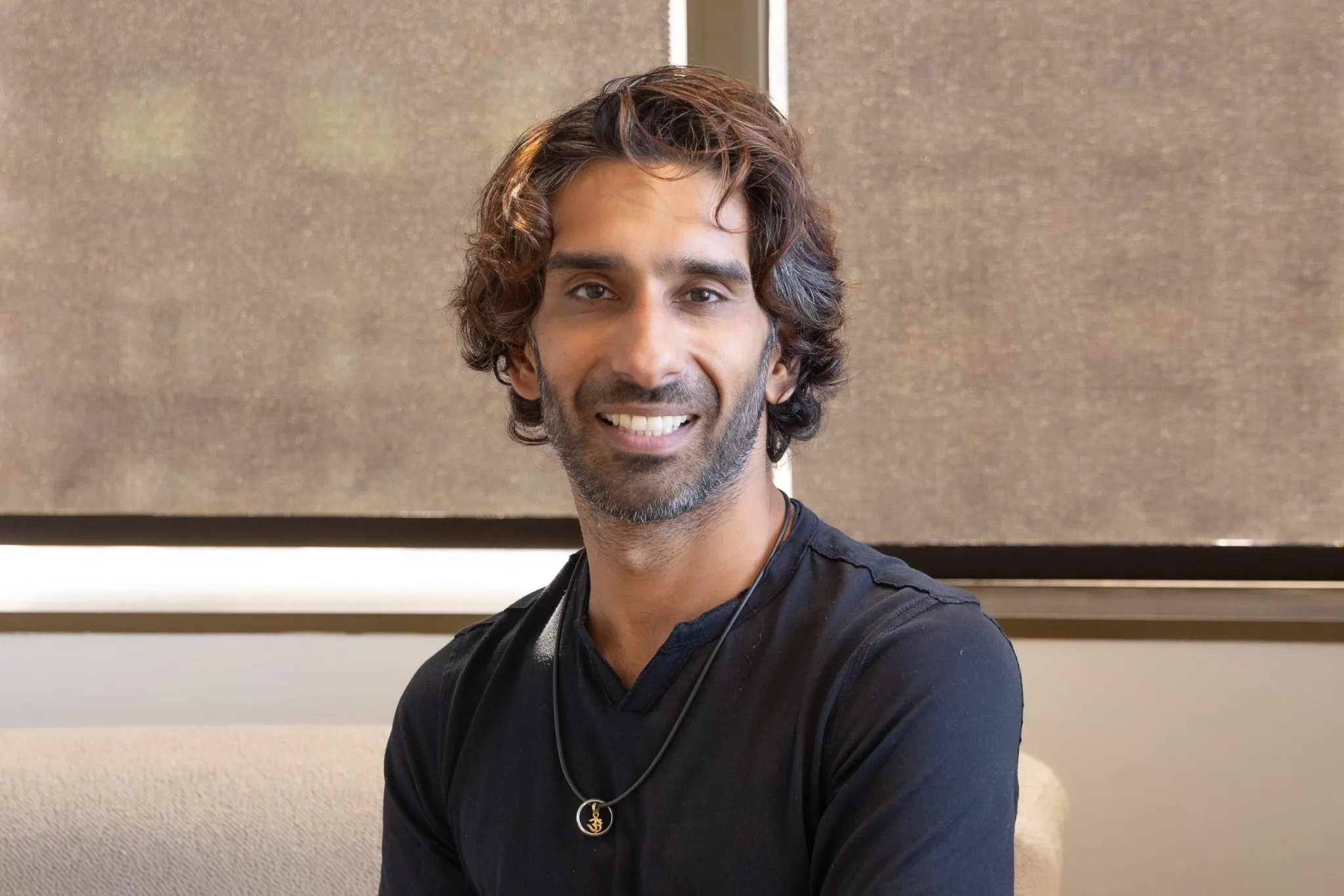
Rahul Vohra nearly died outside a San Francisco McDonald’s in 2011 while trying to close a $15 million acquisition for his first startup. Thirteen years later, he walked away from an $825 million exit to Grammarly without a single hospital visit.
The gap between those two transactions traces the evolution of Silicon Valley’s most expensive lesson: chronic founder burnout is not a prerequisite for building a high-value technology company. Vohra, now 42, spent more than a decade proving that operational discipline and physiological maintenance yield better financial outcomes than the sleep-deprived hustle culture that defined early 2010s venture capital.
His collapse during the final months of Rapportive — a browser plug-in built by a five-person team that generated exactly 14 cents in revenue over its 20-month lifespan before LinkedIn acquired it in February 2012 — resulted from untreated gastrointestinal reflux disease. Medical staff told him his internal organs resembled those of someone decades older. The diagnosis followed a diet consisting almost entirely of pizza and brownies, zero exercise, and relentless pressure from venture capitalists maneuvering around the pending sale.


Y Combinator, which backed Rapportive in its summer 2010 cohort, has since institutionalized mental health resources for founders after observing widespread physical deterioration among early-stage operators. But in 2011, accelerator culture largely treated exhaustion as a competitive advantage. Vohra returned to work immediately after collapsing, relying on painkillers supplied by a cofounder rather than seeking emergency care until the following day.
A month-long recovery period dismantled that framework. Vohra disconnected entirely from operations, reconnected with narrative video games including The Legend of Zelda and Final Fantasy, and began studying transcendental meditation under Laurent Valosek, CEO of executive coaching firm Peak Leadership Institute. The practice, rooted in the Raj tradition of India, requires personalized mantra instruction rather than guided app sessions. Vohra still meets with Valosek every two to three months.
The psychological shift altered how he negotiated with investors. Instead of absorbing pressure from venture capitalists deploying delay tactics or unfavorable terms, Vohra began terminating conversations with firms he considered dishonest. The confidence derived from baseline physiological stability became a negotiating asset.
He codified this approach when launching Superhuman in 2014 alongside Conrad Irwin and Vivek Sodera. Rather than bootstrapping through cash-flow emergencies like Rapportive, Superhuman raised more than $100 million in venture funding before reaching a $825 million valuation in 2021. That capital buffer eliminated the existential runway anxiety that had previously driven Vohra’s physical decline.
Superhuman positioned itself within a rapidly expanding market for AI-driven productivity software, competing against entrenched platforms by focusing exclusively on keyboard-shortcut efficiency and latency reduction for power users. While Microsoft Outlook and Gmail dominate enterprise volume, premium email clients targeting speed-obsessed professionals command significant subscription revenue per user. Grammarly’s 2025 acquisition of Superhuman reflected broader industry consolidation, as writing-assistance platforms expand into adjacent workflow tools to capture enterprise budgets. Following the transaction, the core product was rebranded as Superhuman Mail.
Vohra maintains direct involvement with Superhuman Mail, publishing product updates while adhering to a rigid daily architecture. His schedule includes a 30-minute morning meditation block — 20 minutes of mantra repetition followed by 10 minutes lying flat — and a secondary mid-afternoon session at 3:30 p.m. inside a dedicated office meditation room. He employs nutritionists, dieticians, and executive trainers to audit his physical metrics continuously.
Grammarly integrated Superhuman’s infrastructure into its broader suite of workplace communication tools throughout 2025, retaining Vohra in an advisory capacity over the renamed Superhuman Mail product line.









