

Apple Bets on Hand-Stitched Ads to Dodge AI Backlash
Following a string of controversial commercials, the tech giant is leveraging physical craftsmanship to rebuild consumer trust and distance itself from synthetic media.
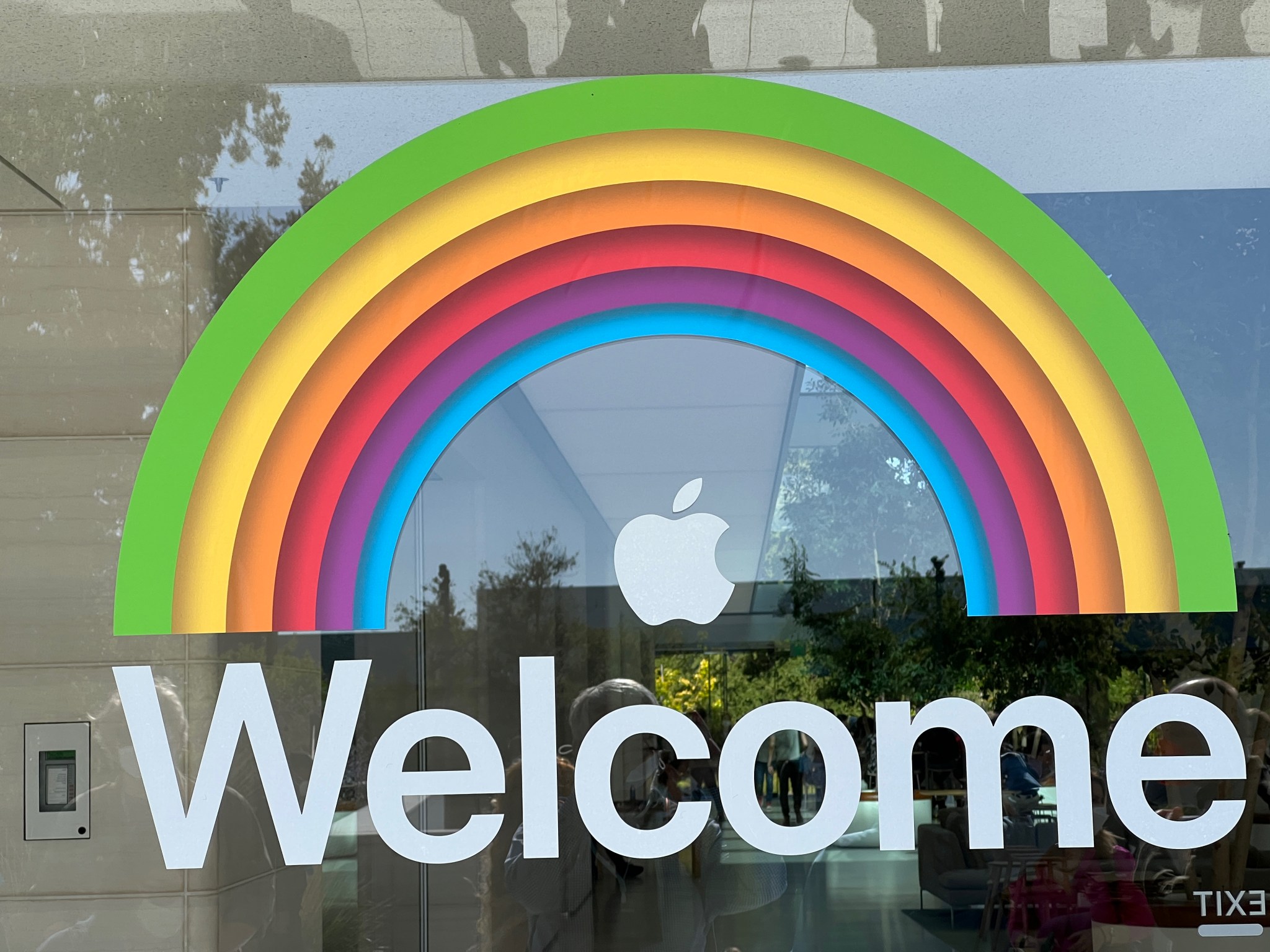
Apple’s decision to commission hand-embroidered artwork for its Oct. 13 “Welcome Home” product launch signals a broader strategic pivot by the technology giant, one driven by mounting consumer fatigue with artificial intelligence and fresh memories of recent marketing failures.
Rather than relying on generative algorithms or slick digital renders, the Cupertino company hired Sydney-based twin artists Maricor and Maricar Manzano to physically stitch the brand’s iconic 1977 rainbow logo. Apple released video footage of the needles pulling thread through fabric, emphasizing the manual labor required to form the familiar bitten apple shape. The campaign follows similar stop-motion animation efforts used to promote the Mac mini and Apple Games, where the company deliberately exposed the physical sets and human operators behind the visuals.
The shift toward visible craftsmanship arrives as Silicon Valley faces intense scrutiny over its reliance on synthetic media. Tech companies have spent billions integrating generative AI into search engines, creative software, and mobile operating systems throughout 2025 and 2026. Yet consumer tolerance for algorithmically generated commercial content is fracturing. Brands across retail, automotive, and entertainment have faced public backlash this year after audiences identified AI-generated models, distorted text, or uncanny physics in promotional materials.


For Apple, the stakes of getting advertising wrong are particularly high following a turbulent stretch of public relations missteps. In 2024, a commercial promoting the ultra-thin iPad Pro depicted musical instruments, cameras, and other creative tools being crushed beneath a hydraulic press. The ad drew immediate condemnation from musicians and filmmakers who viewed it as an endorsement of replacing human creativity with technology, forcing Apple to issue a rare apology. That same year, the company pulled a separate commercial filmed in Thailand after critics argued it relied on outdated cultural stereotypes. By 2025, Apple quietly removed “The Parent Presentation,” a video designed to teach students how to convince their parents to buy them a Mac, though the company never publicly explained the deletion.
Academic research suggests the financial logic behind pivoting away from automated imagery is sound. A joint study conducted by Ipsos and Syracuse University tested 20 advertisements with 3,000 U.S. consumers, finding that campaigns featuring human-made assets scored 14% higher on predicted short-term sales effectiveness and 17% higher on long-term brand health compared to AI-generated alternatives.
Dan Rice of Louisiana State University and Ripinka Patil of Southern Illinois University Edwardsville published related findings in the Journal of Business Research demonstrating that merely disclosing the use of AI in an advertisement alters consumer behavior. When participants viewed identical images but were told one was produced using artificial intelligence, they perceived less effort behind the work, which directly reduced their willingness to engage with the brand and lowered their assessments of product quality.
“The finished ad does not need to look different at all,” Rice said. “Even when the image looks the same, seeing the word AI can make consumers hyper-aware of the production process.”
Stijn van Osselaer, a marketing professor at Cornell University who studies the psychological relationship between buyers and makers, argues that the appeal of handmade advertising stems from a fundamental human desire for connection rather than simple technophobia. His ongoing research indicates that consumer preference for human-created content reflects an appreciation for the artisan, echoing historical commerce where buying goods directly from a local cobbler or tailor carried inherent social value.
“What we find is that it’s often not aversion to algorithms, but it’s human appreciation,” van Osselaer said. “People like things that are made by humans.”
This dynamic presents a complex challenge for the broader advertising industry. While luxury brands, artisanal food producers, and boutique manufacturers can easily leverage human labor as a core selling point, mass-market technology companies face a paradox. Consumers expect tech giants to be at the cutting edge of automation, yet simultaneously demand authentic, human-centered storytelling. Rice and Patil noted that the penalty for AI disclosure weakens when a brand’s messaging focuses on speed and efficiency, suggesting that the production method must align precisely with the intended pitch.
Van Osselaer cautioned that while handmade advertisements generate goodwill, their direct impact on hardware sales remains difficult to isolate because the craftsmanship applies to the marketing rather than the device itself. He suggested companies could eventually begin labeling products explicitly to differentiate them from synthetic competitors, proposing labels like “crafted by humans” as a future premium marker.
Neither Apple nor Maricor/Maricar responded to requests for comment regarding the campaign’s development or performance metrics. Public reaction on social media platforms has been swift, with viewers on Instagram specifically praising the embroidery video as a welcome departure from the flood of AI-generated content dominating digital feeds in 2026.









