

California Orders Lenders to Report Wildfire Payout Delays
Banks and credit unions face potential fines if they fail to explain why survivors of the Palisades and Eaton fires cannot access rebuilding funds.
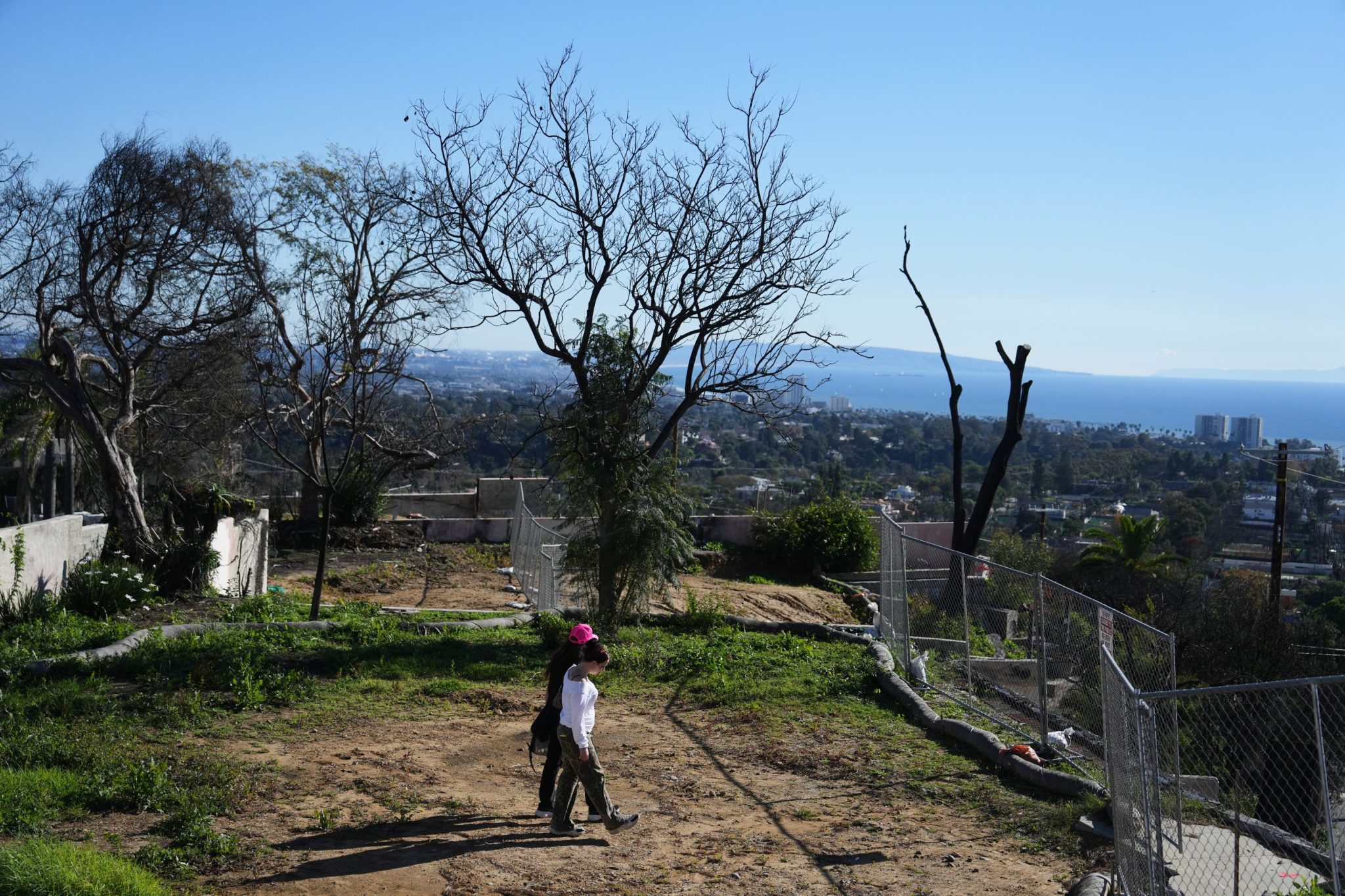
Mortgage lenders across California have two weeks to explain why wildfire survivors are still waiting for insurance money needed to rebuild homes destroyed in the 2025 Los Angeles-area fires.
The California Department of Financial Protection and Innovation, acting alongside the Business and Consumer Services Agency, issued a formal reporting order Thursday requiring banks and credit unions to detail their handling of insurance proceeds. The mandate targets a systemic bottleneck that has stalled reconstruction across Southern California since January.
When an insured property is destroyed, the insurance carrier typically issues the payout jointly to the homeowner and the mortgage lender. Because the lender holds a financial interest in the collateral, the funds land in a restricted escrow account rather than going directly to the borrower. Homeowners must then negotiate with their bank to release the capital in draws, usually tied to specific construction milestones. While standard practice protects the lender’s asset, the process routinely breaks down during mass casualty events when thousands of claims hit banking systems simultaneously.


More than 16,000 homes and structures were leveled when the Palisades and Eaton fires swept through residential neighborhoods in and around Los Angeles earlier this year. Actual rebuilding remains scarce, and state regulators point to the escrow-release process as a primary culprit.
The DFPI has logged over 160 complaints from fire survivors regarding delayed disbursements or administrative hurdles since the fires broke out. Survivors who have already navigated complex insurance claims find themselves trapped in a secondary bureaucratic loop, unable to hire contractors or purchase materials while their own funds sit idle in bank accounts.
Thursday’s enforcement action escalates a pressure campaign Gov. Gavin Newsom began in July. Newsom sent a letter to bankers’ associations and credit unions at that time, directing the state to begin tracking any institution that takes longer than 10 days to distribute insurance proceeds without establishing a plan to accelerate the timeline.
Legislative groundwork for the current crackdown was laid last year when Newsom signed a law forcing banks and credit unions to pay interest to homeowners on insurance funds held in escrow. Before that statute, lenders could retain the interest generated by large pooled disaster payouts, creating what consumer advocates argued was a perverse financial incentive to delay disbursement.
DFPI Commissioner KC Mohseni warned that the department will pursue penalties, including fines, against institutions found to be unnecessarily withholding funds.
The dispute over lender-held payouts represents only one front in a broader financial crisis surrounding California’s wildfires. Throughout Newsom’s tenure, which began in 2019 just months after the Camp Fire became the deadliest in state history, the question of who absorbs catastrophic fire losses has defied resolution. Early in his administration, Newsom brokered a multibillion-dollar utility bailout fund to cover damages caused by power company equipment. More recently, he attempted to force home insurers to assume greater financial risk in exchange for regulatory concessions, but that legislative package collapsed before the end of his final session.
Meanwhile, the underlying conditions driving these disputes continue to intensify. The 2025 fire season followed record-breaking Santa Ana wind events that overwhelmed local suppression efforts, exposing gaps not only in emergency response but in the entire post-disaster financial pipeline. Federal assistance through the Federal Emergency Management Agency provides temporary housing and initial cleanup grants, but FEMA funds cannot legally be used to satisfy mortgage obligations or replace private insurance proceeds, leaving the lender-homeowner relationship as the critical chokepoint for permanent recovery.
Lenders operating in California must now compile and submit their disbursement data to the DFPI by late October. The agency plans to use the filings to identify institutions violating the 10-day distribution benchmark and map the scale of withheld capital across the affected fire zones.









