

PS5 and Xbox Series Consoles Cool Equally Well Upright or Flat, Specifications Show
Ventilation clearance and dust removal matter more than position, while horizontal placement offers greater stability.
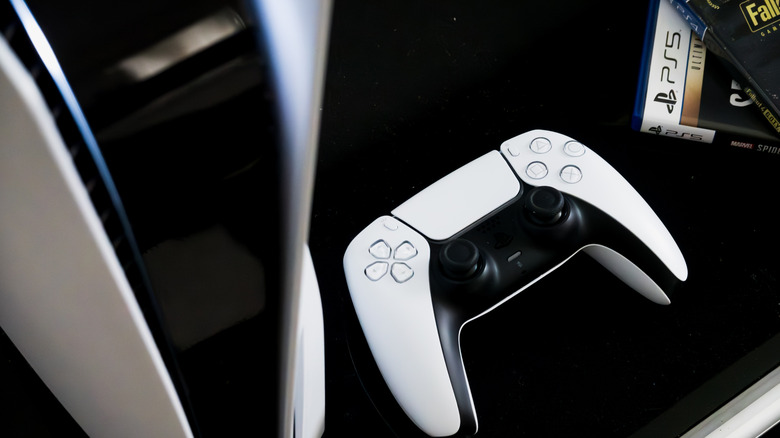
WASHINGTON — The PlayStation 5, Xbox Series X and Xbox Series S are designed to operate with equal thermal performance whether placed vertically or horizontally, according to official technical documentation and hardware specifications from Sony Group Corp. and Microsoft Corp. Internal testing confirms that orientation does not inherently change cooling efficiency. Ventilation, dust removal and physical stability remain the main considerations when choosing a position.
Both manufacturers say restrictive placement, rather than orientation, is the primary cause of thermal throttling and overheating. Their safety and installation manuals call for space around the hardware: Sony specifies a flat surface and at least 10 centimeters (approximately 4 inches) between a PS5 and surrounding walls, cabinet structures or other obstructions. Microsoft recommends 10 to 15 centimeters (4 to 6 inches) of clearance on all sides of an Xbox Series X or Series S, and says the consoles should not be enclosed in tight entertainment cabinets unless active cabinet ventilation fans are present.
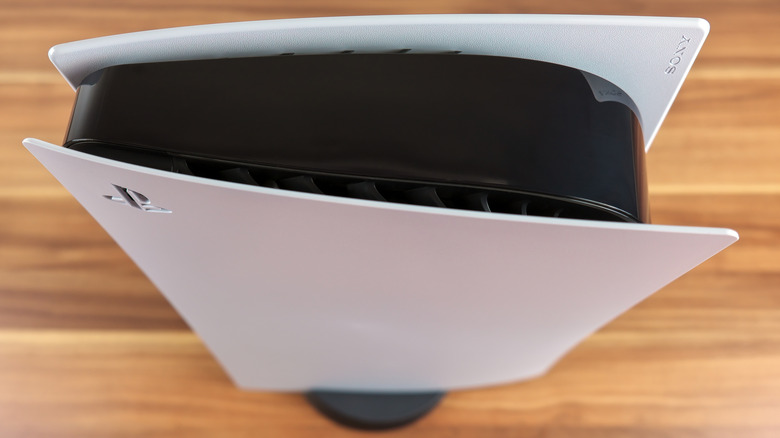

Textiles, carpet fibers and nearby media devices must not block PS5 vents. Both companies advise against putting consoles on rugs, beds or cushions, which can obstruct bottom intake vents and trap heat. Modern consoles also have thermal protection safeguards that automatically shut down the hardware if internal temperatures exceed maximum safe thresholds.
The PS5 draws air through upper intake vents with a 120mm double-sided centrifugal fan and expels it through exhaust ports along its rear spine. Between its AMD System-on-Chip (SoC) and a large copper-and-aluminum heat sink assembly sits a custom liquid metal alloy thermal interface material. Industry hardware analyses show that the liquid metal seal is vacuum-sealed at the factory, preventing migration during normal vertical operation. Hardware repair technicians linked reported leaks to third-party disassembly that damaged internal seals, not standard vertical use.
Microsoft’s Xbox Series X uses a parallel cooling architecture: cool air enters through bottom-panel grates, passes over a split motherboard and dedicated vapor chamber heatsink, and leaves through the top ventilation grill, propelled by a 130mm axial fan. Laid horizontally, it operates on the same pressure differential, taking in air from the side and exhausting it at the opposite end. The smaller Xbox Series S has a top-mounted exhaust fan and side intake vents that work identically in either position.
Position does affect the space a console occupies and its stability. Standing it vertically reduces its horizontal footprint, which can suit a narrow shelf, but raises its center of gravity and the risk of a pet or accidental impact knocking it over. Horizontal placement offers maximum mechanical stability. The original PS5 shipped with a multipurpose rotating base for both positions; revised models, including the PlayStation 5 Slim and PlayStation 5 Pro, come with minimal horizontal alignment feet, while Sony sells a vertical stand separately. The Xbox Series X has built-in rubber feet on its base and one side panel for either orientation out of the box.
Dust on fan blades and internal heatsinks reduces cooling efficiency over time. Beneath the PS5’s removable outer faceplates, Sony provides dust catchment ports. Users can remove the plastic covers without voiding the manufacturer hardware warranty and clean accumulated dust from designated triangular openings with a vacuum cleaner or soft brush. Deeper disassembly requires breaking warranty seals and risks damaging delicate internal thermal components. For routine maintenance on all platforms, intake grates can be cleared with compressed air or a low-powered vacuum while the unit is completely powered off and unplugged.
Modern optical disc drives secure physical media with spring-loaded spindle assemblies in either position. In a vertical drive configuration, a disc’s labeled side must face the console’s center spine—left on a vertical PS5. On a horizontal console, the label faces upward. Newer digital-first variants and detachable disc drive designs rely on digital license verification, eliminating physical drive orientation requirements altogether.









One Comment