Toyota’s Corolla Split: Why Four ECUs Beat Tesla’s One Supercomputer
Split electronics let Toyota swap powertrains without a full redesign
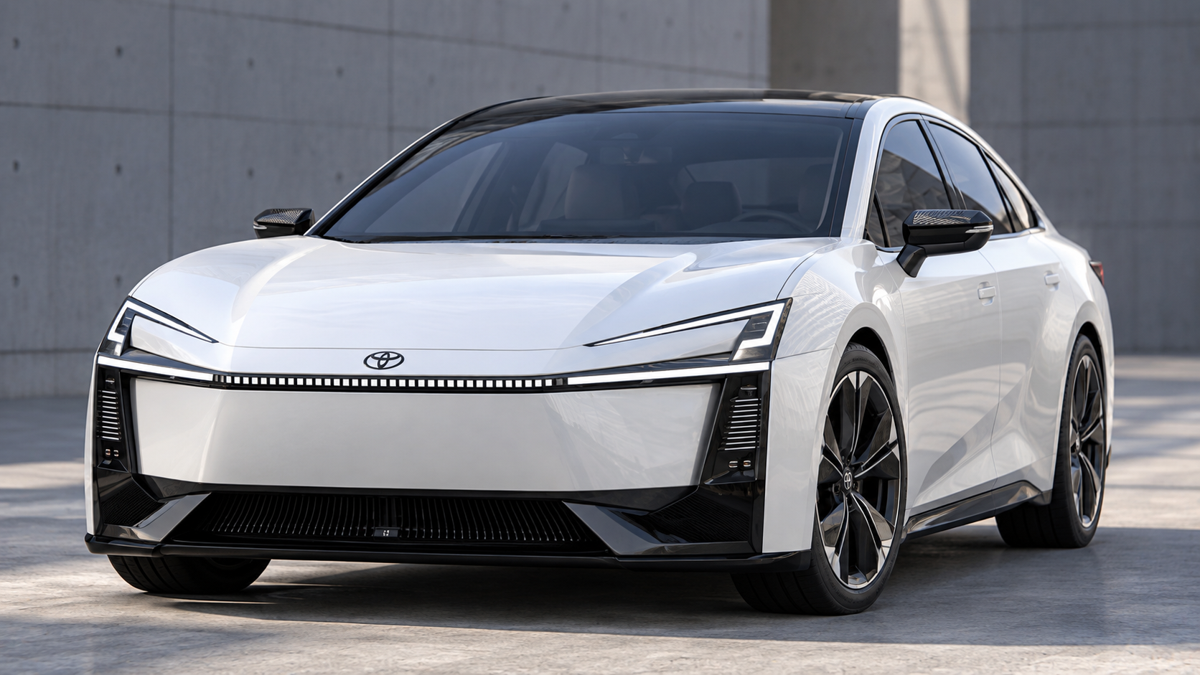
Toyota is going back to basics in the race for vehicle electronics. The 2027 Corolla, sources in Japan say, will run on four separate electronic domains instead of a single centralized computer. The move is a clear departure from the centralized-software architecture that Tesla and most Chinese EV makers adopted in the last decade.
Nikkei CrossTech reports the split covers four areas: driver-assist systems, motion control, cockpit electronics, and body electronics. A crash-avoidance module handles emergency braking. A separate unit governs steering and powertrain behavior. Infotainment and instrument clusters sit in their own cluster. Windows, lights, and door locks get yet another controller.
The point is not speed. It is engineering flexibility. Toyota is not betting everything on battery-electric cars. Under this architecture, the motion-control domain can be rewritten for a gas engine, a hybrid, a plug-in hybrid, or a pure EV without touching the infotainment or safety stack.
There is a safety logic behind the fragmentation. A radio glitch cannot take out the brakes. A faulty headlight control cannot disable the lane-keeping camera. Isolation between domains narrows the surface that a software bug or an over-the-air update can corrupt.
The tradeoff is weight and cost. Four controllers mean more wiring harnesses, more connectors, more control units, and no economies of scale on the hardware. A centralized supercomputer, by contrast, can do the work of several ECU boxes in a single silicon package. Toyota is accepting that penalty to keep its platform flexible across multiple powertrains.
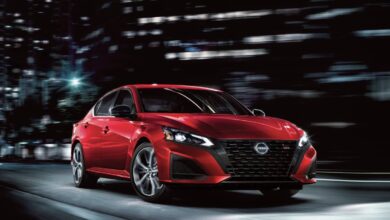
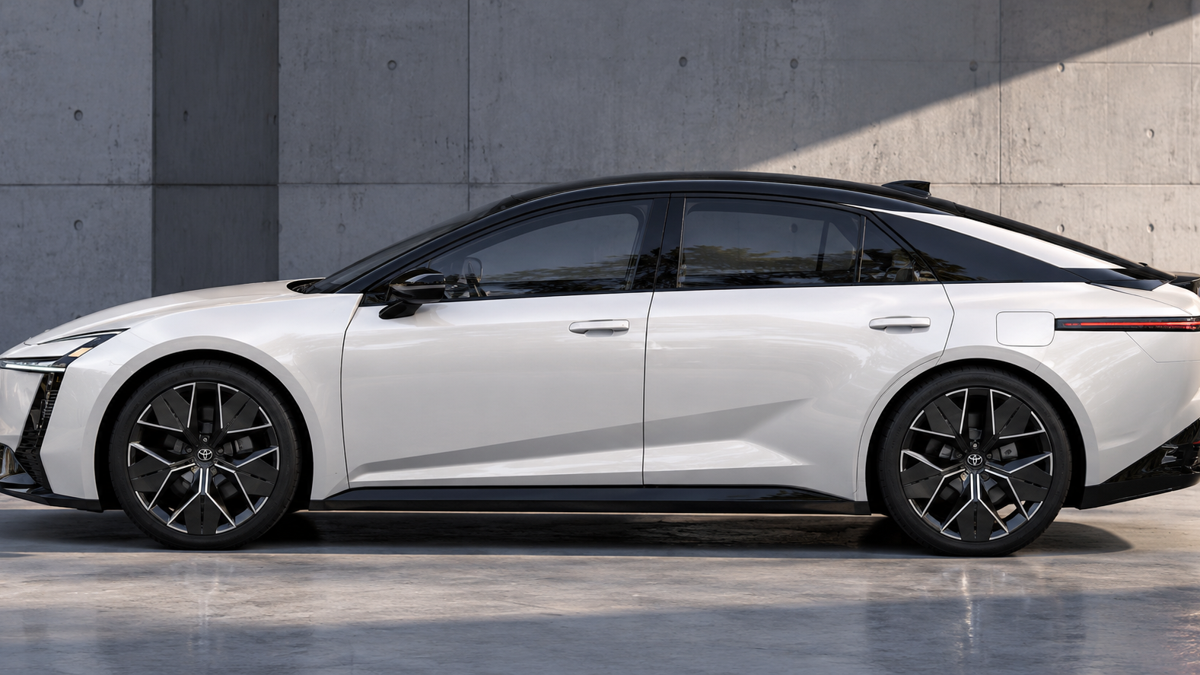 Disclaimer: not an official rendering
AI-generated image/Autoblog
The Corolla is expected to launch in 2027 with the sedan first, reportedly carrying a new 1.5-liter four-cylinder engine and a hybrid variant. Toyota has not confirmed claims of roughly 70 mpg for the hybrid, and it has not disclosed the exact timing.
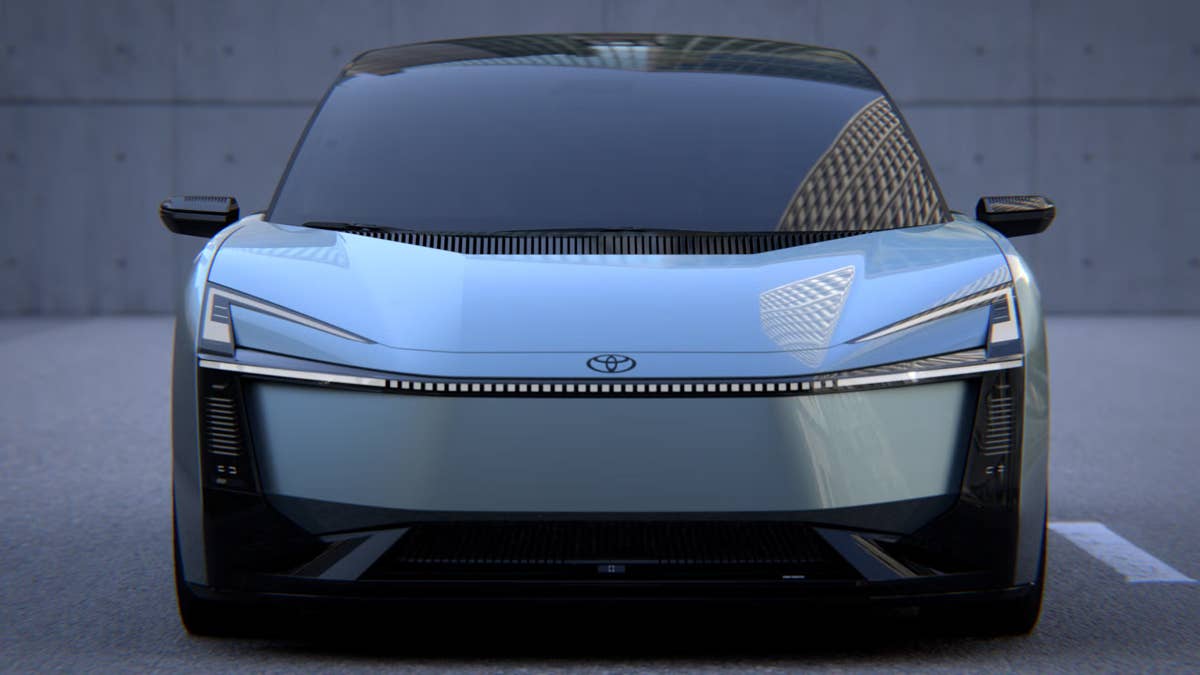
Toyota
The architecture decision arrives as competitors converge on fewer, more powerful computers. Tesla’s vehicles already run most functions through a single compute platform, and Chinese manufacturers have followed the same path. Toyota’s choice suggests a different timeline: build the electronics once, retune the motion domain for each powertrain, and roll out a gas, hybrid, plug-in, or electric Corolla without a full redesign.