

Pegboard Tool Storage: The Visual Rule That Ends Garage Clutter
Proper hole spacing, furring strips and material selection determine whether a visual workshop display succeeds or fails.
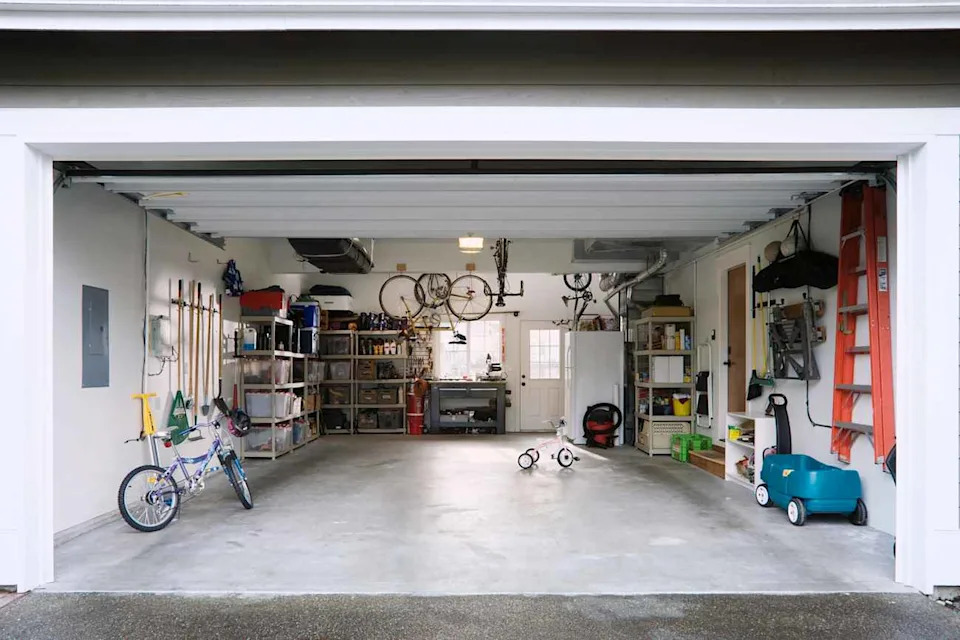
Garage clutter costs American homeowners more than just square footage. Misplaced tools, duplicate purchases and hours spent searching for a single wrench drain time and money every weekend. A visual storage approach built around pegboard systems offers one of the most direct solutions to this chronic problem, relying on a straightforward principle: items hidden inside opaque bins rarely get used.
The concept traces back to mid-20th-century workshop design. Pegboards — typically made from perforated hardboard, metal or high-density plastic — became standard in professional machine shops and garages during the 1950s and 1960s. Unlike closed cabinetry, which obscures inventory, open-wall displays force immediate visual accountability. If a tool is missing from its designated hook, the gap is instantly noticeable. This prevents the slow accumulation of redundant equipment that plagues enclosed storage spaces where duplicates are easily forgotten.
Implementing an open-wall system requires more precision than simply nailing a board to a stud. Standard perforated hardboard uses either 1/4-inch or 1/8-inch hole spacing. Hooks manufactured for the larger diameter will not fit the smaller grid, a mismatch that routinely derails DIY installations. The board itself cannot sit flush against a wall. It requires furring strips — thin pieces of wood or spacers — mounted behind it to create a gap of at least half an inch. Without this standoff space, the L-shaped hooks have no room to lock into the perforations, causing them to fall out under the weight of heavy hand tools.


Material selection dictates the lifespan of the setup. Traditional Masonite-style fiberboard sags over time, particularly in unconditioned garages exposed to humidity and temperature swings. Metal pegboards, usually constructed from galvanized steel or aluminum, carry a higher upfront cost but resist warping entirely and support significantly heavier loads, making them the preferred choice for power tools and dense hardware collections.
Before any drilling begins, the existing inventory demands a strict audit. Professional organizers recommend sorting current supplies into three categories: active use, donation and disposal. Retaining multiple identical items, such as redundant measuring tapes or worn-out screwdrivers, defeats the purpose of a visual system by crowding the board and reducing readability. Only functional, frequently accessed gear earns wall space. Seasonal or highly specialized equipment often belongs in labeled, sealed containers stored elsewhere.
Layout strategy matters as much as the hardware. High-frequency tools should occupy the zone between waist and eye level, minimizing reaching and bending. Heavier items like hammers, drills and cordless batteries belong lower on the board to reduce stress on the fasteners and the wall anchors. Grouping implements by task — electrical work, plumbing, woodworking — creates intuitive zones that speed up project preparation. Small parts, including loose screws, nails and drill bits, require accessory baskets or magnetic strips rather than standard hooks.
Mounting directly into masonry or brick requires specific anchors. Concrete screws or lead expansion shields provide the necessary holding strength, whereas standard drywall anchors will pull out under the leverage exerted by hanging tools. Using leftover dimensional lumber, such as pine offcuts, as a mounting frame distributes the weight across a broader surface area and simplifies leveling.
The financial barrier to entry remains low compared to commercial garage cabinet systems, which routinely exceed several thousand dollars for a basic installation. Clearance pegboard panels can be sourced for under $10, while comprehensive hook and basket sets generally range from $15 to $30 depending on the piece count and material quality. For homeowners managing tight renovation budgets, the return on investment comes through recovered floor space and the elimination of repeat tool purchases.
Beyond pure utility, visible tool storage alters how a workspace functions psychologically. Workshops organized with open displays frequently transition from neglected storage closets into active, usable rooms. When equipment is displayed rather than buried, maintenance becomes easier, and the space invites regular use rather than avoidance.
Retailers including Home Depot, Lowe’s and IKEA currently stock both traditional fiberboard and modular metal wall-track systems, with metal variants seeing increased market share as homeowners prioritize durability over initial savings.









