

Microsoft Drops Copilot+ PC Branding as AI Laptop Strategy Pivots Toward Hardware Stability
New Surface laptops meet all original AI hardware requirements but drop the controversial label after widespread criticism of Recall and forced Windows 11 integrations.
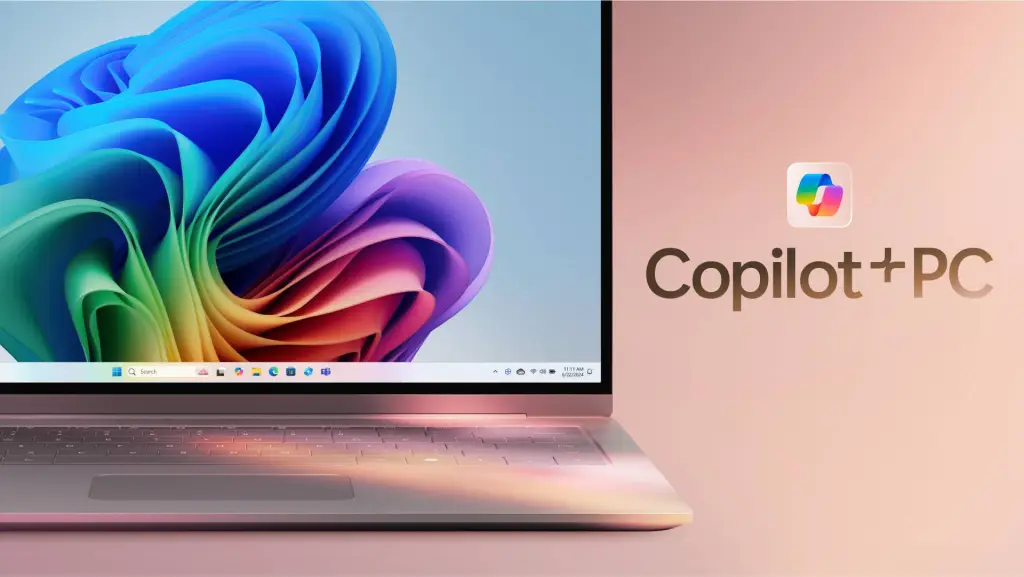
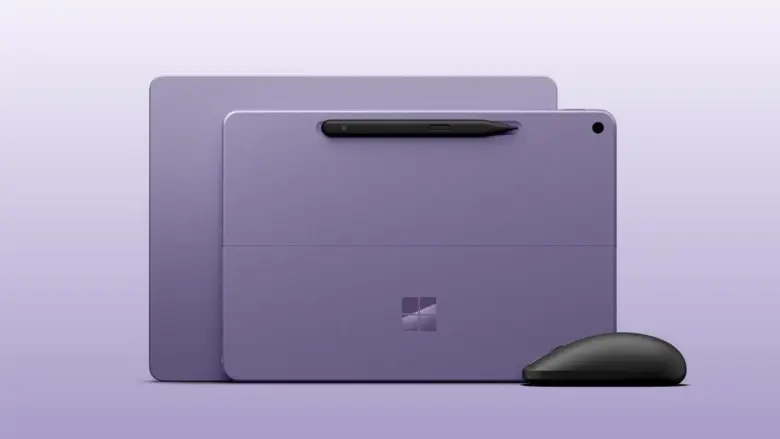
Microsoft has stopped applying the Copilot+ PC label to its newest Surface devices, signaling a quiet retreat from a hardware classification it introduced two years ago to define the artificial intelligence era of personal computing. The latest Surface Pro and Surface Laptop models meet every technical specification originally required for the designation, yet Microsoft deliberately excluded the brand during their unveiling at the Snapdragon Summit 2026.
Brett Ostrum, corporate vice president of Surface, confirmed the shift in an interview with Windows Central, stating that while the new machines support on-device AI processing and hybrid compute solutions, they will no longer carry the Copilot+ PC name. Qualcomm’s vice president of computing, Kedar Kondap, framed the original branding as a temporary industry mechanism designed specifically to establish 45 TOPS — trillion operations per second — as the baseline performance metric for neural processing units. With AMD and Nvidia now producing silicon that easily clears that threshold following the expiration of Qualcomm’s initial exclusivity window, the marketing distinction lost its technical necessity.
The rebranding arrives amid a broader recalibration of how aggressively Microsoft embeds generative AI into its consumer ecosystem. When the Copilot+ PC standard debuted in 2024 alongside Qualcomm’s ARM-based Snapdragon X processors, the platform relied heavily on Recall as its defining feature. Recall was engineered to capture continuous screenshots of user activity, creating a searchable photographic memory powered by local AI models. Severe security vulnerabilities exposed by researchers forced Microsoft to delay the feature indefinitely, shipping the first wave of certified laptops without their primary selling point.



Consumer enthusiasm for the underlying Copilot assistant also failed to materialize at the scale Microsoft anticipated. Despite billions of dollars invested in proprietary model development and deep integration across Office and Edge, independent usage metrics consistently show consumers favoring competing platforms like ChatGPT and Claude for daily generative tasks.
That disconnect between corporate AI ambitions and user demand triggered internal friction within the Windows division itself. In late 2025, Windows chief Pavan Davuluri outlined a roadmap centered on autonomous AI agents capable of executing complex workflows on behalf of users. The announcement prompted immediate backlash from enterprise administrators and power users who argued the operating system suffered from unresolved stability issues, file explorer lag, and inconsistent update behaviors. Users demanded a reliable foundation over experimental automation.
Davuluri subsequently acknowledged the misalignment. Microsoft committed to a comprehensive overhaul of Windows 11 focused on core performance optimization, publicly conceding that prior Copilot integrations had been pushed too forcefully into native applications. As part of this correction, Microsoft began stripping dedicated Copilot interfaces out of utilities including Notepad, Photos, and the Widgets panel, returning those tools to their traditional functions.

The dissolution of the Copilot+ PC tier reflects a wider industry trend where specialized AI hardware labels are being absorbed back into general product lines. Unlike Apple, which successfully marketed its Neural Engine as a seamless component of the M-series architecture without requiring a separate laptop sub-brand, Microsoft initially attempted to create a fragmented purchasing category. OEM partners such as Dell, HP, and Lenovo showed diminishing interest in promoting the specific badge once NPU-equipped processors became standard across mid-range and premium tiers rather than exclusive to flagship models.
Microsoft continues to develop and deploy its AI assistant across cloud services, enterprise software, and developer tools. However, the company is abandoning the strategy of gating hardware identity behind a single branded AI metric.
The current Windows 11 remediation plan remains active, with recent cumulative updates prioritizing taskbar responsiveness, reduced background resource consumption, and the removal of deprecated telemetry components.










One Comment