AMD Targets 2027 Production Surge to Ease AI Chip Shortage
CEO Lisa Su is coordinating directly with TSMC, Foxconn, and South Korean memory suppliers to secure logic and HBM3E capacity.
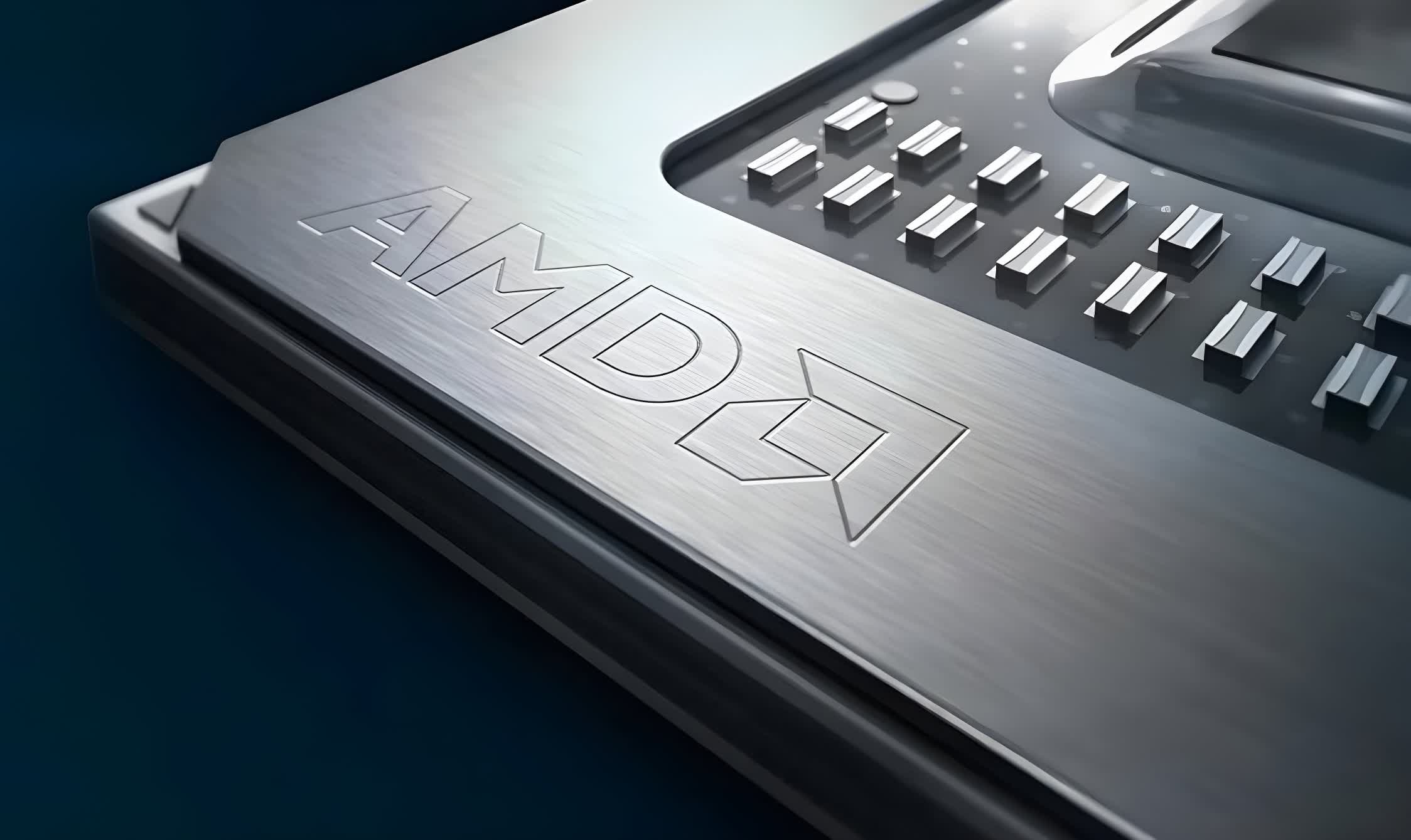
AMD is positioning a major manufacturing expansion for 2027, aiming to relieve persistent global bottlenecks in artificial intelligence hardware. Chief Executive Lisa Su confirmed the timeline during meetings in Taipei on Tuesday, outlining consecutive annual supply increases through next year before the larger production ramp takes hold.
The strategy relies heavily on synchronizing output across three distinct segments of the semiconductor supply chain: logic fabrication, system assembly, and high-bandwidth memory. Su held talks with Foxconn executives in Taiwan to align server assembly schedules and is preparing for discussions with TSMC, which manufactures AMD’s MI300X data center accelerators using advanced 5-nanometer nodes and chiplet packaging. Unlike traditional monolithic processors, these AI chips require complex CoWoS (Chip-on-Wafer-on-Substrate) assembly, a process where TSMC’s capacity has remained severely constrained since late 2023.
Memory availability presents an equally rigid bottleneck. Su plans to travel to South Korea later this week to negotiate directly with DRAM manufacturers. Modern AI accelerators demand massive volumes of High Bandwidth Memory (HBM), specifically HBM3E modules, which require stacking multiple memory dies vertically. SK Hynix currently leads the HBM market, while Samsung Electronics and Micron Technology are racing to qualify their own stacks for next-generation GPUs. Because HBM consumes roughly three times the wafer area of standard DDR5 memory per gigabyte, its surging demand has fundamentally altered global DRAM allocation.


This reallocation is forcing severe trade-offs downstream. As foundries and memory makers prioritize enterprise AI contracts, consumer electronics manufacturers face shrinking component pools and escalating prices. HP recently launched its OmniBook 5 budget laptop with a base configuration of just 8GB of RAM — half the capacity that defined entry-level machines prior to the generative AI era. The device was engineered to compete directly with Apple’s MacBook Neo at the lowest possible price point amid tight memory supplies.
Hardware costs have climbed sharply across the retail sector. Refurbished Sony PlayStation 5 Pro consoles, which carried a $700 launch price in November 2020, are now listed by retailers like GameStop for approximately double that amount ahead of next month’s release of Grand Theft Auto VI. The console market historically absorbs excess or older-node silicon, but even those allocations have tightened as fabs convert lines to support higher-margin AI workloads.
Industry competitors are pursuing parallel strategies to secure future volume. Nvidia continues to lock down long-term capacity agreements for its Blackwell architecture, while Intel attempts to leverage its domestic foundry ambitions to attract fabless customers. However, bringing entirely new fabrication plants online requires four to five years of construction and tooling, meaning near-term relief depends exclusively on yield improvements and existing facility expansions.
Financial markets responded immediately to AMD’s supply roadmap. Shares rose nearly 4% to $656.84 following Su’s remarks, extending a year-to-date rally approaching 194%. The valuation reflects investor confidence that AMD can capture a larger share of the data center accelerator market if it successfully executes the planned 2027 manufacturing scale-up against entrenched competition.