

Merge Watch Connects Apple Watch to Android, but an iPhone Is Still Required
The app syncs health data to Google Fit, but background limits can delay notifications and drain battery.
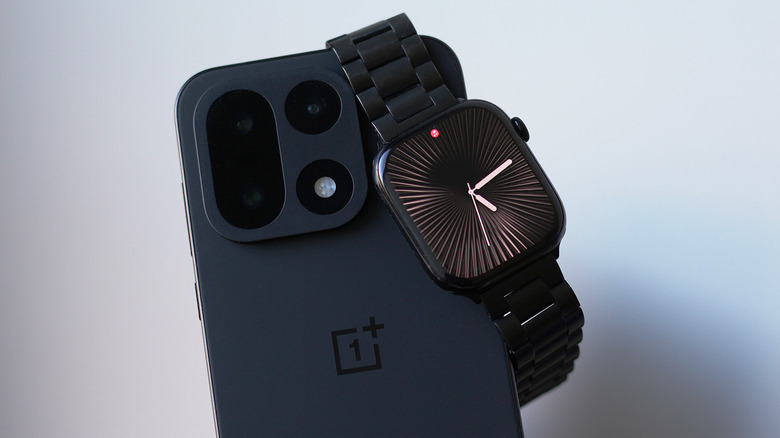
Merge Watch lets an Apple Watch work with an Android phone, relaying notifications, managing media playback and syncing health data with Google Fit. The watch must first be activated and initialized using an iPhone, because watchOS lacks standalone consumer setup protocols.
After initialization, users install dedicated apps from the Apple App Store and Google Play Store. Opening the apps on both devices starts a local Bluetooth handshake, verified with a six-digit on-screen authentication code. The Android app also needs broad system permissions, including access to Bluetooth protocols, notification listeners and health records, as well as an explicit exemption from native battery optimization so the background sync process can keep running.
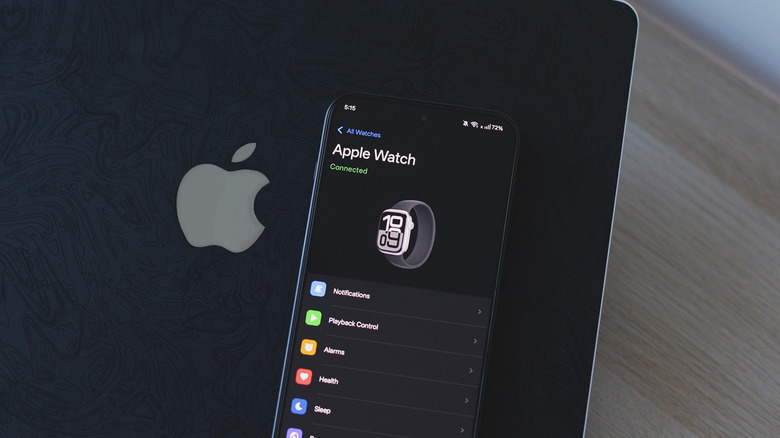


The connection forwards incoming alerts from Android apps to the watch, where users can read messages and send direct replies. Users can enable or disable alerts for individual apps in the Android configuration settings. The watch also controls playback on active Android media players, including streaming services such as Spotify.
Health data recorded by the Apple Watch—including sleep stages, step counts and electrocardiogram (ECG) measurements—is transferred to Google Fit. Initial transfers can face indexing delays; once the synchronization pipeline stabilizes, continuous metrics populate the Google Fit framework.
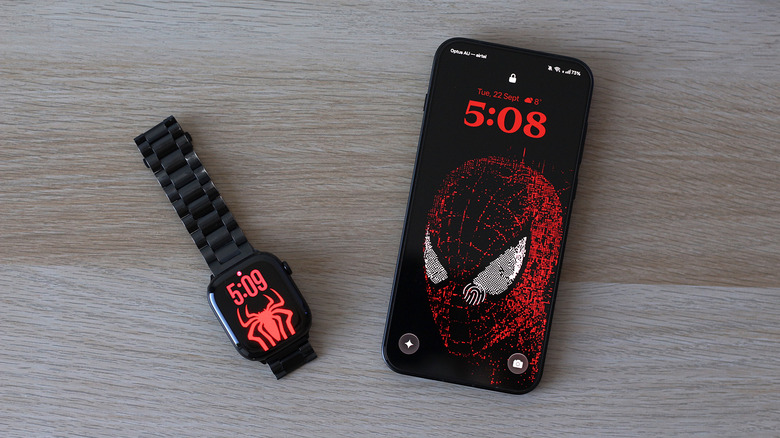
The arrangement does not provide the same alerts as an Apple Watch paired with an iPhone. Because watchOS does not give third-party tools access to native system-level alert frameworks for non-Apple devices, incoming alerts appear inside the Merge Watch container rather than as native watchOS system banners. Notifications also ring on both the Android phone and the watch; the phone is not automatically muted when the watch is being worn.
Keeping the bridge active can be another obstacle. Android background-process limits, including aggressive RAM management and battery-saving protocols on some software such as OnePlus’s OxygenOS, can put it to sleep. If that happens, notifications stop arriving until the watch app is opened manually, and delayed alerts can sometimes arrive in a queue all at once. Continuous background polling also causes measurable battery drain on both the watch and the host phone.
Merge Watch is a recurring software-as-a-service subscription, with multiple tiers costing up to $6 per month for full functionality. Its developer’s privacy policy says most data transmission takes place locally over Bluetooth. Data sent through external relay servers is protected with end-to-end encryption protocols intended to prevent intermediary data exposure.
Third-party developers have used custom Bluetooth relays and notification listeners to keep wearables working alongside Android phones, despite the platform divide. The U.S. Department of Justice’s antitrust litigation against Apple cited smartwatch lock-in as an ecosystem barrier that discourages users from switching to Android. Native cross-platform interoperability is absent from Apple’s official roadmap, while tools such as Merge Watch are part of an independent software effort to challenge platform exclusivity.









