Hyundai’s 2029 Body-on-Frame Truck Targets Tacoma Buyers
The South Korean automaker will debut a new ladder-frame architecture in North America by 2029 to compete with established midsize pickups.
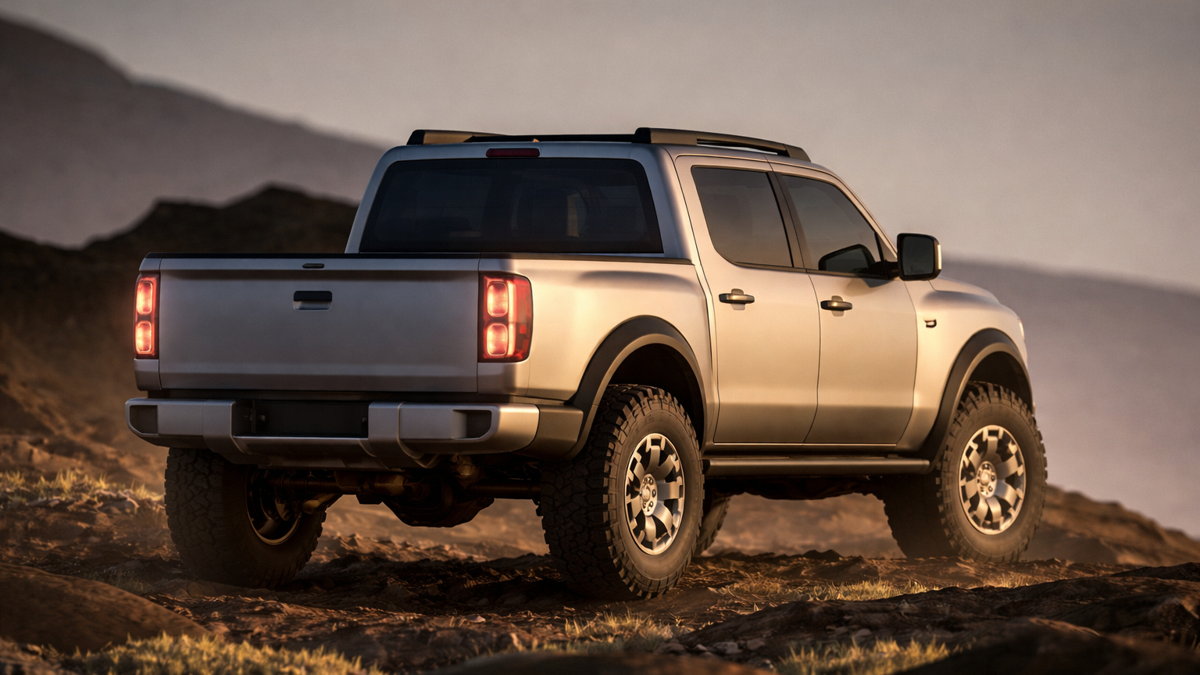
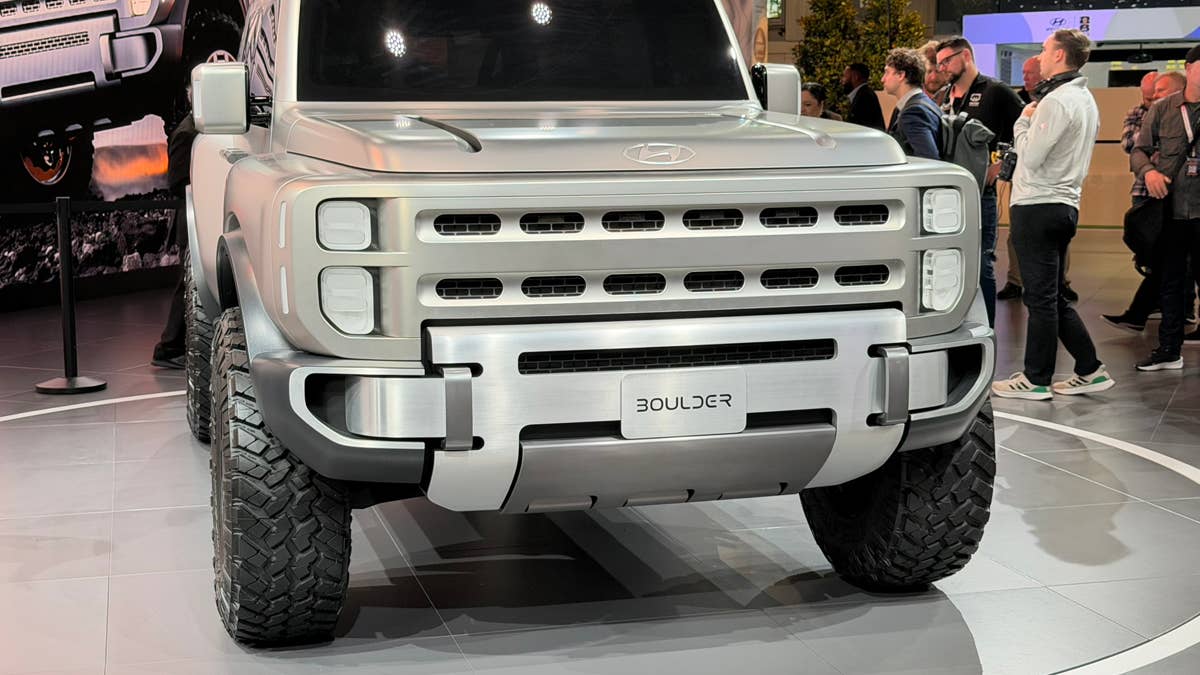
Hyundai plans to introduce its first body-on-frame vehicle in North America by 2029, according to company statements, marking a structural departure from the unibody Santa Cruz it currently sells. The upcoming midsize pickup will ride on an entirely new platform previewed earlier this year by the Boulder Concept at the 2026 New York International Auto Show.
The move positions Hyundai directly against the Toyota Tacoma and Ford Ranger. Both models dominate the U.S. midsize truck segment using traditional ladder-frame architectures designed for heavy towing and off-road durability. Hyundai executives have confirmed the production truck will prioritize utility over the lifestyle-oriented approach that defined the Santa Cruz.

Domestic manufacturing is under consideration, sources familiar with the matter said. Building the truck in the United States would help Hyundai navigate potential tariff exposure on imported vehicles while supporting planned export operations. The automaker already operates a major assembly plant in Montgomery, Alabama, and a sprawling electric vehicle facility in Georgia.
Powertrain specifications remain undisclosed. Industry observers expect options ranging from conventional gasoline engines to hybrid or fully electric configurations, though U.S. specifications are still unknown, according to reports. A plug-in hybrid or range-extender setup has also been cited as a possibility by overseas outlets, but those claims lack official confirmation.
A Hyundai executive told reporters the company intends to carry over interior refinements developed for the Santa Cruz, including upgraded seating and revised control layouts. The goal is to attract buyers who need traditional truck capability without sacrificing daily passenger comfort.
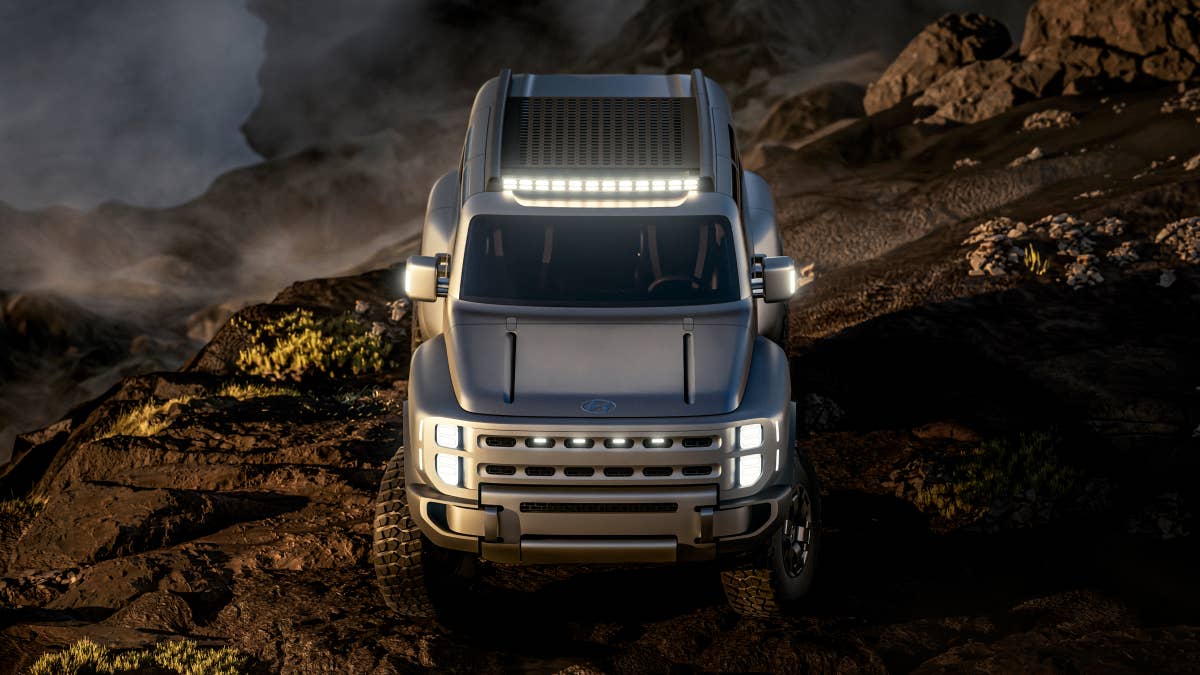
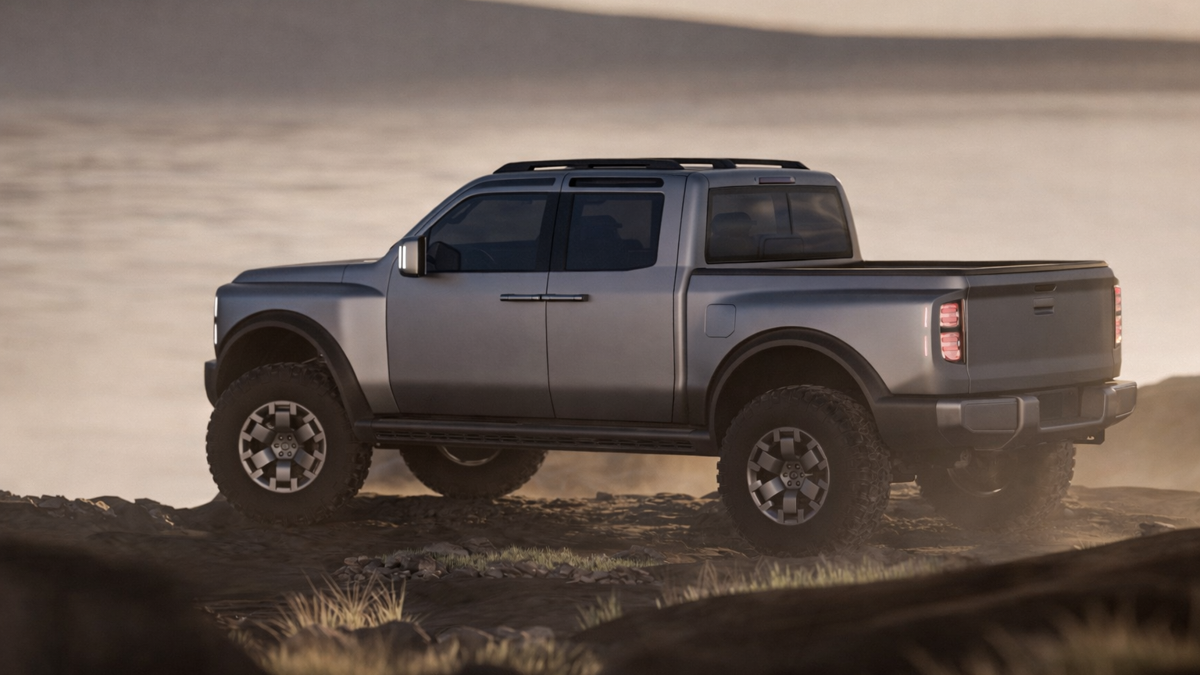
The Boulder Concept shown in New York featured 37-inch tires and aggressive exterior cladding. These elements were strictly for display purposes, and the final production model—still without an official name—is expected to adopt a more conventional dual-cab configuration with a standard bed. Renderings circulating online, including AI-generated images published by Autoblog, do not reflect Hyundai’s finalized design.
Toyota sold roughly 240,000 Tacomas in the U.S. last year. Ford moved approximately 130,000 Rangers during the same period. Breaking into a segment controlled by two legacy nameplates will require Hyundai to deliver competitive pricing alongside proven mechanical reliability, areas where Korean automakers have historically faced skepticism from American truck buyers.
General Motors and Stellantis are also refreshing their midsize offerings, the Chevrolet Colorado and Jeep Gladiator respectively, ensuring the 2029 market Hyundai enters will feature updated competition across every price tier. The timeline gives Hyundai three years to finalize engineering, secure a factory site, and establish a dealer network strategy for a vehicle architecture it has never previously mass-produced in North America.