Antigravity A1 Follow Me Bundle Solves Solo FPV Flight Ban
Wrist-mounted controls replace illegal FPV goggles, enabling compliant solo drone flights for the first time
Solo pilots flying first-person-view drones outdoors while wearing goggles have been breaking the law in the United States and Europe since the technology hit the consumer market. Antigravity, a subsidiary of 360-degree camera manufacturer Insta360, just released hardware designed to fix that problem.
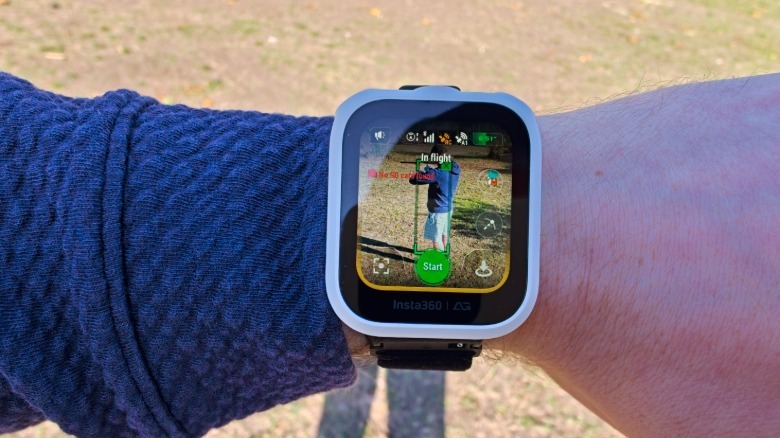
The company’s new Follow Me bundle strips away the mandatory goggles-and-controller setup required by its A1 drone. Instead, users steer the aircraft using a wrist-mounted Watch Remote paired with a Ring Remote. The kit is available now for $340 as a standalone accessory package, or $799 bundled with the A1 drone. Existing owners receive a discounted rate of $272.
Federal Aviation Administration regulations require drone operators to maintain an unaided visual line of sight with their aircraft at all times. Goggles blind the pilot to the surrounding airspace, making solo outdoor FPV flight illegal without a dedicated visual observer standing nearby. By replacing the headset with wrist controls, Antigravity has effectively legalized solo operation of the A1 for recreational users who previously had no compliant way to fly it alone.


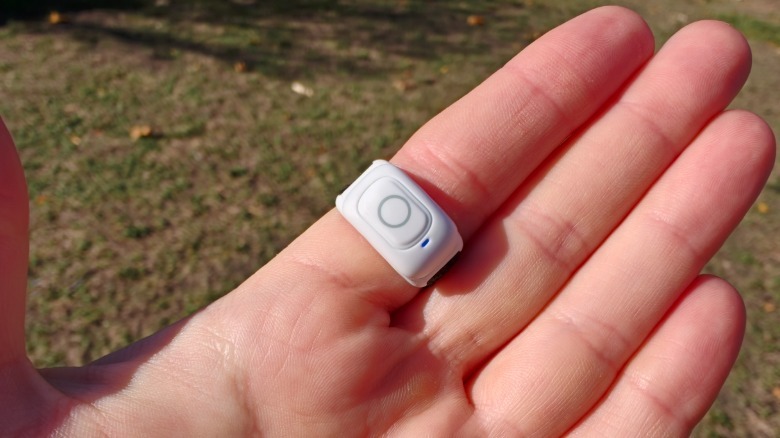
The control mechanism relies on GNSS data from the watch combined with the drone’s existing visual tracking sensors to lock onto moving subjects. Pressing the ring’s button initiates what Antigravity calls Drag-to-Fly gestures. Pointing a hand left, right, up, or down directs the drone accordingly. Rotating the arm inward pulls the A1 closer; rotating outward pushes it away. The system cannot adjust distance and directional positioning simultaneously. Pilots must release the button and press it again to switch between vertical/horizontal movement and pitch adjustments.
Hardware execution lags behind the software concept. According to testing by Engadget, the watch resembles decade-old smartwatch designs, charges via USB-C, and delivers roughly five hours of battery life—enough to drain three standard A1 drone batteries. The fabric wrist strap uses connective links described as flimsy, while the ring relies on a delicate Velcro closure. A bike mount for the watch and a USB-C charging grip for the ring are included in the box.
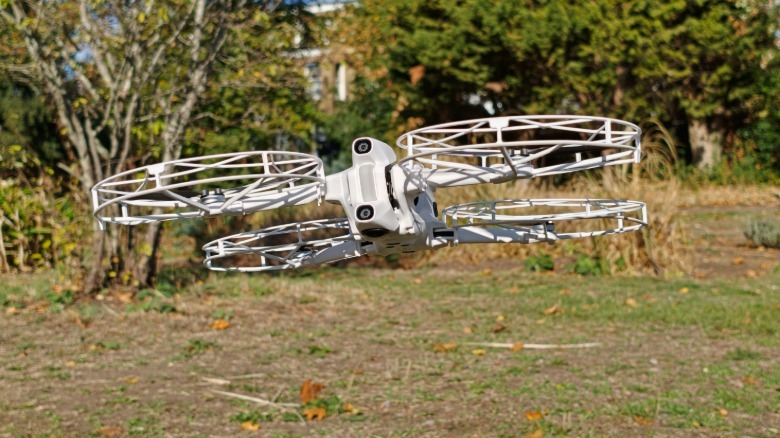
Propeller guards ship with the bundle, addressing a gap in the A1’s original retail configuration. The lightweight plastic cages clip over each propeller pair but leave gaps where fingers can slip through. Installing them prevents the drone’s arms from folding flat, reducing the portability that defined the A1’s initial appeal.
Before this release, the A1 relied exclusively on Deep Tracking mode for autonomous subject following. That visual-only system struggled to maintain locks during high-speed activities such as cycling or snowsports, according to user reports. The addition of GNSS targeting through the watch aims to close that reliability gap. Antigravity recommends a minimum of two meters of vertical clearance for takeoff when using the new bundle. An experimental setting reduces that requirement to one meter, though the drone and watch will emit warning beeps if launched in tighter spaces.
Touchscreen inputs on the watch handle launch sequences, video mode switching, and pre-programmed flight paths. These automated maneuvers include vertical spirals, flyovers, and an “antigravity line” sequence that combines a rapid ascent with a sudden dive toward the tracked subject. Orbital paths automatically adjust to navigate around obstacles like trees and buildings. Recent firmware updates also introduced palm take-off capability, eliminating the need for a landing mat on wet or uneven terrain.