Rivian’s $2,500 Self-Driving Bet Puts Owners to Work
Subscribers must share camera data and meet weekly reporting requirements to test the Level 2 system in California and Florida.
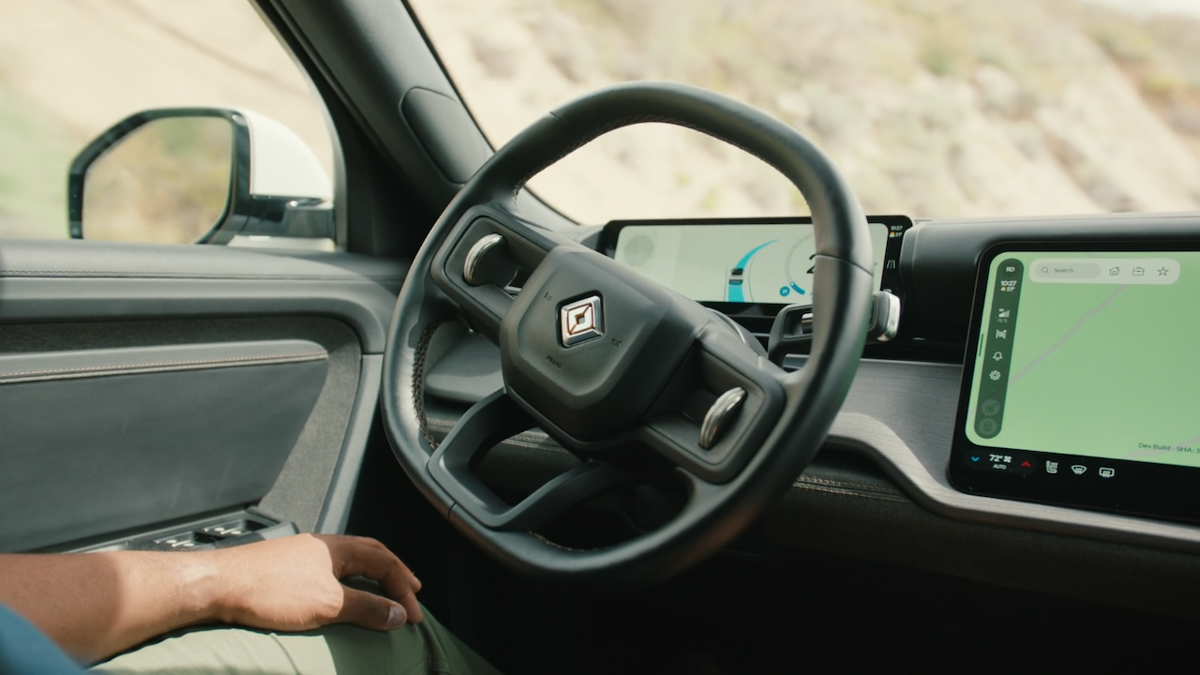
Rivian is asking its customers to pay $2,500 for the privilege of debugging its autonomous driving software. The Irvine, California-based automaker has opened beta access to its Point to Point supervised self-driving system, turning paying subscribers into an unpaid validation workforce tasked with identifying flaws its internal engineering teams missed.
The program, first reported by Autoguide, restricts participation to owners of second-generation R1T and R1S trucks and SUVs, along with the new R2 model, who maintain an active paid subscription to Rivian’s $2,500 Autonomy+ package. First-generation R1 owners and Canadian buyers are excluded entirely. Testing is confined to California and Florida.
Approved participants face strict operational mandates. According to the company, testers must use the preview features weekly, log reports directly on the vehicle’s touchscreen, complete monthly surveys, and sign a non-disclosure agreement granting Rivian access to their location and camera data. The primary account holder must apply through a specific tile on Rivian.com; secondary drivers sharing the vehicle cannot participate. Rivian evaluates applicants based on their existing usage of Autonomy features and safety records, including how frequently forward-collision warnings trigger. Participants can be removed from the program every 30 days without warning if the company requires different vehicle models or geographic coverage.

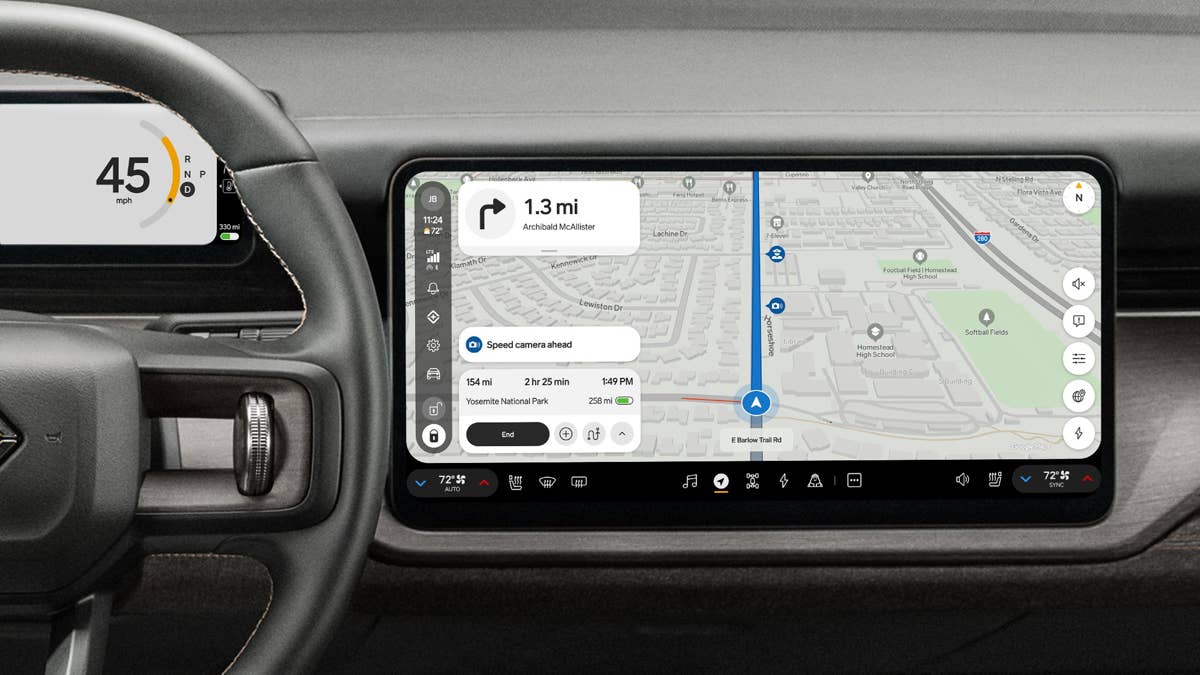
Point to Point integrates Rivian’s existing Universal Hands-Free technology directly with the vehicle’s turn-by-turn navigation. Rather than simply maintaining lane position, the system executes highway merges, autonomous turns, and surface street driving along a planned route. It remains a Level 2 driver-assistance system. The driver must keep their eyes on the road and be prepared to intervene immediately.
The underlying architecture relies on what Rivian calls its Large Driving Model, proprietary software that processes input from a 360-degree sensor suite comprising cameras, radars, and solid-state LiDAR to determine vehicle reactions in real time.
Head of autonomy and AI James Philbin stated the company targets a public launch before the end of 2026, followed by a wider rollout in 2027. CEO RJ Scaringe recently projected true self-driving capability would arrive before 2030, a timeline he previously pegged at 2026.
This reliance on customer-funded beta testing contrasts sharply with broader industry turbulence. Volkswagen recently pulled the plug on a €1.5 billion self-driving project, according to reports. By shifting the final stages of validation onto subscribers who have already paid a premium for the feature, Rivian reduces its own operational testing costs while gathering diverse, real-world edge-case data that controlled internal fleets struggle to replicate.