$2,651 Battery Swap Keeps 470K-Mile Chevy Bolt EV Running
A salvaged 2017 battery pack and $51 in software programming restored a high-mileage 2019 Chevrolet Bolt EV after its second battery failure.
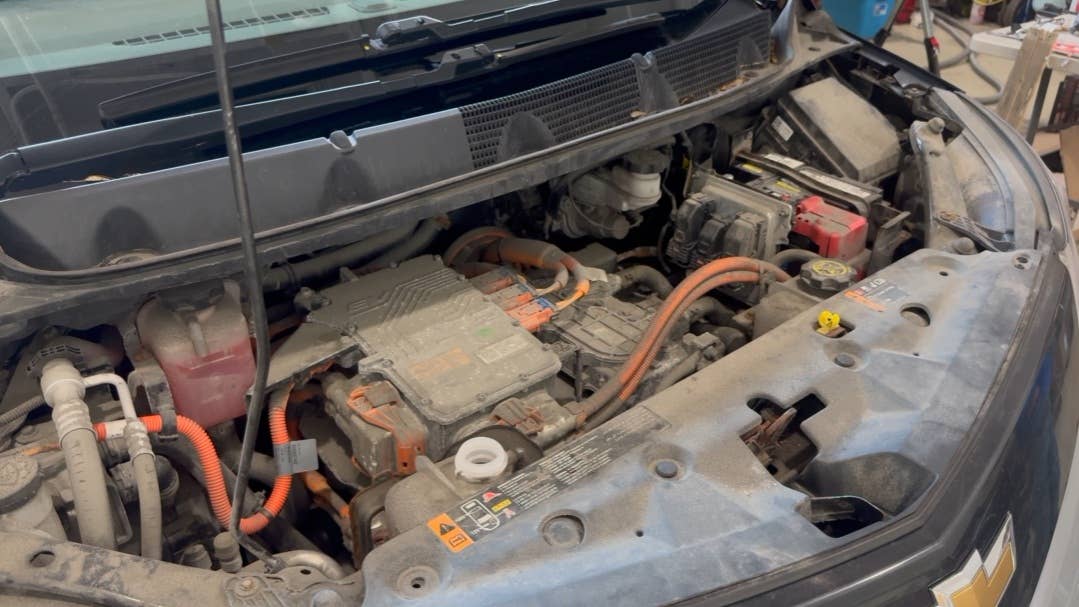
A used 2017 battery pack costing $1,800 is the only thing standing between a 2019 Chevrolet Bolt EV and the scrapyard after nearly half a million miles on the odometer. The repair highlights a growing reality for early electric vehicle adopters: out-of-warranty battery replacements are becoming routine mechanical work, not catastrophic financial events.
The vehicle, documented by the YouTube channel Out of Spec Renew, reached approximately 470,000 miles before its second battery failure rendered it unable to shift into drive or reverse, or accept a charge. According to the channel, the car had already undergone a battery replacement during a manufacturer recall at 138,000 miles. It then logged another 330,000 miles on that replacement pack before the cells failed again.
General Motors initiated a massive recall for the Chevrolet Bolt EV in 2021, eventually expanding it to cover roughly 142,000 vehicles globally due to fire risks linked to manufacturing defects in battery cells supplied by LG Energy Solution. That recall forced GM to absorb billions of dollars in replacement costs. For owners whose vehicles have now aged out of warranty coverage, the financial burden shifts entirely to them.


When technicians opened the failed pack on this specific 2019 model, they found widespread cell swelling and low voltage, according to Out of Spec Renew. Diagnosing these internal failures requires physically opening the sealed battery modules, a labor-intensive process that independent shops are increasingly performing as dealership networks remain focused on newer models.
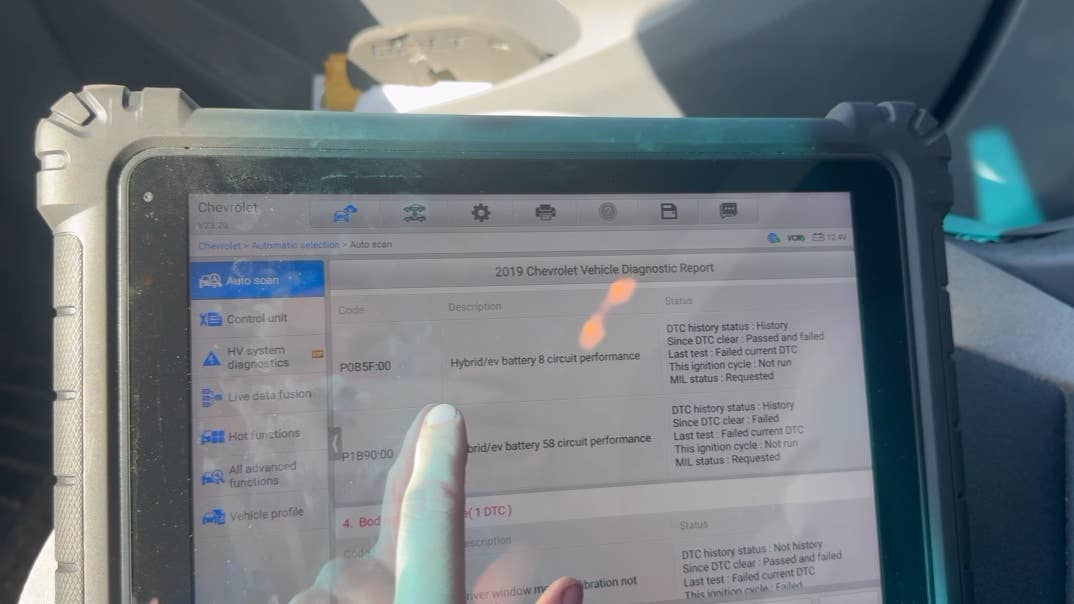
Rather than sourcing a new unit, the repair utilized a salvaged battery from a 2017 Chevrolet Bolt estimated to have between 10,000 and 15,000 miles. The total bill came to $2,651, according to Out of Spec Renew. That figure breaks down to $1,800 for the used battery, $800 for labor, and $51 for the software programming required to integrate the older hardware with the 2019 vehicle’s systems. The channel noted that a typical customer repair using similar methods ranges from $2,500 to $3,000.
Integrating an older battery into a newer chassis is not plug-and-play. Independent EV technicians must use specialized software to reprogram the vehicle’s battery management system to recognize the replacement pack. After several attempts, the 2019 Bolt accepted the 2017 battery and returned to operational status, Out of Spec Renew reported.
The durability of the drivetrain components surrounding the battery tells a different story about electric vehicle engineering. The original electric motor has survived all 470,000 miles without replacement. Suspension parts and wheel bearings, however, required swapping out much earlier in the vehicle’s lifespan, according to the channel. This aligns with broader industry data showing that while EV motors frequently outlast internal combustion engines, the heavy weight of battery packs accelerates wear on traditional chassis components like bushings, control arms, and bearings.
The vehicle still requires additional maintenance. Out of Spec Renew identified a leaking passenger-side axle seal and the need for a gear reduction oil change. A full battery coolant flush and complete cell charging cycle are also planned. Current market values for high-mileage 2019 Chevrolet Bolt EVs often fall below the $2,651 repair cost, forcing owners to weigh the price of a used battery against purchasing a different used vehicle entirely.