Human Chimerism: How a Fused Twin Causes Autoimmune Disease
Two sets of DNA trigger a constant internal immune war, exposing dangerous gaps in standard medical testing.

A California singer living with two distinct sets of DNA is forcing the medical community to confront the diagnostic dangers of human chimerism, a genetic anomaly so rare that most physicians will never encounter a confirmed case in their careers.
Taylor Muhl carries the complete genetic material of her fraternal twin sister inside her own body. The fusion occurred during early embryonic development when two separate fertilized eggs merged into a single organism. Rather than resulting in a standard twin pregnancy, the event left Muhl with two functioning immune systems and two separate bloodstreams operating within one physical frame.
The biological consequences are relentless. Because each cell line possesses unique human leukocyte antigens — the molecular markers the body uses to distinguish self from non-self — Muhl’s immune networks perpetually identify each other as foreign invaders. This internal conflict triggers chronic autoimmune disease, a daily physiological battle that began manifesting before she reached adolescence.
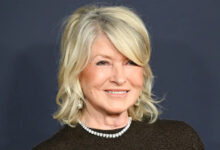

“My autoimmune issues started pretty heavily as a preteen, and that was very difficult being so young, especially not knowing why I was sick,” Muhl said.
Visible evidence of the condition appeared even earlier. A sharp demarcation line running down the center of her torso divides her skin into two distinct pigmentation zones. Pediatricians initially dismissed the bilateral coloring as an ordinary birthmark, a misdiagnosis that delayed understanding of her underlying biology for years.
Chimerism differs fundamentally from mosaicism, another condition involving multiple cell populations. In mosaic individuals, genetic variations arise from mutations within a single fertilized egg after conception. True tetragametic chimerism, the specific classification applicable to Muhl, requires four gametes — two eggs and two sperm — creating two entirely separate zygotes that subsequently combine. The resulting individual is essentially a natural transplant recipient whose body never signed off on the graft.
This dual-DNA reality creates severe vulnerabilities in modern clinical settings. Standard paternity tests, forensic DNA profiling, and tissue-matching protocols assume a person has one uniform genome. A chimera can fail a maternity test using a cheek swab while passing it using a blood draw, because different tissues may be dominated by different cell lines. In organ transplantation, the presence of two HLA profiles complicates donor matching exponentially, increasing the risk of graft rejection if the wrong cellular lineage is tested.
Geneticist Brandon Colby, MD, who reviewed Muhl’s case during a March appearance on the television program The Doctors, warned that undisclosed chimerism poses a direct threat to patient safety.
“It’s important for Taylor throughout life to inform doctors that she has chimerism, so when they get these strange test results back, they know how to quickly interpret them correctly. This may save her life,” Colby said.
Without that disclosure, aberrant laboratory results often lead clinicians down incorrect diagnostic pathways, triggering unnecessary biopsies, inappropriate immunosuppressive therapies, or missed diagnoses of concurrent illnesses.
To manage the constant inflammatory response generated by her competing immune systems, Muhl relies on a strict regimen encompassing targeted probiotics, vitamin supplementation, organic nutrition, juicing, physical exercise, massage, and energy healing. Despite the comprehensive protocol, food sensitivities and autoimmune flare-ups remain a daily fixture.
“Even with doing all of that, though, I still endure autoimmune problems and food sensitivities daily, so emotionally it can get frustrating and wearing,” she said. “Mentally I’ve been forced to make the commitment to look at my circumstances, good and bad, in a positive light or else I feel nothing good will come of it.”
Muhl, who has worked in the entertainment industry for most of her life, now directs her platform toward human-chimera awareness. Her advocacy focuses on educating both the public and medical professionals about the link between embryonic fusion and autoimmune dysfunction, challenging assumptions about physical normalcy along the way.
“I want the real focus to be on spreading human-chimera awareness, that it can be linked to autoimmune and how important body positivity is in the entertainment business and the world,” Muhl said.
Exact prevalence rates for tetragametic chimerism remain unknown. Most cases likely go undetected unless a visible trait like split pigmentation appears or a routine genetic test yields paradoxical results. Advances in whole-genome sequencing are beginning to identify more asymptomatic carriers, suggesting the condition may be more common than historical medical literature indicates, though verified symptomatic cases like Muhl’s remain exceedingly scarce.
Muhl continues to perform as a vocalist while incrementally sharing details of her medical history across her social media channels to reach others navigating unexplained autoimmune conditions.