How 3 PBMs Control 80% of U.S. Drug Claims and Costs
Insured patients increasingly pay cash to bypass PBM-negotiated prices that exceed direct pharmacy rates.
Three companies process roughly 80% of all prescription drug claims in the United States. CVS Caremark, Cigna’s Express Scripts, and UnitedHealth’s OptumRx operate as pharmacy benefit managers, or PBMs, sitting between insurers, drugmakers, and pharmacies to negotiate prices. The contracts governing these negotiations routinely run hundreds of pages.
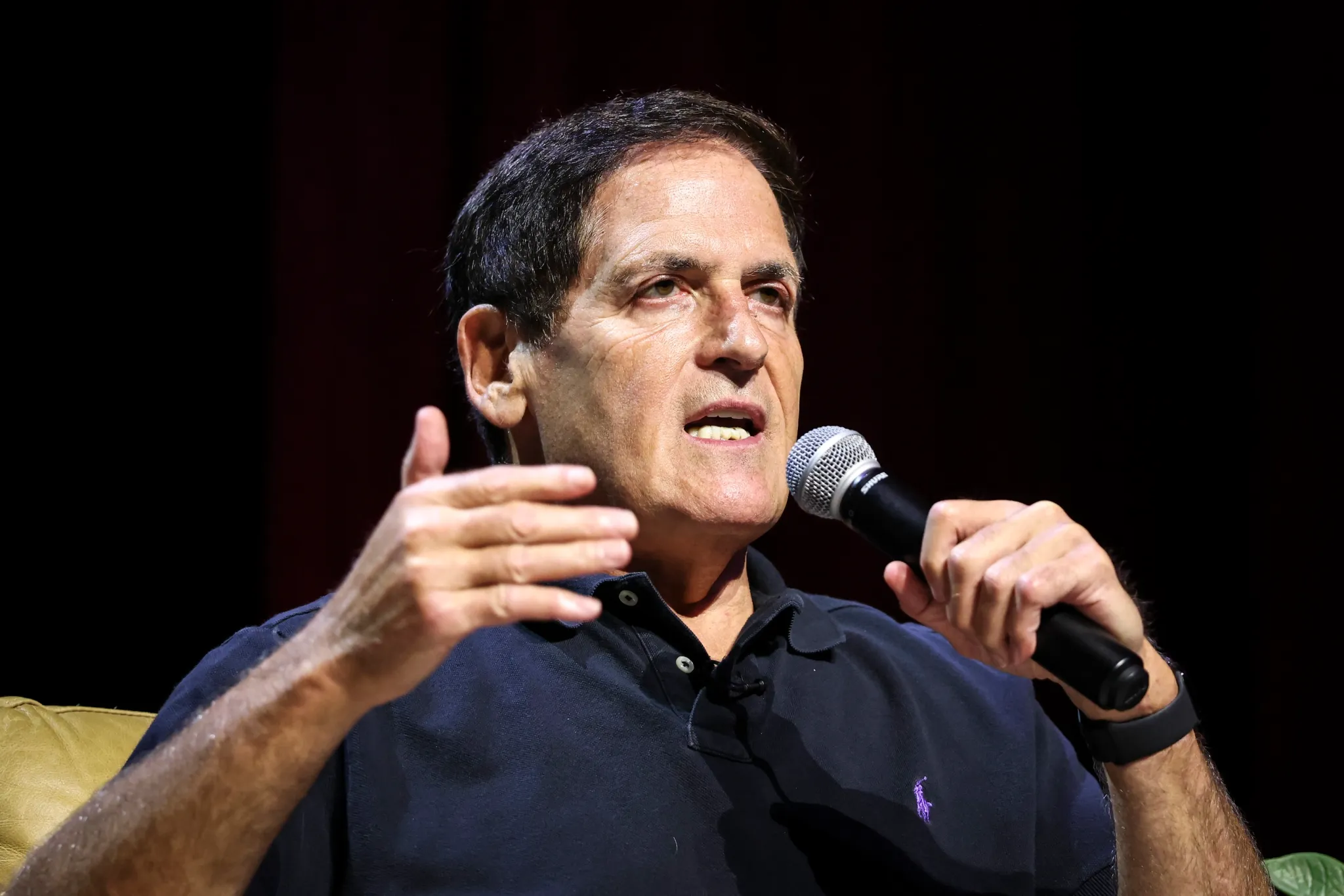
Mark Cuban told Texas House lawmakers on Sept. 1 that this opacity is deliberate. He called the contracting practices “contractual terrorism.” The Cost Plus Drugs cofounder appeared before the state legislature not to pitch his low-cost pharmacy but to outline how PBM contract structures systematically inflate out-of-pocket costs for insured Americans.
According to Cuban, a significant portion of customers using Cost Plus Drugs already carry health insurance. They bypass their plans because paying cash directly through his platform frequently costs less than their insurance-mandated copayments. A prescription priced at $500 through an insurance plan might cost $100 outside it.


This pricing inversion points to a structural failure rather than a consumer anomaly. When patients find cheaper drugs by abandoning their coverage, the money they spend does not count toward their annual deductibles or out-of-pocket maximums. Cuban argued that patients should be permitted to use the lowest available price while still receiving credit toward those insurance thresholds, a change he said would force immediate price competition into a market that currently lacks it.
The financial strain driving consumers toward cash-pay alternatives is measurable. A West Health-Gallup survey found that a record 51% of U.S. adults cannot reliably afford quality healthcare.
Cuban has drafted a standardized model PBM contract intended for use by states, cities, counties, and school districts. Government entities currently negotiate these agreements individually, often without the legal resources required to parse hundreds of pages of terms. Two specific provisions drew his sharpest criticism: gag clauses that prohibit employers and plan sponsors from discussing their contract terms with one another, and opaque rebate structures hidden within taxpayer-funded programs like Medicare and Medicaid.
Eliminating gag clauses would allow competing municipalities and employers to compare fees openly. Mandating public disclosure of rebates, guarantees, and affiliate compensation in government-funded programs would establish what Cuban described as basic “price discovery,” a prerequisite for any functioning market.
Legislative efforts targeting PBM consolidation have struggled to gain traction. In March, Cuban backed the Break Up Big Medicine Act, introduced by Sens. Josh Hawley (R-Mo.) and Elizabeth Warren (D-Mass.). The bill would prohibit a single corporation from owning both an insurer or PBM and medical providers simultaneously. It was referred to the Senate Judiciary Committee and has not advanced.
Enforcement remains a parallel obstacle. Cuban noted that current penalties for regulatory violations are treated by large firms as operating expenses rather than deterrents, arguing that repeat offenders face fines easily absorbed by billion-dollar revenues.
Federal executive action has moved faster than Congress. In May, TrumpRx, a White House-backed discount drug site, integrated more than 600 generic medications supplied through Cost Plus Drugs, alongside Amazon Pharmacy and GoodRx. The partnership aligned Cuban with President Donald Trump, who had called him “a loser” during the 2024 campaign.