Tesla Takes $250,000 Deposits for 2028 Flying Roadster as Ferrari Ships Real EVs
Quarter-million reservations for a prototype that flies at a rocket test site — but lacks regulatory approval for public roads
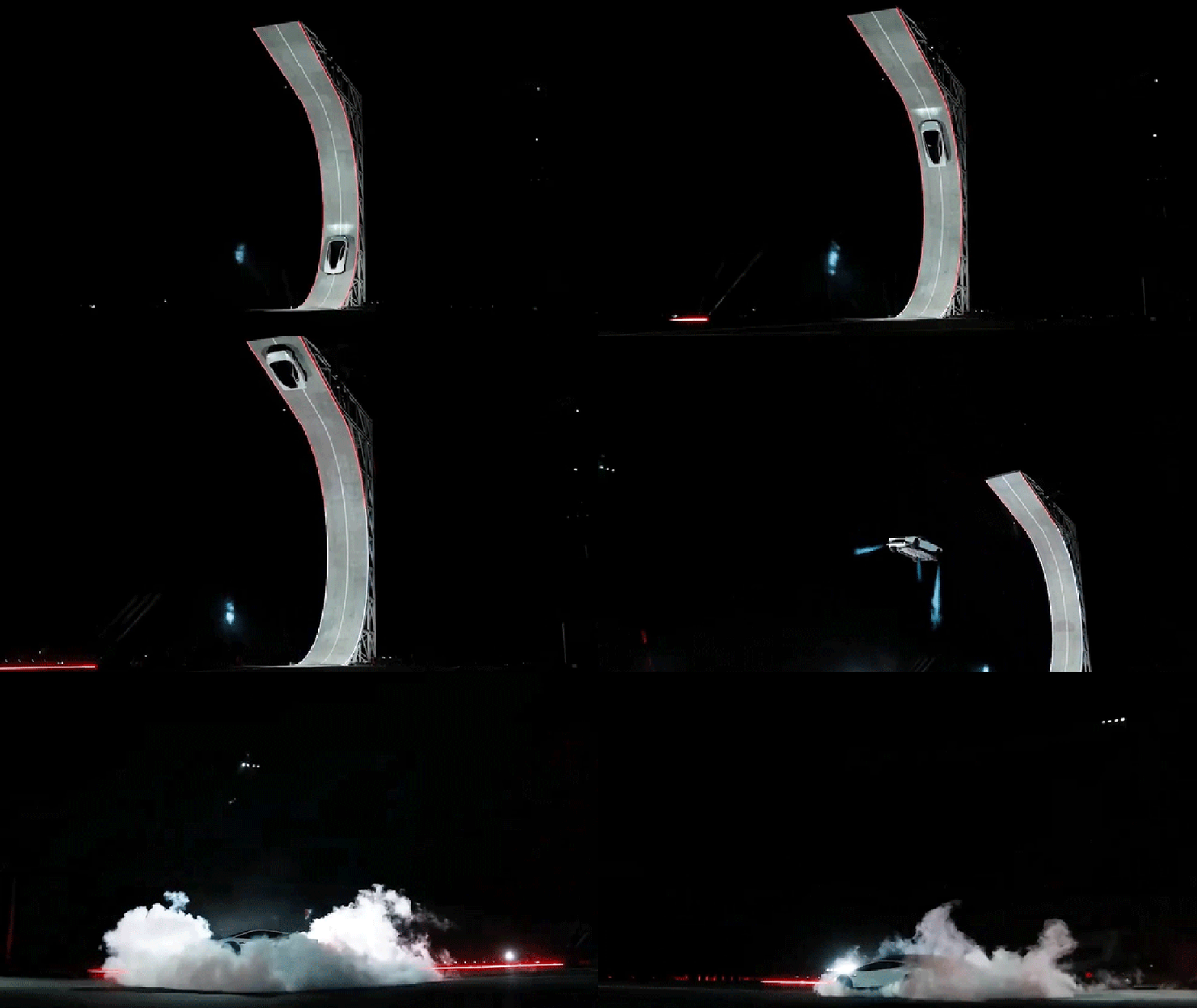
Tesla is collecting quarter-million-dollar reservations for a vehicle that won’t reach customers until 2028 — if it arrives on schedule this time. The automaker unveiled its second-generation Roadster last week at a SpaceX facility in McGregor, Texas, demonstrating a prototype that accelerated from zero to 60 mph in under one second and executed a midair flip using cold-gas thrusters developed with Elon Musk’s rocket company.
The “Thrust” variant requires a $250,000 deposit. A “Performance” version costs $50,000 to reserve. An invite-only “Rocket” model, described as a single-seater with a “full flight system,” carries no public price. Tesla first showed a Roadster prototype in 2017, promising 2020 deliveries. Eight years and multiple missed targets later, the company is again accepting money for a future product.

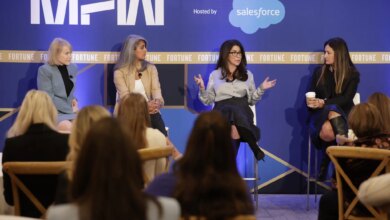
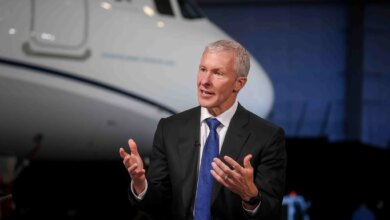
Ferrari CEO Benedetto Vigna, whose company delivered its first production EV — the Luce — this spring, rated Tesla’s presentation “10 out of 10” for both technology and showmanship during an interview at a Quattroruote conference. “As a European, thank you for showing us how that, even in an old world, you can still innovate and dare,” Vigna said. His praise came weeks after Ferrari shares declined following the Luce’s May reveal, which featured design collaboration from former Apple chief Jony Ive’s LoveFrom studio.
The contrast is sharp. Ferrari’s electric grand tourer exists. Customers can buy it. Tesla’s flying sports car exists only as a demonstration prototype at a rocket test site. Regulatory frameworks for road-legal vehicles with thrusters capable of airborne maneuvers do not currently exist in any major market. The National Highway Traffic Safety Administration has not certified any passenger vehicle for flight-capable propulsion.
Tesla shares rose 1.5% after the event. Ferrari gained 1.5%. Both moves were modest, suggesting investors have seen this pattern before. Musk’s timeline promises have historically functioned more as aspirational targets than delivery commitments. The Cybertruck launched two years behind schedule. Full Self-Driving has been “next year” since 2016.
Vigna acknowledged Ferrari needed outside perspective to build the Luce. “If we had worked on our own, we wouldn’t have done what we did,” he said. Tesla’s approach differs: vertical integration with SpaceX provides propulsion technology no other automaker can access. Whether that translates to a street-legal product remains unproven.
Reservation holders for the Thrust package are effectively providing Tesla an interest-free loan of $250,000 each for at least four years. The company has not disclosed reservation numbers. At scale, those deposits represent meaningful working capital for a vehicle program still in prototype phase.