Musk Needs 50% of All Tesla Shareholders to Approve SpaceX Merger
Overlapping board seats and Tesla's prior xAI investment create structural hurdles for the proposed combination.
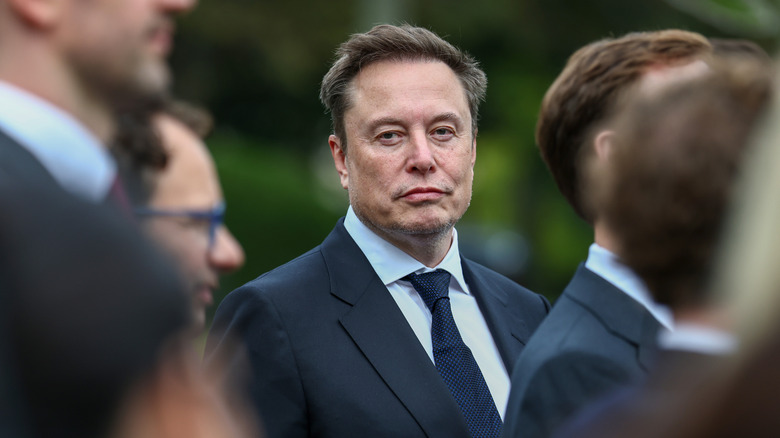
A potential merger between SpaceX and Tesla faces a rigid voting threshold that could block the deal regardless of Elon Musk’s preferences. Tesla requires approval from holders of 50 percent of all outstanding shares — not merely a majority of those who cast ballots — to authorize the combination, according to Musk’s statements during SpaceX’s third-quarter 2026 earnings call.
That distinction matters. Institutional investors frequently abstain from voting on complex related-party transactions, making an absolute majority far more difficult to secure than a simple plurality. Musk controls roughly 82 percent of SpaceX’s voting power, according to Fortune, effectively guaranteeing passage on the private side. Tesla’s public shareholder base presents a different math problem entirely.
Special committees composed of independent directors from both companies are evaluating the proposal. Musk said shareholders requested the review. He and his brother Kimbal Musk are barred from participating in the committee discussions as conflicted parties.

The independence of those panels carries heavy financial weight given the overlapping corporate structures. Tesla lists seven independent directors and SpaceX lists six, based on information on their respective websites. Ira Ehrenpreis, chairperson of Tesla’s Compensation and Nominating and Governance committees, joined SpaceX’s board in February. Both companies still classify him as an independent director.

Cross-ownership further complicates the valuation exercise. Tesla became a SpaceX shareholder after its $2 billion investment in xAI converted into SpaceX stock following the space company’s acquisition of the artificial intelligence firm, as Electrek notes. Any merger agreement must account for Tesla already holding equity in the entity it intends to absorb.
Musk cited cooperation on superintelligence software, chip design, and robotics as primary drivers for combining the companies, stating there is “a lot of merit” to the idea. The committees have yet to reach any agreement. A combined entity would be valued in the trillions of dollars, according to the BBC, which noted the structure would grant Musk greater operational control than he currently holds at the automaker.
Delaware courts, where Tesla is incorporated, apply strict “entire fairness” scrutiny to transactions involving controlling shareholders. The special committee process is designed to satisfy those legal requirements. Failure to demonstrate genuine independence or secure the required absolute majority would likely trigger derivative lawsuits from institutional holders.