AI Data Centers Are Forcing a Global Water and Power Reckoning
Hyperscale computing loads are accelerating global electricity forecasts and exposing critical vulnerabilities in industrial water supplies.
The physical footprint of artificial intelligence is colliding with the limits of global infrastructure. As hyperscale data centers multiply to meet surging demand for AI processing, they are consuming electricity and cooling water at rates that threaten to outstrip capacity in regions unprepared for the load.
Global data center electricity consumption jumped 17% in 2025, according to estimates from the International Energy Agency (IEA). Facilities dedicated specifically to AI workloads drove an even sharper spike, with their power demand climbing roughly 50%. The IEA projects overall global electricity demand will expand at an average annual rate of 3.6% between 2026 and 2030, a pace approximately 50% faster than the previous decade’s average growth.
That acceleration is forcing energy producers to rethink capital allocation. BP, Shell and ExxonMobil have recently adjusted their strategies to prioritize reliable supply delivery and infrastructure capable of handling fast-growing power loads, according to recent corporate disclosures. The shift reflects a broader industry recognition that intermittent generation alone cannot support the continuous, high-density power draw required by modern server farms.


Electricity is only half the equation. Liquid cooling systems necessary to prevent AI hardware from overheating require massive volumes of water. In arid climates, this creates direct competition between industrial tech expansion and municipal supply.
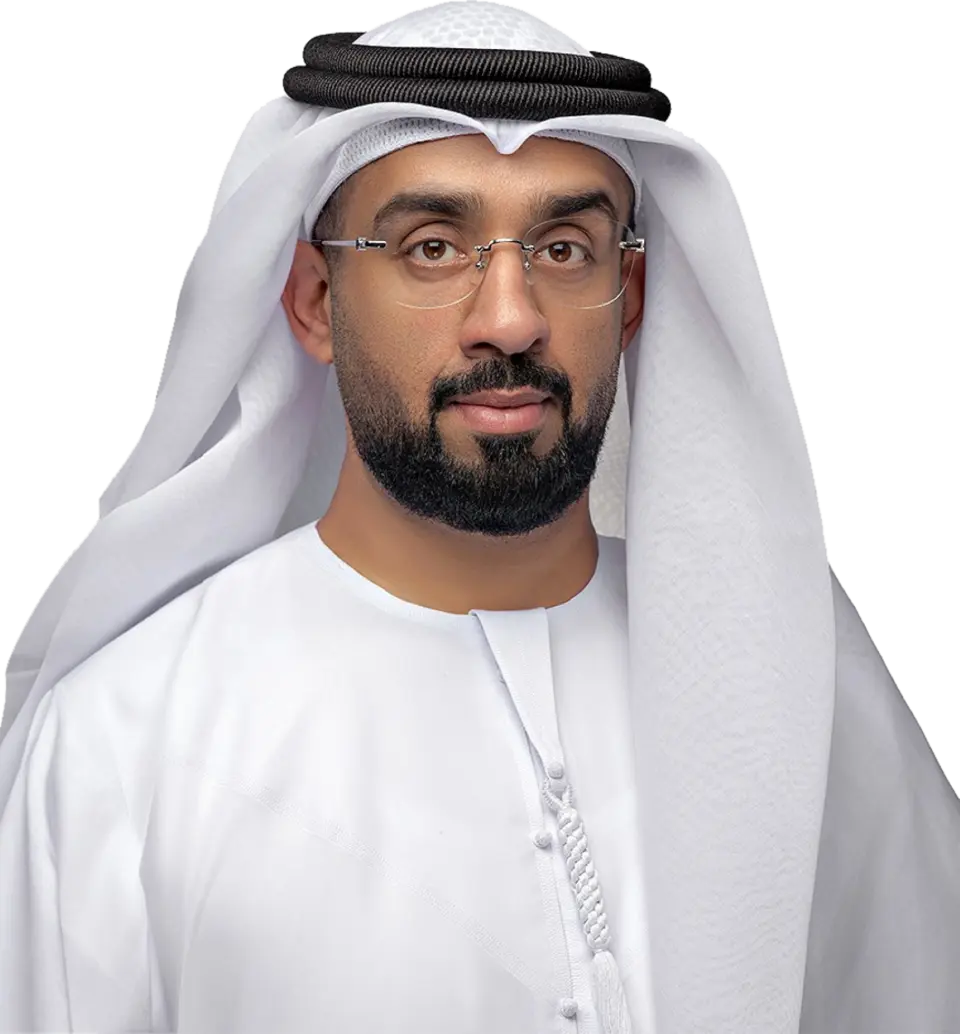
Abu Dhabi has attempted to engineer around this bottleneck by physically integrating its power and water planning. The Emirates Water and Electricity Company (EWEC) currently meets more than 80% of the emirate’s total power demand using renewable and clean energy sourced from solar arrays and nuclear reactors, according to H.E. Dr. Abdulla Humaid Saif Al Jarwan, Chairman of the Abu Dhabi Department of Energy (DoE).
The Barakah Nuclear Energy Plant provides the baseload generation necessary to run energy-intensive desalination facilities without relying solely on fossil fuels. This integration allows the region to produce fresh water for both municipal use and industrial cooling while maintaining grid stability.
Hydrocarbons remain part of the architecture, though operators are targeting lower emissions profiles. Murban crude, produced by the Abu Dhabi National Oil Company (ADNOC), carries a carbon intensity less than half the global industry average, Al Jarwan stated. ADNOC’s partnership with EWEC to power operations with clean grid electricity is intended to further reduce those emissions.
The economic stakes of this infrastructure race are materializing rapidly. The UAE-US AI Campus, which includes a planned 1 GW cluster in Abu Dhabi, illustrates how digital competitiveness now depends directly on the speed and reliability of underlying utility networks. State-backed renewable developer Masdar has expanded its global portfolio to 65GW, with targets set to reach 100GW by 2030.
Water scarcity is already constraining power generation in traditionally secure regions globally, leading to operational restrictions. The United Nations Water Conference, scheduled to convene in Abu Dhabi in December and co-hosted by the UAE and Senegal, is expected to focus heavily on the intersection of water security and energy infrastructure investment.
The opinions expressed in Fortune.com commentary pieces are solely the views of their authors and do not necessarily reflect the opinions and beliefs of Fortune.