Malaysia Links Tokenized Securities to Central Bank Settlement in Southeast Asia First
First in Southeast Asia to bridge blockchain registers with central bank payment rails
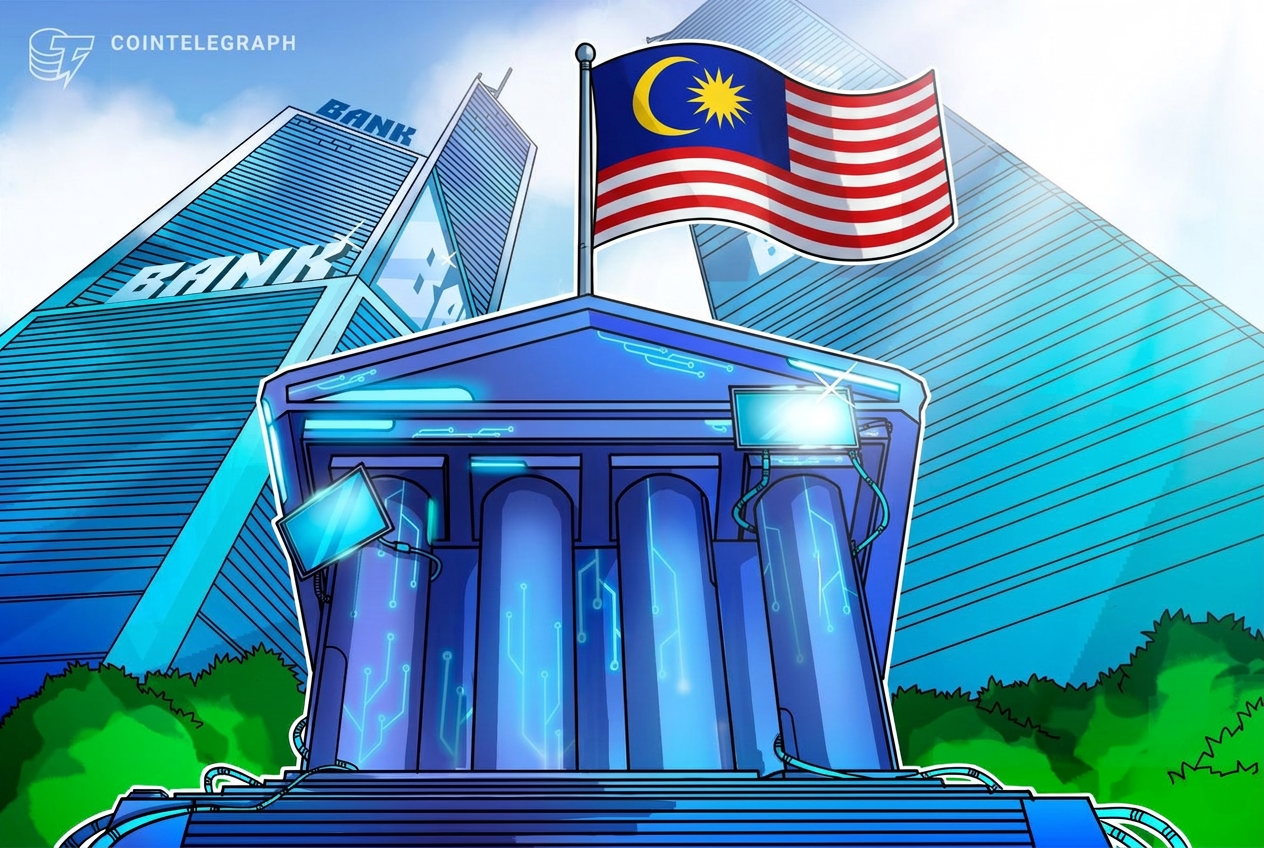
Malaysia has become the first Southeast Asian nation to connect a tokenized securities platform directly to its central bank’s real-time gross settlement system, marking a significant step in merging blockchain-based asset recording with traditional monetary infrastructure.
The platform, developed by the Securities Commission Malaysia and Bursa Malaysia, records ownership and transfers of tokenized securities while settling corresponding cash payments through RENTAS+, Bank Negara Malaysia’s high-value payment system. This means token holders receive settlement finality in central bank money — the same guarantee available for conventional securities trades.
Industry observers say the integration solves a persistent friction in digital asset markets: the disconnect between on-chain asset registers and off-chain payment rails. Until now, most tokenized securities pilots globally have relied on commercial bank money or stablecoins for cash settlement, introducing counterparty risk and settlement delays.


“This effectively brings the safety of central bank settlement to distributed ledger technology,” said a Kuala Lumpur-based fintech consultant who has advised regional regulators on digital asset frameworks. The consultant spoke on condition of anonymity due to ongoing advisory relationships.
RENTAS+ processes an average of RM1.2 trillion daily across roughly 45,000 transactions, according to Bank Negara Malaysia’s 2023 annual report. The system operates on SWIFT ISO 20022 messaging standards, which the tokenized platform adopts for payment instructions.
The Securities Commission Malaysia approved the platform’s regulatory sandbox testing in 2022. Live operations began this quarter with a single corporate bond issuance tokenized on the platform, according to exchange filings. Bursa Malaysia has not disclosed the issuer’s identity or the issue size.
Singapore’s Monetary Authority and the Bank of Thailand have both explored wholesale central bank digital currency projects for cross-border settlement, but neither has linked a domestic tokenized securities register directly to their RTGS systems for domestic issuance.
Legal enforceability of tokenized securities under Malaysian law rests on the Capital Markets and Services Act 2007, amended in 2021 to recognize digital assets. The platform’s smart contracts reference these statutory provisions for ownership transfer finality.
Next steps include expanding to government securities and testing interoperability with Project Dunbar, the multi-central bank digital currency platform involving Malaysia, Singapore, Australia, and South Africa.