Hotel Scent Lawsuits Target Chains Over ADA Violations
Class actions argue synthetic lobby fragrances violate the ADA, targeting Marriott, Hyatt and Hilton over undisclosed airborne chemicals.
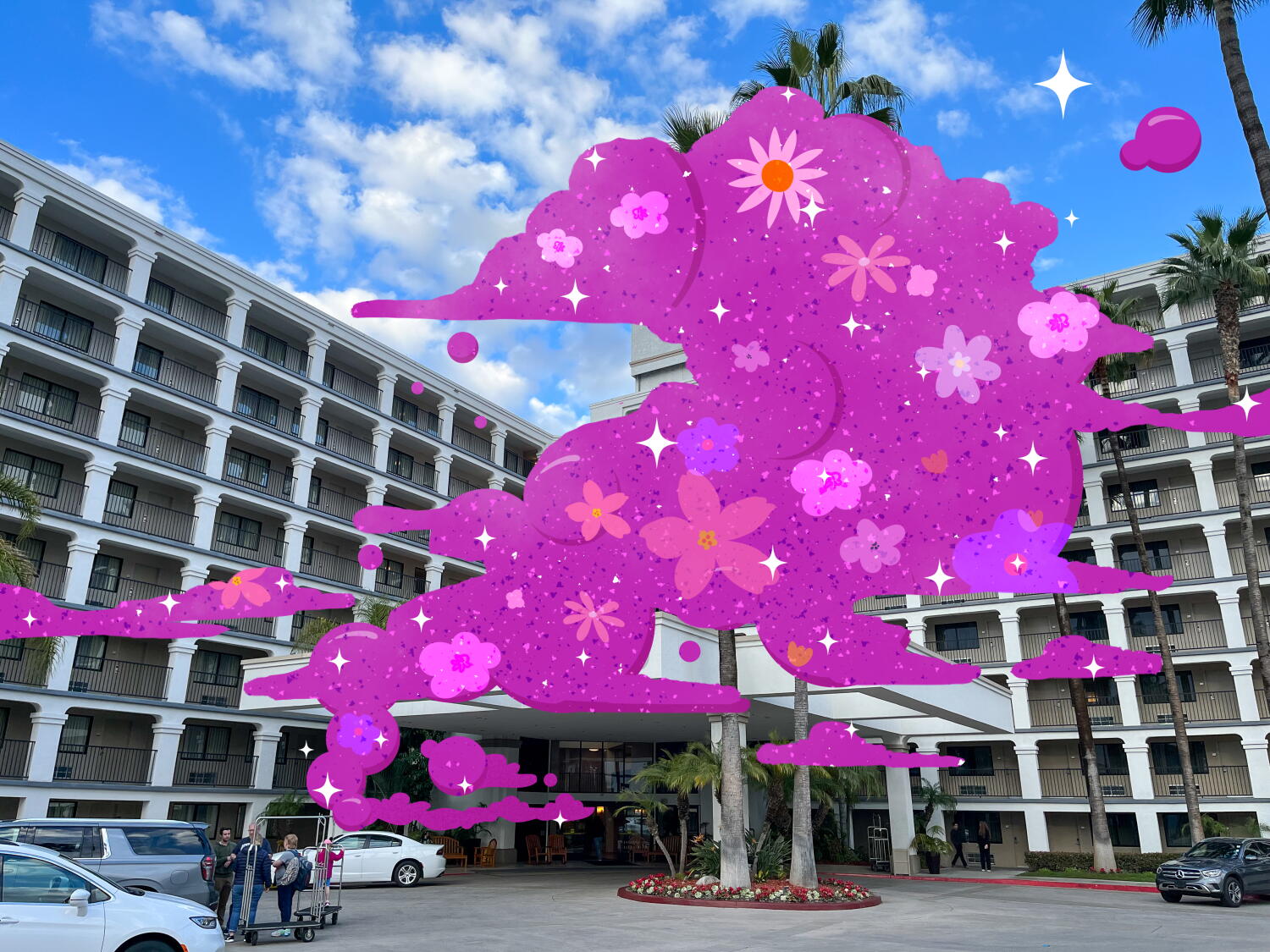
A California law firm is testing whether the ambient fragrances pumped through hotel lobbies and hallways constitute illegal discrimination under federal disability law, launching a wave of class-action litigation against major hospitality brands.
Oakland-based Cole & Van Note began filing suits in May and June on behalf of guests with chemical sensitivities. The complaints target Marriott International Inc., Hyatt Hotels Corp., Hilton, Intercontinental Hotels Group and Loews. While the federal case against Marriott was dropped, the firm is refiling claims in state courts and preparing to expand the campaign beyond California in the coming months. The Hyatt litigation remains active in its early stages.
The lawsuits allege that circulating synthetic aromas through HVAC systems and standalone dispersion machines violates the Americans With Disabilities Act and California’s Unruh Civil Rights Act. Attorney Scott Cole contends these practices effectively bar vulnerable individuals from accessing public accommodations, comparing the exposure to secondhand smoke.


Hotels have transformed scent diffusion into a $4.1 billion global industry. Suppliers like North Carolina-based Scentair — whose technology traces back to a 1994 Disney Imagineering concept for theme park attractions — and Australia-based Air Aroma engineer bespoke olfactory identities for properties worldwide. Air Aroma developed specific profiles for Hilton’s Waldorf Astoria Beverly Hills, DoubleTree locations and the Starling Atlanta Midtown. Marriott monetizes the strategy directly, retailing candles and diffusers replicating the signature scents of Ritz-Carlton, St. Regis, Westin, Sheraton, Courtyard and even its budget-tier Fairfield brand.
This commercial infrastructure operates within a regulatory blind spot. Under U.S. law, fragrance formulations are frequently shielded as trade secrets, exempting them from mandatory ingredient disclosure. Alexander M. Spokoyny, chair of UCLA’s Department of Chemistry and Biochemistry, noted that because aerosolized scents fall outside the Food and Drug Administration’s primary jurisdiction, the regulatory framework governing what hotels pump into shared airspaces remains remarkably loose. The Switzerland-based International Fragrance Association sets voluntary guidelines for suppliers, but lacks enforcement authority over how properties deploy those products in public spaces.
Cole’s filings cite data asserting that 26.8% of adults experience asthma or asthma-like conditions and 27.5% report chemical sensitivity. The complaints argue that volatile organic compounds emitted by scent machines can trigger respiratory distress, migraines, skin irritation and cardiovascular issues.
Hospitality researchers note that while using aroma to influence consumer behavior dates back centuries, modern HVAC integration makes avoidance nearly impossible once a guest enters a building. Juliana R. V. Tkatch, an assistant professor at UNLV’s Harrah College of Hospitality, said advanced dispersion technology strengthens brand loyalty but argued properties should disclose their scent programs before arrival.
Some operators already accommodate sensitive travelers upon request, preparing unscented rooms if notified in advance. Boutique chains like Laguna Beach-based Soul Community Planet Hotels bypass synthetics entirely, relying on plant-based essential oil diffusers.
The American Hotel & Lodging Association has not commented on the active litigation. Its website previously characterized ADA enforcement as a tool exploited by attorneys seeking settlements over ambiguous violations. The California Hotel & Lodging Assn. stated its members continuously review accessibility best practices. Representatives for the targeted hotel chains did not respond to inquiries.
Cole confirmed his firm expects to file additional fragrance-related lawsuits targeting hotels outside California in the coming months.