Ford Recalls 41,748 Trucks and SUVs Over Contaminated LED Headlight Chips
Contaminated semiconductor chips can disable low beams, high beams, and daytime running lights across five Ford Super Duty and Expedition model years.
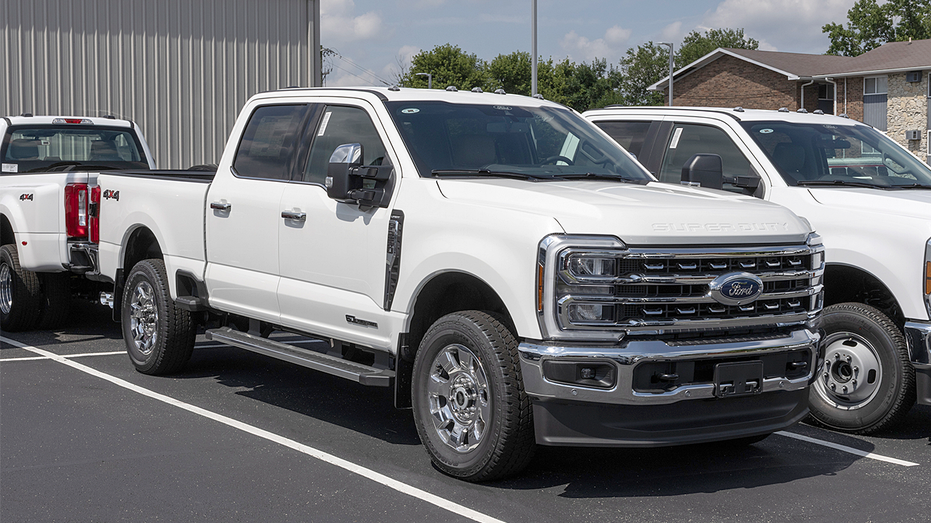
A contaminated semiconductor component inside the headlight assemblies of more than 41,000 Ford trucks and SUVs could cause total failure of critical exterior lighting functions, prompting a new safety recall from the automaker.
The National Highway Traffic Safety Administration disclosed that the defect centers on an LED chip capable of disabling daytime running lights, parking lights, low beams, or high beams without warning. The failure mode affects both forward illumination for the driver and the vehicle’s visibility to oncoming traffic, elevating crash risk during nighttime driving and poor weather conditions.
Unlike typical automotive recalls driven by software glitches or mechanical wear, this campaign traces back to a hardware contamination issue within the solid-state lighting components. Modern vehicles rely heavily on LED arrays rather than traditional halogen bulbs because they consume less power and last longer under normal conditions. However, when a contaminant compromises the semiconductor die inside an LED package, the entire circuit can fail prematurely. Because contemporary headlight assemblies integrate multiple lighting functions — high beams, low beams, and daytime running lights — into single sealed units sharing common circuitry, one defective chip can take down several systems simultaneously.

The recall spans five nameplates across Ford’s heavy-duty truck and full-size SUV lineup: the 2025 through 2027 Expedition, along with the 2026 F-250 Super Duty, F-350 Super Duty, F-450 Super Duty, and F-550 Super Duty. In total, 41,748 vehicles are covered.
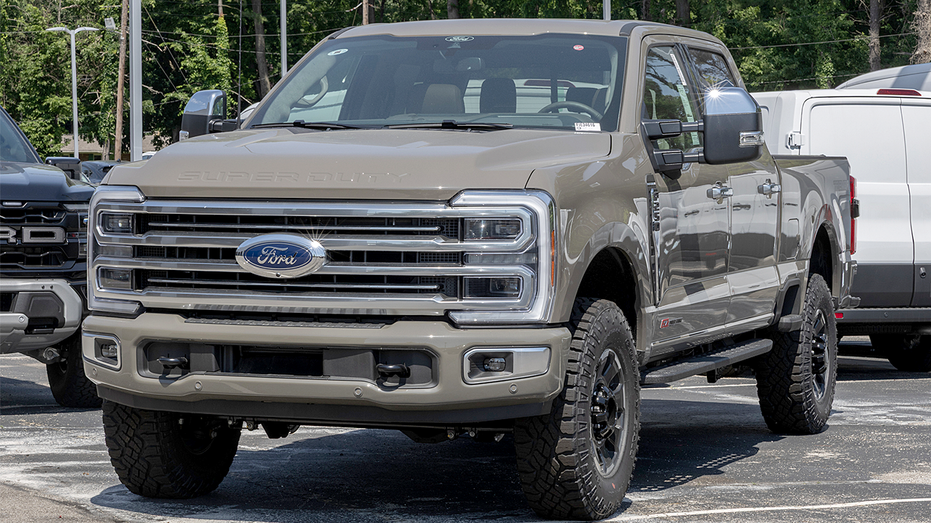
The Super Duty models represent Ford’s commercial-grade work trucks, frequently used for towing, construction, and fleet operations where reliable lighting is essential for jobsite safety and highway travel. The inclusion of the 2027 Expedition indicates the defect was identified early enough in the production cycle to affect upcoming model-year inventory before those vehicles reach widespread consumer use.
Federal motor vehicle safety standards mandate strict minimum performance requirements for all exterior lighting. Under FMVSS 108, manufacturers must ensure headlights provide adequate road illumination without blinding other drivers, while daytime running lights serve as a proven countermeasure against multi-vehicle collisions. A sudden loss of these systems violates those baseline safety thresholds.
Drivers operating affected vehicles will not be left entirely unaware of the malfunction. According to NHTSA documentation, the instrument cluster will trigger a dashboard indicator light if the low beam or high beam headlamps become inoperative. Owners who see this warning should avoid driving at night or in low-visibility conditions until the repair is completed.
This headlight recall arrives amid a period of intense quality scrutiny for the Dearborn-based automaker. Ford has issued a rapid succession of safety campaigns over the past year covering vastly different systems. Recent actions include a recall of approximately 11,000 pickup trucks addressing blank instrument screens and rearview camera failures, as well as a separate campaign involving more than 223,000 vehicles linked to fuel tank defects. The frequency of these actions reflects broader industry challenges as manufacturers integrate increasingly complex electronics into vehicle architectures while attempting to accelerate production timelines.
Authorized dealerships will inspect the headlight assemblies and replace any units containing the compromised LED chips free of charge. Physical notification letters are scheduled to mail to registered owners beginning Oct. 26.