In-N-Out Delivery Black Market Thrives on Facebook, Airtasker
Couriers are charging up to $225 and crossing international borders to fulfill orders the fast-food chain refuses to digitize.
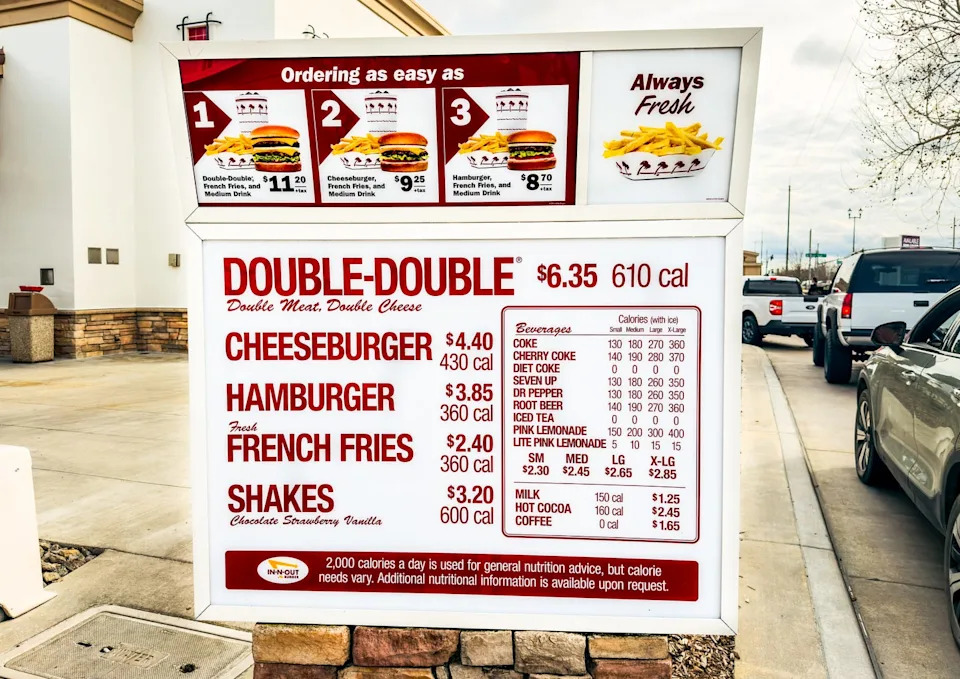
Customers are paying up to $225 for freelance couriers to smuggle In-N-Out burgers across state lines and international borders, exposing the extreme lengths consumers will go when a major fast-food chain refuses to participate in the modern delivery economy.
The unauthorized courier network operates primarily through Facebook Marketplace and Airtasker, a gig-economy platform where users post tasks and set their own budgets. Airtasker now hosts a dedicated page specifically for In-N-Out deliveries, formalizing what began as informal neighborhood favors into a structured secondary market. Payments typically flow through peer-to-peer services like Zelle or Cash App rather than integrated checkout systems.
Irvine, California-based In-N-Out Burger has never partnered with DoorDash, Uber Eats, Grubhub, or any third-party logistics provider since its founding in 1948. The privately held company, currently led by President Lynsi Snyder, maintains strict control over how its food reaches customers. Corporate policy dictates that burgers and fries degrade too quickly during transit to meet internal quality standards, a position the company has defended even as competitors like Shake Shack and Five Guys embraced app-based delivery to capture pandemic-era demand.


That refusal created an immediate arbitrage opportunity. Listings show routine local delivery fees ranging from $10 to $50, but outlier requests reveal a much deeper obsession. One Santa Clara, California, customer offered $225 for two Animal Style cheeseburgers with grilled onions and two orders of Animal Fries. Another listing sought a courier willing to pick up an order in Arizona and drive it approximately 370 miles south to Hermosillo, Mexico, for $200, plus separate reimbursement for gas and insulated packaging.
The black market extends beyond personal cravings into event catering. Couriers have been hired to deliver orders directly to wedding after-parties at nearby restaurants, bypassing traditional catering contracts entirely.
Operating outside regulated delivery platforms introduces significant consumer risk. Unlike transactions processed through DoorDash or Uber Eats, which offer built-in refund mechanisms, GPS tracking, and customer support channels, these freelance arrangements carry no purchase protection. Customers who transfer funds via Cash App or Zelle before receiving their food have limited options if the courier disappears, a vulnerability already resulting in documented cases of buyers paying for orders that never arrived.
Airtasker’s model differs slightly from direct Facebook solicitations, as the platform holds funds in escrow until the task is marked complete, providing a marginal layer of security. However, neither platform regulates food handling temperatures or sanitary transport conditions, leaving customers to trust that a stranger driving hundreds of miles with a cooler is maintaining safe practices.
The phenomenon mirrors historical workarounds for other geographically restricted foods. Before expanding nationally, Texas-based Whataburger and East Coast staples like Wawa generated similar unofficial courier networks among relocated residents. Yet few chains command the premium pricing seen here, largely because In-N-Out operates roughly 400 locations strictly concentrated in California, Nevada, Arizona, Utah, Texas, Oregon, Idaho, and Colorado.
Despite repeated pressure from investors and industry analysts to expand its digital footprint, the Snyder family trust has shown no indication of altering its distribution strategy. The company continues to open new physical locations at a measured pace, prioritizing supply chain control over rapid geographic expansion.
As of late 2026, In-N-Out remains one of the only major U.S. burger chains without any official digital ordering or delivery infrastructure.