FlyDubai Stabbing Exposes Gaps in Airline Insider Threat Screening
Experts call for continuous psychological vetting and expanded insider threat monitoring after midair stabbing reveals systemic aviation security gaps
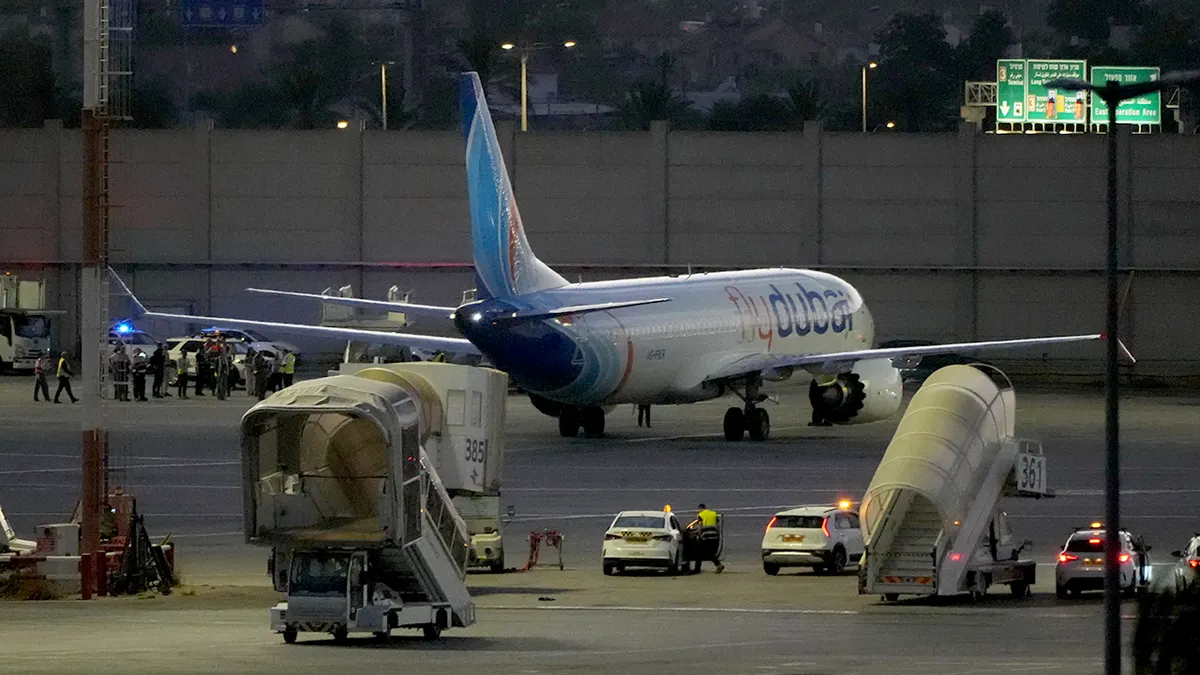
The violent midair assault on Flydubai Flight 1073 has triggered an urgent reassessment of how airlines vet and monitor flight crews, with experts warning that current screening protocols fail to address the growing risk of insider threats driven by geopolitical radicalization. While the safe emergency landing in Saudi Arabia on Sept. 30, 2026, is being credited to the extraordinary resilience of Capt. Smit Machchhar and off-duty crew members, aviation security specialists say the incident reveals systemic vulnerabilities in detecting psychological distress and extremist ideology among licensed pilots.
Hamam al-Hammami, the 29-year-old Omani national identified as the alleged attacker, was a qualified first officer who had passed standard pre-employment background checks. Yet investigators and political leaders are now examining whether those vetting processes were sufficient to identify potential radicalization or mental health deterioration. Israeli Prime Minister Benjamin Netanyahu stated the copilot had been subjected to “Islamist radical indoctrination,” while U.S. President Donald Trump suggested possible links to Iran’s Islamic Revolutionary Guard Corps. These allegations, if confirmed, would represent a significant failure of existing aviation security layers designed specifically to prevent hostile actors from accessing the cockpit.
Eliran Almog, a former Israeli Air Force pilot and CEO of an aviation cybersecurity firm, emphasized that technical proficiency alone is no longer an adequate metric for pilot suitability. The industry’s traditional focus on cognitive skills and flight hours must be balanced with continuous psychological evaluation and monitoring for ideological extremism, he said. Unlike initial hiring screenings, which are static snapshots, modern threat environments require dynamic oversight capable of identifying changes in behavior, personal crises, or exposure to extremist content long after a pilot receives their wings.


The physical toll of the attack underscores why such preventive measures are critical. After al-Hammami allegedly stabbed Capt. Machchhar, the Boeing 737 MAX descended more than 14,000 feet in approximately 30 seconds. The extreme g-forces generated during the uncontrolled dive could have caused structural failure, and the aircraft sustained tail damage before the off-duty crew regained control. Almog noted that landing a damaged, unfamiliar commercial jet under such conditions exceeds standard training parameters, making the successful recovery statistically improbable without exceptional individual performance and luck.
This incident occurs against a backdrop of escalating operational risks tied to Middle East conflicts. Airlines now rank geopolitical instability as a top safety concern, alongside traditional mechanical and weather hazards. GPS spoofing and jamming have become routine in conflict zones, complicating navigation and increasing crew workload. When combined with the potential for politically motivated insider attacks, these factors create a compound risk profile that legacy safety management systems were not designed to handle.
Security experts warn that limiting enhanced screening to pilots ignores other vectors of insider threat. Maintenance personnel, cabin crew, ground handlers, and fuel technicians all possess access points that could compromise flight safety. Industry data indicates that over 80% of cybersecurity incidents in aviation originate from insiders, many of whom do not act with malicious intent but rather through compromised judgment, coercion, or undetected psychological issues. A comprehensive safety framework must therefore extend continuous vetting across the entire operational workforce, not just the flight deck.
Regulatory bodies face pressure to update standards that currently vary significantly by jurisdiction. While some nations mandate recurrent psychological assessments, others rely primarily on self-reporting or infrequent medical exams. The absence of harmonized international requirements creates gaps that can be exploited by individuals seeking to evade detection. Aviation security consultants are calling for governments to establish baseline standards for continuous behavioral monitoring and to integrate open-source intelligence into routine vetting processes.
Capt. Machchhar, despite sustaining serious stab wounds, managed to unlock the cockpit door to allow passengers to intervene before losing consciousness. His actions enabled two other FlyDubai pilots traveling as passengers to enter the flight deck and execute the emergency landing. Indian Prime Minister Narendra Modi personally commended Machchhar’s courage during a phone call on Oct. 2, highlighting the human element that ultimately prevented catastrophe when procedural safeguards failed.
Multiple investigations are now underway in Israel, Saudi Arabia, and the United Arab Emirates to determine al-Hammami’s motives, affiliations, and the timeline of any radicalization. Forensic analysis of his digital footprint, financial records, and communications is expected to clarify whether this was an isolated act of violence or part of a coordinated plot. The findings will likely inform new regulatory proposals aimed at closing the gap between current vetting practices and the evolving threat landscape facing commercial aviation.