Flydubai Hijack Probe: Pilot Grounded for Extremism Before Attack
Suspect was previously banned from flying over radical website visits before fatal cockpit assault
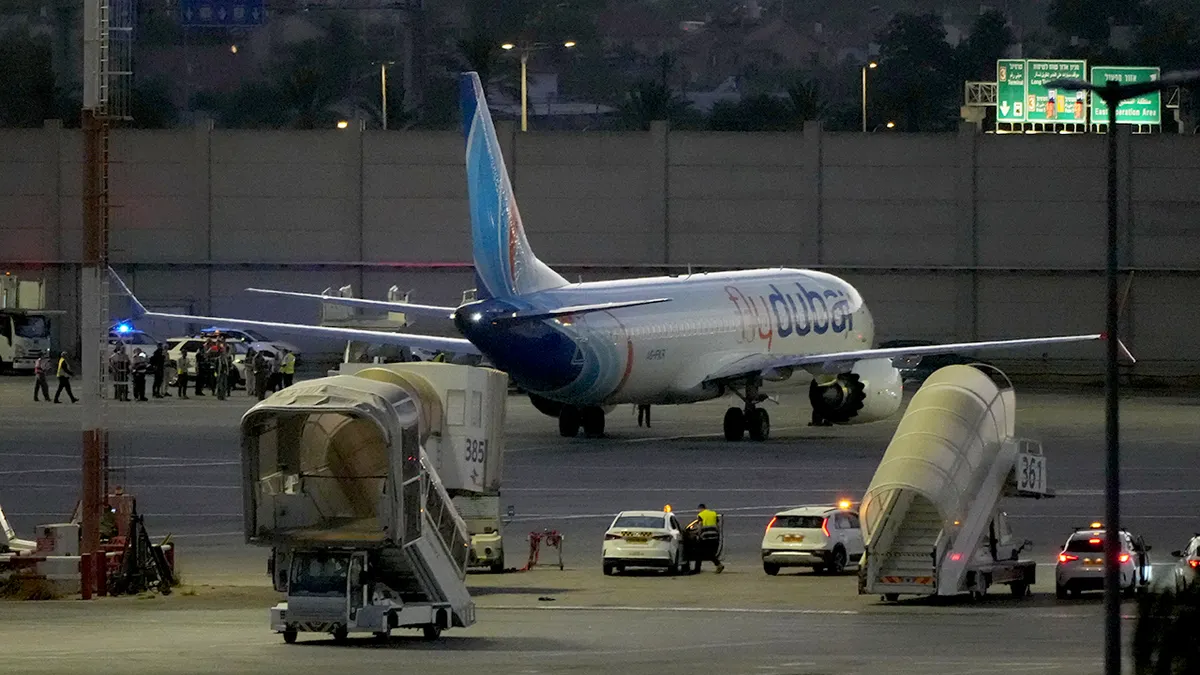
Investigators examining the mid-air attack on Flydubai Flight 1073 are focusing on a critical vetting lapse after reports emerged that the suspect co-pilot had been previously grounded by Oman Air for visiting radical Islamic websites. The revelation suggests the alleged hijacking attempt was not an isolated mental health crisis but a potential security failure involving known extremist indicators that were not communicated between carriers.
The Omani national, whose identity remains withheld pending formal charges, was reportedly banned from flying in 2024 after his former employer discovered his online activity. Despite this disciplinary history, he was subsequently hired by Dubai-based Flydubai without the airline apparently consulting Oman Air regarding his background. Sources indicate the pilot had spent significant time outside Oman, including periods with his Syrian mother, adding complexity to his biographical screening.
Israeli Prime Minister Benjamin Netanyahu has officially characterized the incident as terrorism driven by “Islamic radicalization,” asserting the co-pilot intended to crash the aircraft carrying Israeli passengers. This designation shifts the investigative framework from standard aviation accident protocols to counterterrorism and intelligence coordination. Israeli authorities are currently working to determine whether the suspect acted as a lone wolf or received external logistical or ideological support.


The physical sequence of events aboard the Boeing 737 underscores the severity of the threat. After allegedly stabbing Captain Smit Machchhar inside the cockpit, the co-pilot forced the jet into a steep descent that risked structural failure. Two reserve pilots traveling as passengers managed to enter the flight deck and regain control, while crew members and passengers restrained the attacker. The captain’s decision to unlock the cockpit door during the struggle proved decisive, allowing the intervention that enabled an emergency landing in Saudi Arabia.
This incident has exposed vulnerabilities in regional pilot screening standards, particularly for airlines serving high-risk destinations like Tel Aviv. While international civil aviation regulations mandate background checks, there is no centralized global database sharing specific disciplinary records related to ideological extremism between national carriers and foreign low-cost operators. The lack of interoperability between Oman and UAE aviation oversight bodies appears to have created a blind spot that allowed a previously flagged individual to return to the cockpit.
Former Israeli National Security Council chief Eyal Hulata noted that the tactical response by the crew prevented mass casualties, but analysts warn the case represents a systemic warning for Gulf carriers operating routes to Israel. The intersection of open borders for aviation labor and fragmented security intelligence creates persistent risks in a region where geopolitical tensions frequently target civil aviation.
Flydubai has suspended all services between Dubai and Tel Aviv as the United Arab Emirates leads the official inquiry. UAE officials have declined to comment on the suspect’s prior employment record to avoid prejudicing the investigation, though the probe is expected to scrutinize information-sharing protocols between Gulf Cooperation Council member states.