FlyDubai Co-Pilot Used Crash Axe in Tel Aviv Flight Attack
Suspect was previously grounded by Oman Air in 2024 over extremism concerns before being hired without a background check.
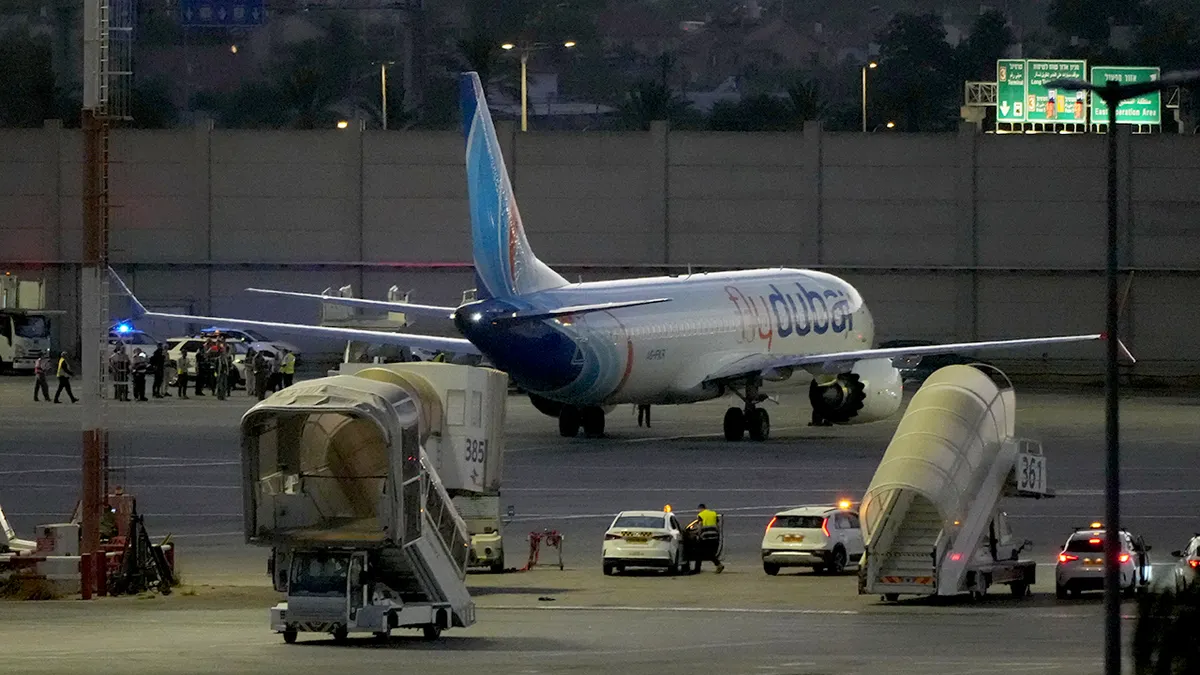
A 29-year-old Omani co-pilot allegedly struck the captain of a Tel Aviv-bound FlyDubai aircraft with a cockpit crash axe earlier this week, sending the plane into a sudden plunge before passengers physically intervened to regain control. The United Arab Emirates, which is leading the investigation into Flight 1073, confirmed that the attacker incapacitated Capt. Smit Machchhar during the assault.
The suspect has been identified as Hamam al-Hammami. Investigators are currently working to determine whether he acted alone or maintained ties to organized extremist networks, according to a Gulf diplomat briefed on the inquiry. Israeli Prime Minister Benjamin Netanyahu characterized the incident on Friday as an act of terrorism driven by “Islamic radicalization,” stating that al-Hammami intended to crash the aircraft with its passengers on board.
Al-Hammami’s employment at the Dubai-based carrier raises immediate questions about aviation vetting protocols across the Gulf region. He was reportedly barred from flying with Oman Air, his home country’s national carrier, in 2024 over concerns regarding extremist views. Following that restriction, authorities believe he relocated to Dubai later that year. Middle Eastern sources indicate that FlyDubai did not consult Oman Air regarding al-Hammami’s background before bringing him onto its flight roster.


This gap points to a broader vulnerability in regional pilot hiring practices. Unlike the United States, where the Federal Aviation Administration maintains centralized databases and the Pilot Records Improvement Act mandates thorough historical checks, cross-border credential verification among Gulf carriers often relies on bilateral cooperation rather than a unified regulatory framework. When pilots move between airlines in different jurisdictions—particularly within the UAE and Oman—previous disciplinary actions or security flags do not automatically transfer unless specifically requested.
Cockpit crash axes are standard emergency equipment required on commercial aircraft under international aviation regulations. Designed to chop through fuselage panels or clear debris after an accident, they are typically stored in secured but accessible brackets inside the flight deck. Their presence makes them one of the few heavy, sharp tools available inside a locked cockpit, a reality that aviation security experts have long flagged as a potential risk if a crew member becomes hostile.
Al-Hammami spent a significant portion of his life outside Oman, including time living with his mother, who is Syrian. The demographic detail places his background within the complex transnational movement patterns common among Gulf aviation workers, where dual-heritage nationals frequently transition between countries for employment.

The emergency landing took place in Saudi Arabia, a notable development given the historically restricted airspace agreements between the kingdom and Israel. Saudi Arabia opened its airspace to Israeli flights in 2022, making diversions to Saudi airports for Tel Aviv-bound flights operationally possible but still highly unusual in practice. The aircraft eventually arrived at Ben Gurion International Airport near Tel Aviv on Wednesday, Sept. 30, 2026.
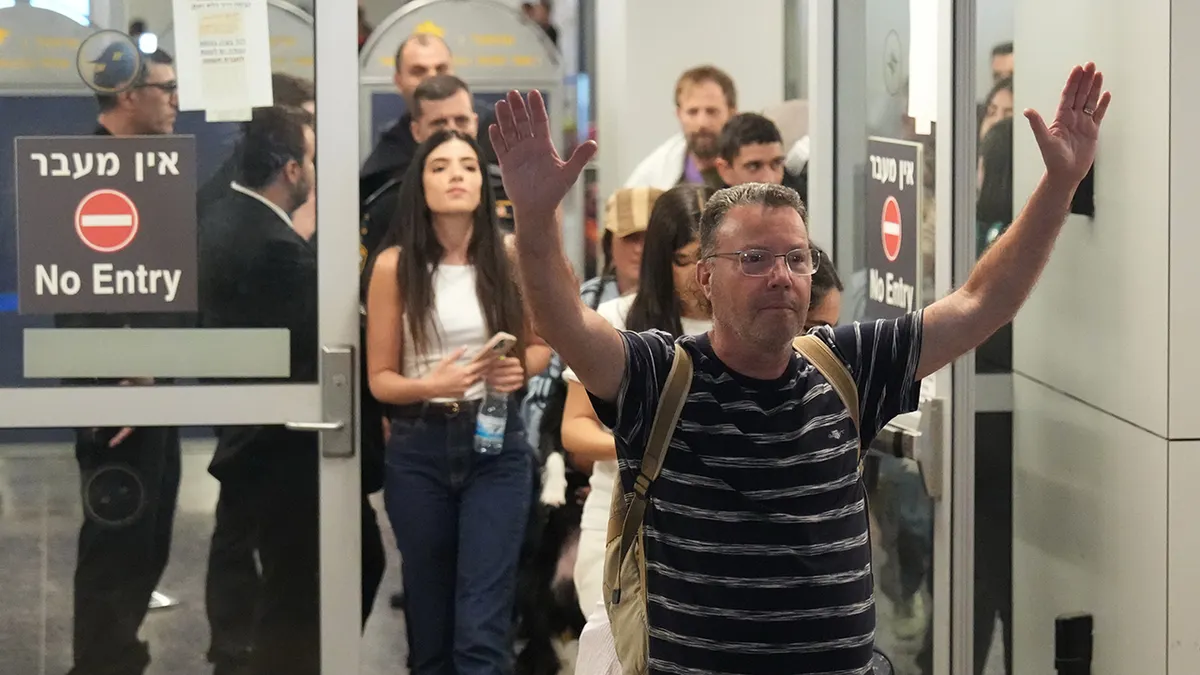
UAE authorities continue to hold al-Hammami while forensic and digital evidence from the flight deck is analyzed to establish his precise movements and communications in the days preceding the attack.