

Firefox 157 Overhauls the Browser Interface as Mozilla Expands Built-In Privacy Tools
The latest release overhauls the tab interface, adds hardware AV1 decoding for video calls, and removes Amazon as a default search option.

Mozilla pushed Firefox 157.0 to the release channel on September 29, 2026, delivering the most extensive visual overhaul of the browser in years. The update replaces legacy interface elements with a modernized design system, introduces hardware-accelerated AV1 decoding for video calls, and expands a free built-in VPN that debuted earlier this year.
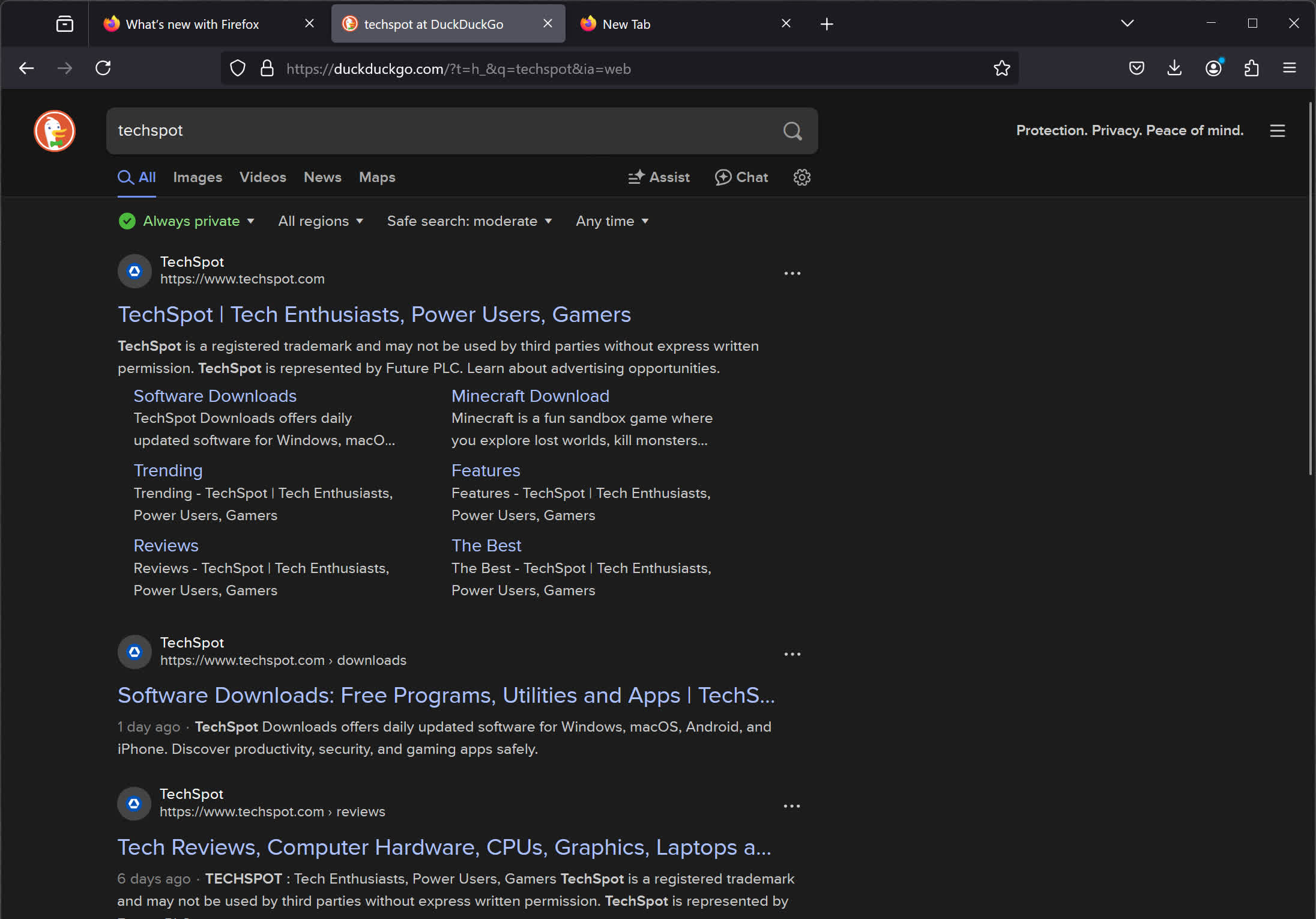
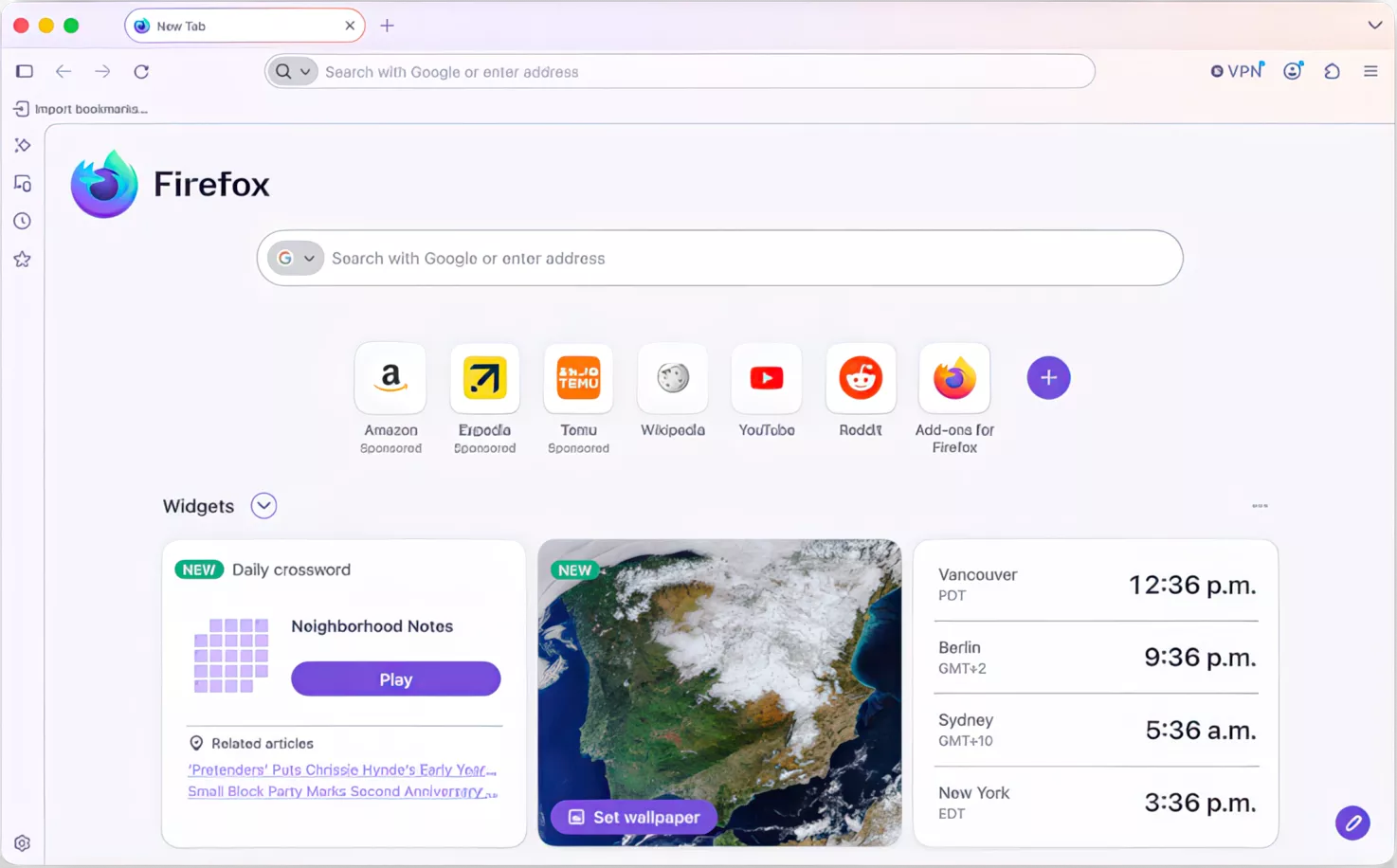
The redesign strips away accumulated interface clutter following months of user-behavior research by Mozilla’s engineering teams. Tabs now feature curved edges and float above the toolbar rather than sitting flush against it, a structural change aimed at making drag-and-drop organization more intuitive for users who routinely keep four or more tabs open simultaneously. A new compact mode reduces spacing around tabs and toolbars to maximize screen real estate, addressing long-standing complaints from laptop users and those working in split-screen environments. Fresh light and dark themes ship directly inside the browser, eliminating the need to download add-ons for basic aesthetic changes.
Underneath the cosmetic updates, Firefox 157 strengthens its technical defenses. WebRTC video calls now leverage hardware AV1 decoding on supported devices instead of relying exclusively on software processing. This shift significantly lowers CPU load during high-definition video conferencing. AV1, developed by the Alliance for Open Media as a royalty-free alternative to H.265, has become increasingly standard across streaming platforms since its introduction, but browser-level hardware support has historically lagged behind dedicated media players.


Mozilla also added a security warning that alerts users if their local Firefox installation has been configured to record encryption keys. Such configurations can allow third-party software on a machine to intercept and read encrypted web traffic, a vulnerability vector often exploited by enterprise monitoring tools or malware. The alert surfaces in both the site information shield panel and the main settings menu.

This release follows a rapid cadence of privacy-focused additions throughout 2026. In March, Mozilla introduced a free built-in VPN offering 50 GB of monthly data routed through secure proxies, initially rolling out in the United States, United Kingdom, Germany, and France. Unlike traditional commercial VPNs that require separate subscriptions and route all device traffic, this integration operates specifically within the browser and allows users to toggle protection per website. Version 149 also automated the revocation of notification permissions for any domain flagged as malicious by SafeBrowsing, closing a loophole frequently used for phishing and spam distribution.
The address bar suggestion engine, known as Firefox Suggest, expanded into 16 additional European countries in version 157, including Austria, Belgium, Spain, and Sweden. Amazon was simultaneously removed as a default built-in search engine option, though users can manually restore it via custom search settings. This decoupling reflects broader industry friction regarding e-commerce integrations in browsers, though Mozilla remains heavily dependent on search royalties; its agreement to use Google as the default search engine generates approximately $500 million annually, funding the vast majority of the organization’s operations.
Despite sharing market space with dominant competitors, Firefox maintains a distinct architectural position. It runs on its proprietary Quantum engine rather than Chromium, the open-source codebase maintained by Google that powers Chrome, Microsoft Edge, Brave, Vivaldi, and Opera. Being one of the last major non-Chromium browsers gives Mozilla independent control over how web standards are implemented, preventing a single corporate entity from dictating the evolution of web technologies.
Performance comparisons between Firefox and Chromium-based browsers remain fluid due to bi-weekly update cycles. While Firefox is widely recognized for aggressive tracker blocking—having intercepted over 6 trillion tracking cookies, fingerprinters, and cryptominers since Enhanced Tracking Protection launched—memory consumption advantages frequently trade hands depending on the specific release and operating system. Mozilla collects telemetry data to optimize these performance metrics, though users retain granular control to disable data sharing entirely within the Privacy & Security settings.
Version 157 resolves several persistent rendering bugs that affected media playback. High dynamic range videos encoded in 8-bit color formats no longer display with washed-out gray tones on Windows machines. Audio and video synchronization issues triggered by repeatedly altering playback speed on sites like YouTube have been patched. The update also corrects an orientation glitch where footage streamed from mobile devices via WebRTC appeared sideways or inverted.
Interface regressions addressed in this build include the Vertical Tabs sidebar failing to reappear when the cursor hit the screen edge in full-screen mode, and the Windows taskbar overlapping fullscreen video playback. Navigation behavior received minor adjustments: pressing the Tab key now moves focus directly to the address bar text field, bypassing the search engine button, which remains accessible via Shift+Tab.
The updated sidebar architecture introduced in version 157 is now enabled globally for all users. Those preferring the legacy layout can revert by toggling `sidebar.revamp` to false in the advanced `about:config` menu, a workaround Mozilla confirmed will remain functional until the end of 2027. Native dialog boxes for alerts, date pickers, and form autocomplete now automatically inherit the active webpage’s light or dark color scheme, aligning browser chrome behavior with modern CSS media query standards.
Firefox 157.0 is currently available for manual download across Windows, macOS, and Linux, with automatic background updates deploying progressively to the existing install base over the coming days.









